Pierre-Auguste Renoir was born on February 25, 1841, in Limoges, France, into a working-class family. His father was a tailor, and his mother was a dressmaker, which meant that Renoir was exposed to the world of textiles and colours from a young age. This early exposure would later influence his artistic sensibilities. When he was four years old, the family moved to Paris, where Renoir’s artistic journey truly began. The vibrant atmosphere of the city, with its burgeoning art scene, provided a fertile ground for his burgeoning talent. As a child, he showed an aptitude for drawing, and his parents encouraged him to pursue this passion.
Renoir’s formal education in art began when he enrolled at the École des Beaux-Arts in Paris. However, he found the rigid academic style of teaching stifling and sought alternative avenues to develop his skills. He became an apprentice to a porcelain painter, where he honed his ability to capture colour and light. This experience was pivotal in shaping his artistic vision. Renoir also frequented the Louvre, where he studied the works of the Old Masters, absorbing their techniques and philosophies. His early life experiences and education laid the groundwork for his later contributions to the Impressionist movement.
For those interested in further exploring the artistic context surrounding Auguste Renoir, a fascinating article titled “Exploring Cultural Colour Symbolism: Global Perspectives” delves into the significance of colour in art across different cultures. This piece provides valuable insights that can enhance one’s understanding of Renoir’s use of colour and its emotional resonance in his works. You can read the article here: Exploring Cultural Colour Symbolism: Global Perspectives.
Impressionist Movement and Influence
Renoir is often celebrated as one of the leading figures of the Impressionist movement, which emerged in the late 19th century as a radical departure from traditional artistic conventions. The Impressionists sought to capture the fleeting effects of light and atmosphere in their work, often painting en plein air (outdoors) to achieve this goal. Renoir’s involvement with this movement began in earnest during the 1860s when he joined a group of like-minded artists, including Claude Monet, Edgar Degas, and Camille Pissarro. Together, they challenged the established norms of academic painting by focusing on everyday subjects and employing loose brushwork.
The influence of Impressionism on Renoir’s work is evident in his use of vibrant colours and innovative compositions. He embraced the idea of capturing a moment in time, often depicting scenes of leisure and social interaction. His paintings reflect a deep appreciation for the beauty of life and the human experience. The Impressionist movement not only transformed Renoir’s artistic style but also had a profound impact on the broader art world, paving the way for modern art movements that followed.
Style and Techniques
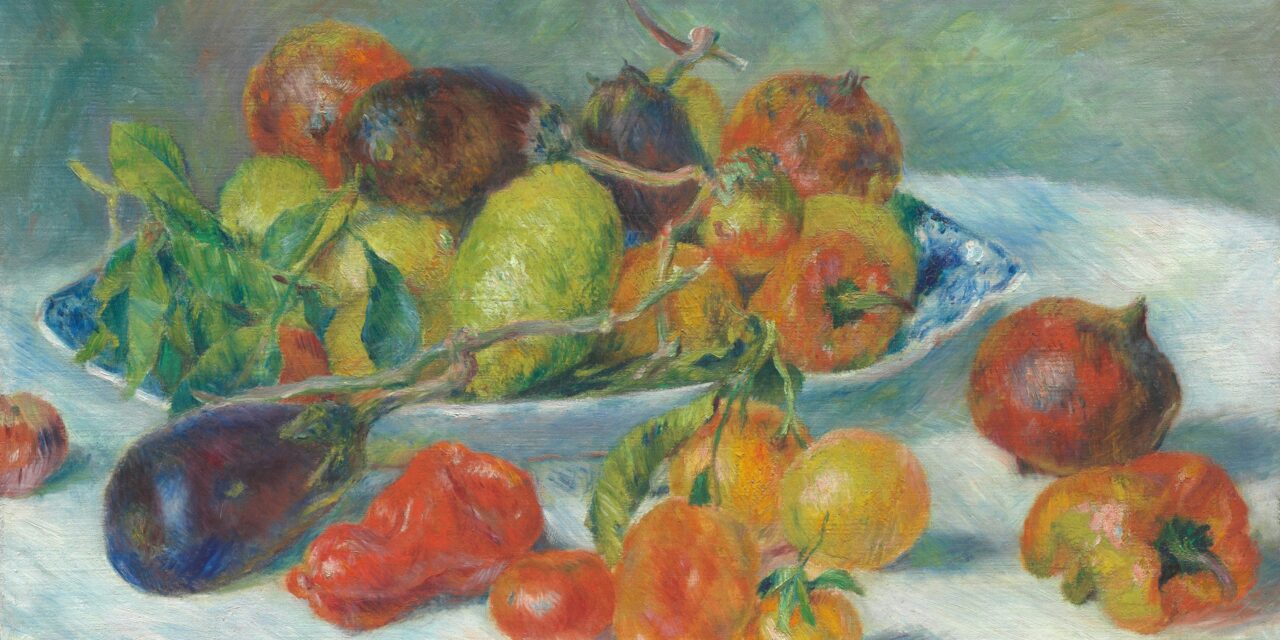
Renoir’s style is characterised by its warmth and vibrancy, often infused with a sense of joy and celebration. He employed a technique known as “broken colour,” where he applied small strokes of pure colour side by side rather than blending them on the palette. This method allowed him to create a sense of luminosity and movement in his paintings. His brushwork was fluid and spontaneous, capturing the essence of his subjects with an almost tactile quality. Renoir’s ability to depict light and shadow was unparalleled; he often used dappled light to create depth and dimension in his works.
In addition to his innovative use of colour and brushwork, Renoir had a unique approach to composition. He frequently employed a diagonal arrangement that drew the viewer’s eye into the painting, creating a dynamic sense of movement. His subjects ranged from intimate portraits to lively scenes of social gatherings, all imbued with a sense of warmth and humanity. Renoir’s ability to convey emotion through his art set him apart from many of his contemporaries, making his work resonate with audiences on a profound level.
Famous Works and Masterpieces
Among Renoir’s most celebrated works is “Luncheon of the Boating Party” (1880-1881), which exemplifies his mastery of light and colour. This painting captures a group of friends enjoying a leisurely afternoon on a terrace overlooking the Seine River. The vibrant hues and lively expressions of the figures convey a sense of joy and camaraderie that is quintessentially Renoir. Another iconic piece is “Dance at Le Moulin de la Galette” (1876), which depicts a bustling outdoor dance hall filled with elegantly dressed patrons. The interplay of light filtering through the trees creates an enchanting atmosphere that draws viewers into the scene.
Renoir’s portraits are equally noteworthy, showcasing his ability to capture the essence of his subjects. “Portrait of Madame Georges Charpentier” (1876) is a striking example, where he portrays the sitter with grace and sensitivity. The soft brushwork and warm palette evoke a sense of intimacy that invites viewers to connect with the subject on a personal level. These masterpieces not only highlight Renoir’s technical prowess but also reflect his deep appreciation for beauty in everyday life.
For those interested in exploring the vibrant world of Impressionism further, a related article that delves into the techniques and influences of various artists can be found at this link. It provides a comprehensive overview of the brushwork and canvas techniques that shaped the movement, offering valuable insights that complement the study of Auguste Renoir’s masterpieces.
Personal Life and Relationships
Renoir’s personal life was marked by both triumphs and challenges. He married Aline Charigot in 1890, who became not only his wife but also one of his most frequent models. Their relationship was characterised by mutual support and understanding, allowing Renoir to flourish as an artist while raising their three children together. Aline’s presence in his life provided him with emotional stability, which was crucial during periods of artistic struggle.
Throughout his life, Renoir maintained close friendships with many prominent artists and intellectuals of his time. His relationships with fellow Impressionists were particularly significant; they shared ideas, critiques, and camaraderie that enriched their artistic practices. However, Renoir also faced criticism from some quarters for his departure from traditional techniques, which sometimes strained relationships within the art community. Despite these challenges, he remained steadfast in his commitment to capturing beauty in all its forms.
Health Issues and Later Years
As Renoir entered his later years, he faced significant health challenges that impacted both his personal life and artistic output. In 1897, he began to suffer from rheumatoid arthritis, which caused him considerable pain and limited his mobility. Despite these physical limitations, Renoir continued to paint with remarkable determination. He adapted his techniques to accommodate his condition; for instance, he often painted while seated or used larger brushes to ease strain on his hands.
During this period, Renoir’s work evolved further as he explored new themes and styles. His later paintings exhibit a softer palette and more fluid brushwork compared to his earlier works. He became increasingly interested in capturing the beauty of the human form, often depicting nudes in idyllic settings. This shift in focus allowed him to express a sense of serenity and introspection that resonated deeply with viewers.
Legacy and Impact on Art
Renoir’s legacy is profound; he is regarded as one of the most influential artists in Western art history. His contributions to the Impressionist movement not only transformed how artists approached colour and light but also paved the way for subsequent movements such as Post-Impressionism and Modernism. His emphasis on capturing everyday moments and human emotions resonated with future generations of artists who sought to explore similar themes.
Moreover, Renoir’s work has had a lasting impact on popular culture; his paintings continue to inspire filmmakers, writers, and musicians alike. The themes of joy, beauty, and human connection found in his art transcend time and place, making them relevant even today. Museums around the world celebrate his contributions through exhibitions that showcase both his masterpieces and lesser-known works, ensuring that Renoir’s influence endures for years to come.
Criticism and Controversies
Despite his acclaim, Renoir faced criticism throughout his career, particularly from those who adhered strictly to traditional artistic standards. Some critics dismissed Impressionism as mere “sketching” or “unfinished work,” arguing that it lacked depth and seriousness compared to academic painting. Renoir himself acknowledged these criticisms but remained steadfast in his belief that art should reflect personal experience rather than conform to established norms.
Additionally, some controversies arose regarding Renoir’s portrayal of women in his paintings. Critics have argued that his depictions often idealised femininity, presenting women as objects of beauty rather than fully realised individuals. While some view this as a limitation in his work, others argue that Renoir’s focus on beauty was an expression of admiration rather than objectification. These debates continue to spark discussions about gender representation in art.
Museums and Exhibitions
Renoir’s works are housed in numerous prestigious museums around the world, making them accessible to art lovers everywhere. The Musée d’Orsay in Paris boasts an extensive collection of his paintings, including iconic pieces such as “Luncheon of the Boating Party” and “Dance at Le Moulin de la Galette.” The Art Institute of Chicago also features significant works by Renoir, showcasing both his mastery of colour and composition.
Exhibitions dedicated to Renoir frequently draw large crowds due to the enduring popularity of his work. These exhibitions often explore various aspects of his artistic journey, from early influences to later developments in style. They provide valuable insights into Renoir’s creative process while allowing audiences to engage with his art on a deeper level.
Market Value and Auction Records
Renoir’s paintings command impressive prices at auction, reflecting both their historical significance and enduring appeal among collectors. In recent years, several works have fetched record-breaking sums; for instance, “Les Grands Boulevards” sold for over £10 million at auction in 2014. Such figures underscore not only Renoir’s status as a master artist but also the ongoing demand for Impressionist works in the contemporary art market.
The market for Renoir’s art continues to thrive as collectors seek out both iconic masterpieces and lesser-known pieces that capture different facets of his oeuvre. This sustained interest speaks volumes about the timeless quality of Renoir’s work; it remains relevant not only within academic circles but also among private collectors who appreciate its beauty.
Renoir’s Influence on Modern Art
Renoir’s influence extends far beyond the confines of Impressionism; he has left an indelible mark on modern art movements that followed him. Artists such as Henri Matisse and Pablo Picasso drew inspiration from Renoir’s exploration of colour and form while developing their own unique styles. The emphasis on capturing emotion through colour can be seen in various modernist movements that emerged in the 20th century.
Furthermore, contemporary artists continue to reference Renoir’s techniques and themes in their work today. His ability to convey joy through everyday moments resonates with artists seeking to explore similar narratives within their own practices. As such, Renoir remains not only a pivotal figure in art history but also an enduring source of inspiration for generations of artists striving to capture beauty in their own ways.
In conclusion, Pierre-Auguste Renoir’s life and work encapsulate a journey marked by passion, innovation, and resilience. From his humble beginnings in Limoges to becoming one of the most celebrated figures in art history, Renoir’s contributions have left an indelible mark on both Impressionism and modern art as a whole. His legacy continues to inspire artists today while inviting audiences into a world filled with beauty and emotion—a testament to the enduring power of art itself.
FAQs
Who was Auguste Renoir?
Auguste Renoir was a French artist who was a leading painter in the development of the Impressionist style. He was known for his celebration of beauty and feminine sensuality in his paintings.
What are some famous works by Auguste Renoir?
Some of Auguste Renoir’s most famous works include “Luncheon of the Boating Party,” “Dance at Le Moulin de la Galette,” and “Bal du moulin de la Galette.” These paintings are considered iconic examples of Impressionist art.
What is Impressionism?
Impressionism was an art movement that originated in France in the 19th century. It is characterized by small, thin brushstrokes, an emphasis on light and its changing qualities, and an emphasis on capturing the momentary effect of a scene.
What influenced Auguste Renoir’s art style?
Auguste Renoir was influenced by the works of artists such as Edouard Manet, Camille Pissarro, and Claude Monet. He was also inspired by the works of the old masters, particularly the works of Peter Paul Rubens.
What is Auguste Renoir’s legacy?
Auguste Renoir’s legacy is that of a pioneering Impressionist artist whose work continues to be celebrated for its beauty and influence on subsequent generations of artists. His paintings are highly sought after and are displayed in major museums and collections around the world.