Léon Augustin Lhermitte (1844-1925) remains a fascinating figure in the annals of late 19th and early 20th-century French art. Often somewhat overlooked in the dazzling shadow of Impressionism, Lhermitte carved a powerful niche for himself, becoming a pre-eminent chronicler of rural life and the human condition within that sphere. His dedication to depicting the dignity of labour, the simple grandeur of the countryside, and the enduring spirit of its inhabitants offers a profound and moving counterpoint to the artistic currents of his time. This guide delves into the rich tapestry of Lhermitte’s life and work, exploring the influences that shaped him, the techniques he mastered, and the enduring legacy he left behind.
The Formative Years: From Rural Roots to Artistic Education
Lhermitte’s journey began not in the bustling academies of Paris, but amidst the verdant landscapes of his birthplace, Mont-Saint-Père, a small village in the Aisne region of France. This profound connection to the land and its people would become the bedrock of his artistic sensibility.
Early Life and Influences
Born into a modest farming family, Lhermitte’s early years were steeped in the rhythms of agricultural life. He witnessed firsthand the hard work, communal spirit, and occasional hardships that defined rural existence. This intimate understanding imbued his later works with an authenticity that resonated deeply with audiences. His father, a village schoolmaster, recognised his son’s nascent talent and encouraged his artistic inclinations, a crucial factor in Lhermitte’s pursuit of an artistic career.
Academic Training in Paris
At the age of 19, in 1863, Lhermitte left his rural home for the vibrant artistic hub of Paris. He enrolled at the esteemed École Impériale de Dessin (later known as the École des Beaux-Arts), where he studied under Horace Lecoq de Boisbaudran. Lecoq de Boisbaudran was a renowned educator known for his innovative teaching methods, which emphasised memory drawing and observation rather than strict academic copying. This approach profoundly influenced Lhermitte, fostering a keen eye for detail and a remarkable ability to capture fleeting moments and expressions without relying solely on models. It allowed him to internalise the essence of his subjects, translating them onto canvas with a striking naturalism. During this period, he also encountered artists like Fantin-Latour and Alphonse Legros, who, like him, were drawn to depicting everyday life and often shared similar thematic concerns.
The Appeal of Naturalism and Realism
While the Impressionists were exploring light and fleeting moments, Lhermitte found himself more aligned with the burgeoning Naturalist and Realist movements. These approaches championed the depiction of ordinary life, often focusing on the lives of peasants and labourers, subjects largely ignored by academic art. Artists like Jean-François Millet, whose portrayals of rural life were deeply empathetic and monumental, served as significant precursors and inspirations for Lhermitte. However, while Millet often imbued his figures with a sense of stoic grandeur, Lhermitte’s approach was perhaps more immediate, focusing on the nuances of daily activity and the interplay of light and shadow in ordinary settings. His work, while rooted in realism, often bordered on a quiet spiritualism, finding beauty and profound meaning in the simple act of living and toiling.
For those interested in exploring the artistic contributions of Léon Augustin Lhermitte, a related article that delves into the broader context of beauty in art can be found at Crafting Beauty. This piece examines how various artists, including Lhermitte, have approached the theme of beauty in their works, providing a comprehensive understanding of the aesthetic principles that underpin their creations.
Master of the Medium: Lhermitte’s Artistic Techniques
Lhermitte was a versatile and accomplished artist, adept in various media, each lending itself to a different facet of his artistic expression. His mastery extended beyond mere technical proficiency; it was intertwined with his deeply felt subject matter.
Oil Painting: Capturing the Substance of Life
Lhermitte’s oil paintings are perhaps his most celebrated works. He possessed a remarkable ability to render textures – the rough weave of peasant clothing, the worn wood of farm tools, the rich earth of a ploughed field – with a palpable sense of reality. His palette, though often subdued, was infused with a nuanced understanding of natural light. He frequently employed a muted tonal range, allowing the interplay of light and shadow to define forms and create a sense of depth and atmosphere. His brushstrokes, while often visible, were purposeful, building up layers to create a sense of luminosity and solidity. He excelled at depicting the human form in naturalistic poses, capturing the weight and movement of bodies engaged in labour, conveying both the physical effort and the quiet dignity intrinsic to their tasks.
For those interested in exploring the artistic techniques and influences of Léon Augustin Lhermitte, a related article that delves into the broader context of 19th-century French art can be found at Crafting Visions. This piece provides valuable insights into the movements and artists that shaped the era, enhancing the understanding of Lhermitte’s work and its significance within the art world.
Pastel: Lightness and Luminous Qualities
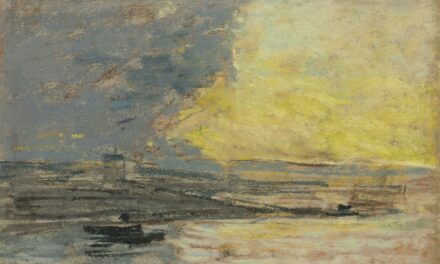
While celebrated for his oils, Lhermitte’s pastel works are equally captivating and showcase a different dimension of his artistic prowess. He embraced pastel for its immediacy and its ability to render light with a unique softness and luminosity. His pastel drawings often served as preparatory studies, allowing him to quickly capture fleeting moments, light effects, and compositional ideas. However, many of his pastels are complete works in their own right, vibrant and evocative. He often exploited the medium’s granular texture to create a delicate shimmer, particularly when depicting sun-drenched fields or the dappled light filtering through trees. These works possess a remarkable freshness and spontaneity, offering intimate glimpses into his perception of nature and human interaction.
Charcoal and Drawing: The Foundation of Form
Lhermitte was a prodigious draughtsman. His charcoal and pencil drawings are powerful testaments to his fundamental understanding of anatomy, form, and composition. These drawings often reveal the underlying structure and dynamic energy of his figures and compositions. He used charcoal to explore tonal variations, from deep, velvety blacks to delicate grays, effectively conveying the solidity of objects and the subtle modelling of faces and drapery. These studies were not merely academic exercises but vital components of his creative process, allowing him to hone his observations and refine his compositions before committing to paint. Many of his drawings are remarkably finished and stand as compelling works in their own right, demonstrating his mastery of line and tone.
Thematic Concerns: A Chronicle of Rural Existence
Lhermitte’s art is characterised by a consistent and deeply felt reverence for rural life and its inhabitants. He meticulously documented the everyday routines, the communal bonds, and the unwavering spirit of the French peasantry.
The Dignity of Labour
Perhaps the most prominent theme in Lhermitte’s oeuvre is the dignity of labour. Unlike some depictions of the working class that could be romanticised or overtly political, Lhermitte’s approach was one of empathetic observation. He portrayed farmers sowing, harvesting, and threshing, washerwomen at their arduous tasks, and families gathering for meals, all with a profound respect for their efforts. He depicted the physical strain and repetitive nature of their work without ever diminishing their inherent worth. His figures are often monumental, even when engaged in humble tasks, conveying a quiet grandeur that elevates their ordinary lives. Works like The Harvesters or The Thresher exemplify this commitment, showcasing the human struggle and resilience against the backdrop of the natural world.
Family and Community Life
Beyond individual labourers, Lhermitte frequently explored the strong bonds of family and community that permeated rural existence. His paintings often depict intergenerational gatherings, shared meals, and moments of communal work, highlighting the interdependence and solidarity of village life. These scenes are imbued with a warmth and intimacy that speaks to the enduring human need for connection. He captures the subtle interactions between family members – a mother comforting her child, siblings working side-by-side, neighbours sharing a moment of respite – allowing viewers to bear witness to the fabric of these close-knit societies.
The Simple Grandeur of the Countryside
The French countryside itself is a prominent character in Lhermitte’s work. His landscapes are rarely mere backdrops; they are integral to the narrative, reflecting the seasons, the time of day, and the mood of the scene. He understood the changing light of the rural environment, rendering it with remarkable sensitivity. From the golden glow of a late afternoon sun illuminating a field to the crisp, cool light of an early morning, Lhermitte’s landscapes evoke a powerful sense of place and atmosphere. He often depicted panoramic views that convey the vastness and serenity of the agricultural landscape, inviting the viewer to contemplate the timeless cycle of nature.
A Legacy Beyond Impressionism
While his Impressionist contemporaries were revolutionising modern art, Lhermitte charted his own course, demonstrating that there was still profound artistic potential in traditional subject matter treated with innovation and empathy.
Critical Acclaim and International Recognition
Lhermitte enjoyed considerable success and critical acclaim during his lifetime, both in France and internationally. He exhibited regularly at the prestigious Paris Salons, where his works garnered numerous awards and medals. His naturalistic approach and dignified portrayal of rural life resonated with a broad audience, including collectors in France, England, and the United States. He was particularly admired in Britain, where he was elected an Honorary Member of the Royal Water-Colour Society. Vincent van Gogh famously championed Lhermitte’s work, declaring him a master and expressing his profound admiration for Lhermitte’s ability to depict “the sublime in human labour.” This endorsement from such an influential figure speaks volumes about the power and authenticity of Lhermitte’s vision.
A Bridge Between Artistic Eras
Lhermitte’s position in art history can be seen as a bridge between the academic realism of the mid-19th century and the emerging challenges of modernity. While rooted in observational truth, his work often possesses an emotional depth and directness that anticipates later developments in art. He retained a connection to traditional draftsmanship and composition while simultaneously embracing a more personal and empathetic approach to his subjects. He demonstrated that depicting the struggles and triumphs of ordinary people, in an unadorned yet deeply felt manner, could be as powerful and relevant as the avant-garde experiments of his time.
Enduring Relevance and Re-evaluation
In recent decades, there has been a significant re-evaluation of artists like Lhermitte, as art historians and the public alike increasingly appreciate the breadth and diversity of late 19th-century art beyond the dominant narratives of Impressionism and Post-Impressionism. His work continues to speak to contemporary audiences, offering a poignant reminder of the dignity of human labour, the enduring solace of nature, and the fundamental importance of community. Lhermitte’s contribution lies not in radical stylistic innovation, but in the profound humanity and unwavering truthfulness with which he rendered his chosen world, making him an enduring and vital voice in the history of French art. His canvases offer a window into a bygone era, yet the emotions they evoke – resilience, hope, and the quiet beauty of everyday life – remain timeless and universal.
FAQs
Who is Léon Augustin Lhermitte?
Léon Augustin Lhermitte was a French artist known for his realistic and naturalistic depictions of rural life in France during the late 19th and early 20th centuries. He was particularly renowned for his skill in portraying the daily lives of peasants and farmers.
What are some notable works by Léon Augustin Lhermitte?
Some of Léon Augustin Lhermitte’s most notable works include “The Harvesters,” “The Gleaners,” “The Potato Harvest,” and “The Washerwomen of the Breton Coast.” These paintings and drawings often depicted scenes of rural labor and everyday life in the French countryside.
What artistic style is Léon Augustin Lhermitte known for?
Léon Augustin Lhermitte is known for his naturalistic and realist artistic style. He was influenced by the Barbizon School and the Realist movement, and his works often focused on accurately portraying the lives of rural workers and peasants.
What impact did Léon Augustin Lhermitte have on the art world?
Léon Augustin Lhermitte’s realistic and empathetic portrayals of rural life had a significant impact on the art world during his time. His works were highly regarded for their technical skill and emotional depth, and he was considered a leading figure in the Realist movement.
Where can I view Léon Augustin Lhermitte’s artwork?
Léon Augustin Lhermitte’s artwork can be found in various museums and galleries around the world, including the Musée d’Orsay in Paris, the Metropolitan Museum of Art in New York, and the Art Institute of Chicago. Additionally, his works are often featured in special exhibitions dedicated to Realist and naturalistic art.