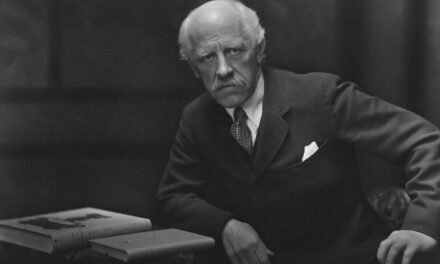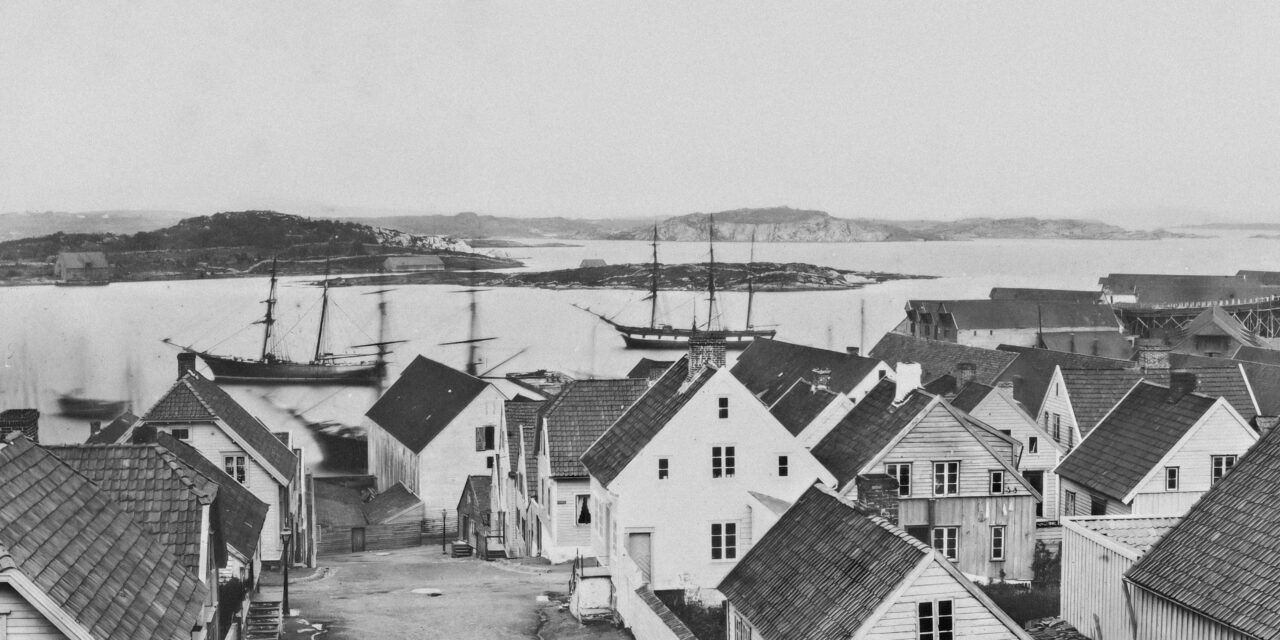
Gustav Vigeland was born on April 11, 1869, in the small town of Mandal, Norway. His early life was marked by a deep connection to the natural beauty of his surroundings, which would later influence his artistic vision. Vigeland was the son of a carpenter, and from a young age, he exhibited a keen interest in art. His family’s modest means did not deter him; instead, they instilled in him a strong work ethic and a desire to pursue his passion. At the age of 16, he moved to Oslo (then known as Christiania) to study at the Royal School of Art and Design. This transition marked a significant turning point in his life, as he was exposed to a broader artistic community and various styles that would shape his future work.
During his time at the Royal School, Vigeland honed his skills in drawing and sculpture. He was particularly influenced by the works of renowned artists such as Michelangelo and Rodin, whose mastery of form and emotion resonated with him. His education was not merely confined to the classroom; he sought inspiration from the world around him, often sketching the people and landscapes that surrounded him. This period of intense study and exploration laid the groundwork for his distinctive style, which would later become synonymous with his name. By the time he graduated, Vigeland had developed a unique artistic voice that combined classical techniques with a modern sensibility.
For those interested in exploring the intricate techniques employed by artists, a fascinating companion piece to “An In-Depth Guide to the Artist Gustav Vigeland” can be found in the article on Gongbi painting. This traditional Chinese art form, characterised by its meticulous detail and vibrant colours, offers a striking contrast to Vigeland’s bold and expressive sculptures. To delve deeper into the nuances of Gongbi and its artistic significance, you can read the article here: An Introduction to the Art Technique Gongbi.
Influences and Inspirations
Vigeland’s artistic journey was profoundly shaped by a myriad of influences that spanned both time and geography. One of the most significant sources of inspiration for him was the rich tapestry of Norwegian folklore and mythology. The stories of gods, heroes, and mythical creatures provided a wellspring of themes that he would later explore in his sculptures. This connection to his cultural heritage instilled in him a sense of purpose; he sought to capture the essence of the human experience through the lens of Norwegian identity. His works often reflect the struggles, joys, and complexities of life, drawing upon these ancient narratives to convey universal truths.
In addition to folklore, Vigeland was deeply influenced by the natural world. The rugged landscapes of Norway, with their dramatic fjords and serene forests, served as both backdrop and muse for his creations. He believed that nature held an intrinsic beauty that could be mirrored in art. This belief is evident in his sculptures, which often exhibit organic forms and fluid lines reminiscent of the natural environment. Furthermore, Vigeland’s travels across Europe exposed him to various artistic movements, including Symbolism and Expressionism. These experiences broadened his understanding of form and emotion, allowing him to incorporate diverse elements into his work while maintaining a distinctly Norwegian perspective.
The Vigeland Park
One of Vigeland’s most monumental achievements is the Vigeland Park, located within Frogner Park in Oslo. This expansive sculpture park is home to over 200 sculptures created by Vigeland himself, making it one of the largest collections of sculptures by a single artist in the world. The park was conceived as part of a larger project for the 1914 Norwegian National Exhibition, but it evolved into a lifelong endeavour for Vigeland. He dedicated several decades to its development, meticulously planning each aspect to ensure that it reflected his artistic vision.
The park is divided into several thematic sections, each exploring different aspects of human existence—from birth to death and everything in between. The iconic “Monolith,” a towering structure composed of intertwined figures, stands at the heart of the park and serves as a powerful symbol of humanity’s interconnectedness. Visitors are drawn not only to the sheer scale of the sculptures but also to their emotional depth. Each piece invites contemplation and reflection, encouraging viewers to engage with the themes of love, loss, and the passage of time. The Vigeland Park has become a cultural landmark in Oslo, attracting millions of visitors each year who come to experience its beauty and significance.
Sculptural Style and Techniques
Vigeland’s sculptural style is characterised by its expressive forms and intricate details. He primarily worked with bronze, granite, and wrought iron, employing these materials to create works that are both robust and delicate. His ability to manipulate these substances allowed him to convey a wide range of emotions through his sculptures. Vigeland often favoured exaggerated proportions and dynamic poses, which imbued his figures with a sense of movement and vitality. This approach not only captured the physicality of the human body but also conveyed deeper emotional states.
In terms of technique, Vigeland was known for his meticulous attention to detail. He often created small-scale models before embarking on larger works, allowing him to refine his ideas and ensure that each piece resonated with his intended message. His process involved extensive experimentation with different materials and methods, reflecting his commitment to craftsmanship. Additionally, Vigeland’s background in drawing played a crucial role in his sculptural practice; he often sketched out ideas before translating them into three-dimensional forms. This blend of planning and spontaneity is evident in his work, resulting in sculptures that are both thoughtfully composed and instinctively expressive.
For those interested in exploring the broader context of artistic movements that influenced Gustav Vigeland, a fascinating read can be found in an article about Juan Gris, a prominent figure in the Cubist movement. This piece delves into Gris’s work, particularly his painting “The Breakfast Table” from 1915, which showcases the innovative techniques and stylistic developments of the time. You can find this insightful exploration of Gris’s artistry in the article here. Understanding these connections can enrich one’s appreciation of Vigeland’s unique contributions to the world of sculpture.
Notable Works and Collections
Among Vigeland’s extensive body of work, several pieces stand out as particularly noteworthy. The “Monolith,” as previously mentioned, is perhaps his most famous creation. Standing at 14 metres tall, this monumental sculpture features 121 figures entwined in a complex arrangement that speaks to themes of life, death, and rebirth. The sheer scale and intricacy of the Monolith make it a focal point within Vigeland Park and a testament to his artistic vision.
Another significant work is “The Wheel of Life,” which encapsulates the cyclical nature of existence through a series of interconnected figures representing various stages of life. This piece exemplifies Vigeland’s ability to convey profound philosophical concepts through visual art. Additionally, “The Angry Boy,” a smaller yet equally impactful sculpture, captures a moment of raw emotion that resonates with viewers on a personal level. These works are not only celebrated for their aesthetic qualities but also for their ability to provoke thought and evoke feelings.
Vigeland’s sculptures can be found in numerous collections around the world, including museums in Norway and beyond. His contributions to art have been recognised through various awards and exhibitions, solidifying his place within the canon of modern sculpture. The enduring popularity of his works speaks to their universal appeal; they continue to inspire artists and art lovers alike.
Legacy and Impact
Gustav Vigeland’s legacy is one that transcends time and geography. His contributions to sculpture have left an indelible mark on the art world, influencing generations of artists who have followed in his footsteps. The Vigeland Park remains a testament to his vision, serving as both an artistic achievement and a cultural landmark that continues to attract visitors from around the globe. His ability to capture the essence of human experience through sculpture has established him as one of Norway’s most celebrated artists.
Moreover, Vigeland’s work has sparked discussions about the role of public art in society. His sculptures invite viewers to engage with complex themes such as love, mortality, and community—issues that resonate across cultures and eras. By placing art in public spaces, Vigeland challenged traditional notions of where art belongs and who it is for. His commitment to making art accessible has inspired contemporary artists to consider how their work interacts with public spaces and audiences.
Controversies and Criticisms
Despite his acclaim, Vigeland’s work has not been without controversy. Some critics have argued that his sculptures exhibit an overly idealised view of humanity, suggesting that they lack the complexity found in more contemporary approaches to art. This critique often centres on the notion that Vigeland’s figures can appear overly polished or romanticised, potentially glossing over the harsher realities of human existence. Such criticisms highlight an ongoing debate within the art community regarding representation and authenticity.
Additionally, there have been discussions surrounding Vigeland’s personal beliefs and how they may have influenced his work. Some scholars have pointed out that certain themes within his sculptures reflect traditional gender roles or societal norms prevalent during his lifetime. This has led to questions about whether Vigeland’s art perpetuates outdated ideals or if it can be interpreted as a reflection of its historical context. These controversies serve as reminders that art is often subject to varying interpretations based on cultural shifts and societal values.
Vigeland Museum and Archives
The Vigeland Museum in Oslo stands as a dedicated space for celebrating Gustav Vigeland’s life and work. Housed in what was once his studio, the museum showcases an extensive collection of his sculptures, drawings, and models. Visitors can explore not only completed works but also gain insight into Vigeland’s creative process through sketches and preparatory pieces. The museum serves as an invaluable resource for understanding the evolution of his artistic vision.
In addition to its exhibition space, the museum also houses archives containing letters, photographs, and documents related to Vigeland’s life. These materials provide context for his artistic journey and offer glimpses into his thoughts on art and society. The museum plays a crucial role in preserving Vigeland’s legacy while fostering ongoing dialogue about his contributions to modern sculpture. Through educational programmes and exhibitions, it continues to engage new generations with his work, ensuring that Gustav Vigeland’s impact on art remains vibrant for years to come.
FAQs
1. Who is Gustav Vigeland?
Gustav Vigeland was a Norwegian sculptor, best known for creating the Vigeland installation in Frogner Park, Oslo. He was born in 1869 and passed away in 1943.
2. What is the Vigeland installation?
The Vigeland installation is a permanent sculpture installation in Frogner Park, Oslo, Norway. It consists of 212 bronze and granite sculptures, all designed by Gustav Vigeland.
3. What are some notable works by Gustav Vigeland?
Some of Gustav Vigeland’s notable works include the Monolith, the Wheel of Life, and the Angry Boy sculpture. These works are all part of the Vigeland installation in Frogner Park.
4. What was Gustav Vigeland’s artistic style?
Gustav Vigeland’s artistic style was characterized by his focus on the human form and the exploration of human emotions and relationships. His sculptures often depict figures in various stages of life and in different emotional states.
5. Where can I see Gustav Vigeland’s work?
Gustav Vigeland’s work can be seen at the Vigeland Museum in Oslo, Norway, as well as in the Vigeland installation in Frogner Park. Additionally, his sculptures can be found in various locations around the world, including the United States and Sweden.