Philippe Rousseau was born in 1816 in the vibrant city of Paris, a place that would later become a significant backdrop for his artistic journey. Growing up in a family that appreciated the arts, Rousseau was exposed to a rich cultural environment from an early age. His father, a successful painter himself, played a pivotal role in nurturing his son’s artistic inclinations. This familial support provided Rousseau with the encouragement he needed to pursue his passion for painting. As a child, he often wandered through the streets of Paris, absorbing the sights and sounds of the bustling city, which would later influence his artistic vision.
Rousseau’s formal education began at the prestigious École des Beaux-Arts, where he honed his skills under the tutelage of renowned artists. The rigorous training he received there laid the foundation for his future work. He was particularly drawn to the techniques of the Old Masters, studying their compositions and colour palettes meticulously. This academic grounding allowed him to develop a keen understanding of light and shadow, which would become hallmarks of his later works. His time at the École des Beaux-Arts not only equipped him with technical skills but also instilled in him a deep appreciation for the history of art, shaping his identity as an artist.
Philippe Rousseau, renowned for his exquisite still-life paintings, has often been compared to other influential artists of his time. For those interested in exploring the evolution of artistic styles and the impact of abstract expressionism, a related article on Franz Kline’s work, particularly his painting “C.O. 1958,” provides valuable insights into the contrasting approaches of these two artists. You can read more about it in this article: An Introduction to the Painting C.O. 1958 by Franz Kline.
Influences and Inspirations
Rousseau’s artistic journey was profoundly influenced by a myriad of sources, both historical and contemporary. The Romantic movement, which was gaining momentum during his formative years, left an indelible mark on his work. Artists such as Eugène Delacroix and Théodore Géricault inspired him with their emotive use of colour and dramatic compositions. Rousseau admired their ability to convey deep emotional narratives through their paintings, and he sought to emulate this in his own creations. The Romantic ethos of exploring human emotion and nature resonated with him, prompting him to delve into themes that reflected the complexities of life.
In addition to the Romantic movement, Rousseau was also inspired by the burgeoning Realist movement. Artists like Gustave Courbet and Jean-François Millet challenged traditional artistic conventions by focusing on everyday subjects and the lives of ordinary people. This shift towards realism encouraged Rousseau to explore themes that were more grounded in reality, often depicting scenes from rural life and the natural world. His ability to blend elements from both Romanticism and Realism allowed him to create a unique style that captured the essence of human experience while remaining rooted in the tangible world around him.
Artistic Style and Techniques
Philippe Rousseau’s artistic style is characterised by a harmonious blend of Romanticism and Realism, resulting in works that are both emotive and grounded. His mastery of light and shadow is particularly noteworthy; he employed chiaroscuro techniques to create depth and dimension in his paintings. This skillful manipulation of light not only enhanced the three-dimensionality of his subjects but also imbued them with a sense of drama and intensity. Rousseau’s use of colour was equally significant; he often favoured a rich palette that conveyed mood and atmosphere, drawing viewers into the emotional landscape of his work.
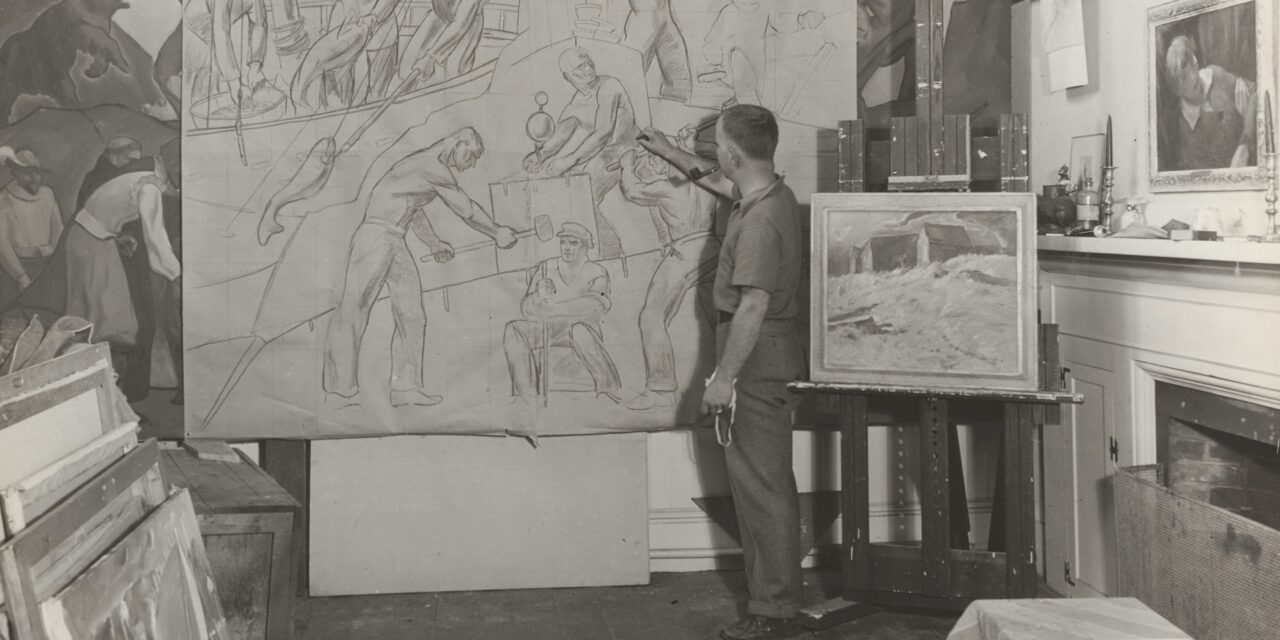
In terms of technique, Rousseau was known for his meticulous attention to detail. He often spent considerable time observing his subjects, whether they were landscapes or figures, ensuring that every brushstroke contributed to the overall composition. His approach to painting was methodical; he would begin with a detailed sketch before layering paint to build up texture and depth. This dedication to craftsmanship is evident in his finished pieces, which exhibit a level of precision that speaks to his training at the École des Beaux-Arts. Furthermore, Rousseau’s ability to capture fleeting moments in time—be it a sun-drenched field or a quiet domestic scene—demonstrates his keen observational skills and deep appreciation for the beauty found in everyday life.
Career and Achievements
Rousseau’s career began to flourish in the mid-19th century as he gained recognition for his distinctive style and thematic choices. His participation in the Salon exhibitions, which were pivotal for artists seeking public acclaim, marked a significant turning point in his career. His works were well-received by critics and collectors alike, leading to numerous commissions that further established his reputation as a leading painter of his time. Notably, Rousseau’s ability to capture the essence of rural life resonated with audiences who were increasingly interested in themes that reflected their own experiences.
Throughout his career, Rousseau received several accolades that underscored his contributions to the art world. He was awarded prestigious medals at various exhibitions, including the Exposition Universelle in 1855, which celebrated artistic excellence on an international scale. These achievements not only solidified his status as an accomplished artist but also opened doors for future opportunities, including collaborations with other prominent figures in the art community. As he continued to evolve as an artist, Rousseau’s work began to reflect broader societal changes, capturing the spirit of an era marked by both progress and nostalgia.
Philippe Rousseau, known for his exquisite still-life paintings, shares a fascinating connection with the works of other renowned artists of his time. For those interested in exploring the evolution of still-life art, a related article discusses the painting “Mont Sainte-Victoire” by Paul Cézanne, which highlights the transition from traditional to modern interpretations in the genre. You can read more about this captivating piece and its significance in the art world by visiting this article.
Personal Life and Relationships
Beyond his professional accomplishments, Philippe Rousseau’s personal life was marked by both joy and tragedy. He married early in his career, forming a partnership that provided him with emotional support as he navigated the challenges of being an artist. His wife often served as a muse for many of his works, embodying the grace and beauty that Rousseau sought to capture on canvas. Their relationship was characterised by mutual respect and admiration, allowing Rousseau to thrive creatively during their years together.
However, like many artists, Rousseau faced personal hardships that impacted his work. The loss of loved ones weighed heavily on him, infusing his later pieces with a sense of melancholy and introspection. These experiences shaped not only his artistic output but also his worldview, prompting him to explore themes of loss and resilience in greater depth. Despite these challenges, Rousseau maintained strong connections within the artistic community, forming friendships with fellow artists who shared similar struggles and aspirations. These relationships provided him with a sense of belonging and camaraderie that enriched both his personal life and artistic practice.
Impact on the Art World
Philippe Rousseau’s contributions to the art world extend far beyond his individual works; he played a crucial role in bridging the gap between Romanticism and Realism during a transformative period in art history. His ability to synthesise elements from both movements allowed him to create pieces that resonated with a diverse audience, appealing to those who appreciated emotional depth as well as realistic representation. This unique approach not only garnered him acclaim during his lifetime but also influenced subsequent generations of artists who sought to explore similar themes.
Rousseau’s impact is particularly evident in the way he approached subject matter. By focusing on everyday life and rural scenes, he helped elevate these themes within the broader context of fine art. His works encouraged other artists to look beyond traditional historical or mythological subjects, paving the way for a more inclusive exploration of human experience in art. As such, Rousseau’s legacy can be seen in the works of later artists who embraced realism while infusing their pieces with emotional resonance—a testament to his enduring influence on the trajectory of modern art.
Legacy and Recognition
The legacy of Philippe Rousseau is one that continues to be celebrated within art circles today. His works are held in esteemed collections around the world, serving as a testament to his skill and vision as an artist. Museums frequently showcase his paintings alongside those of other prominent figures from the 19th century, highlighting his significance within this rich historical context. Art historians often reference Rousseau when discussing the evolution of artistic styles during this period, recognising him as a pivotal figure who contributed to the dialogue between tradition and innovation.
In addition to institutional recognition, Rousseau’s influence can be seen in contemporary art practices that draw upon themes of realism and emotional depth. Many modern artists cite him as an inspiration for their own explorations of everyday life and human experience. His ability to capture fleeting moments with sensitivity continues to resonate with audiences today, ensuring that his work remains relevant across generations. As art continues to evolve, Rousseau’s contributions serve as a reminder of the power of observation and emotional connection in creating meaningful art.
The Future of Philippe Rousseau’s Art
As we look towards the future, Philippe Rousseau’s art is poised to maintain its relevance within both academic study and popular appreciation. With ongoing exhibitions dedicated to 19th-century art movements, there is ample opportunity for new audiences to discover Rousseau’s work and engage with its themes anew. Scholars continue to delve into his contributions, unearthing insights that shed light on not only his artistic practice but also the broader cultural context in which he operated.
Moreover, as contemporary artists increasingly seek inspiration from historical figures, Rousseau’s unique blend of Romanticism and Realism offers fertile ground for exploration. His ability to evoke emotion while remaining grounded in reality serves as a powerful reminder of art’s capacity to reflect human experience authentically. As new generations of artists grapple with similar themes—identity, loss, connection—the legacy of Philippe Rousseau will undoubtedly continue to inspire creativity and innovation within the ever-evolving landscape of art.
FAQs
Who is Philippe Rousseau?
Philippe Rousseau is a renowned artist known for his unique style and innovative approach to painting. He was born in France in 1816 and gained recognition for his work during the 19th century.
What is Philippe Rousseau known for?
Philippe Rousseau is known for his vibrant and expressive paintings, often depicting scenes from everyday life and nature. He was particularly skilled in capturing the play of light and shadow in his work.
What influenced Philippe Rousseau’s art?
Philippe Rousseau was influenced by the Barbizon school of painters, who focused on naturalistic landscapes and rural life. He also drew inspiration from the Impressionist movement, incorporating elements of spontaneity and light into his paintings.
What are some notable works by Philippe Rousseau?
Some notable works by Philippe Rousseau include “The Clearing”, “The Harvest”, and “Sunset over the River”. His paintings are characterized by their rich colours and dynamic compositions.
What is Philippe Rousseau’s legacy?
Philippe Rousseau’s legacy lies in his contribution to the development of landscape painting and his influence on subsequent generations of artists. His work continues to be celebrated for its beauty and emotional depth.