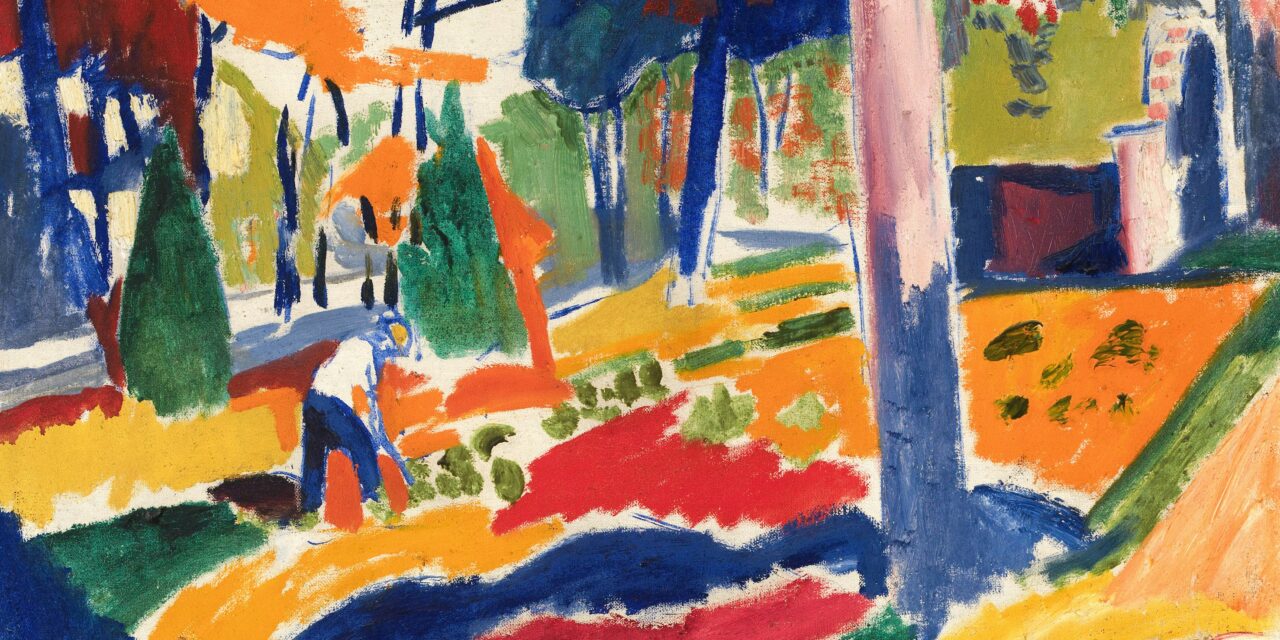
Henri Matisse, a luminary of the 20th century art scene, is often celebrated as one of the most influential figures in modern art. Born in France in 1869, Matisse’s work transcended traditional boundaries, paving the way for new artistic expressions that would resonate through generations. His vibrant use of colour, innovative compositions, and a distinctive approach to form have left an indelible mark on the art world. Matisse’s journey from a law student to a pioneering artist is a testament to his relentless pursuit of creativity and self-expression.
Matisse’s oeuvre is characterised by a bold exploration of colour and form, often evoking emotional responses from viewers. His ability to distil complex ideas into simple yet striking visuals has made his work both accessible and profound. As a leading figure in the Fauvism movement, Matisse challenged conventional artistic norms, embracing a philosophy that prioritised personal expression over realistic representation. This article delves into the life, influences, and legacy of Henri Matisse, illuminating the facets that contributed to his status as a master of modern art.
For those interested in exploring the vibrant world of artistic techniques, a related article that delves into the nuances of spray paint methods can be found at this link. While Henri Matisse is renowned for his mastery of colour and form, understanding contemporary spray paint techniques can offer valuable insights into modern artistic expressions that echo Matisse’s bold use of colour and innovative approaches to composition.
Early Life and Education
Henri Matisse was born on December 31, 1869, in Le Cateau-Cambrésis, a small town in northern France. He was the son of a grain merchant and grew up in a modest household that valued education. Initially, Matisse pursued a career in law, enrolling at the University of Paris. However, his passion for art soon overshadowed his legal studies. In 1891, he began taking evening classes at the École des Beaux-Arts in Paris, where he was exposed to the works of classical masters and contemporary artists alike.
Matisse’s early artistic education was marked by a struggle to find his unique voice. He experimented with various styles and techniques, influenced by the Impressionists and Post-Impressionists. His formative years were spent honing his skills in drawing and painting, often working alongside fellow artists who would later become significant figures in their own right. This period of exploration laid the groundwork for Matisse’s distinctive style, as he began to develop an appreciation for colour and abstraction that would define his later work.
Matisse’s Artistic Style and Techniques
Matisse’s artistic style is often associated with Fauvism, a movement characterised by its bold use of colour and emotive brushwork. The term “Fauvism” itself derives from the French word “fauves,” meaning “wild beasts,” which aptly describes the vibrant palette and expressive forms that Matisse and his contemporaries employed. His paintings often feature vivid hues applied directly from the tube, creating a sense of immediacy and intensity that captivates viewers. This radical approach to colour was revolutionary at the time and set Matisse apart from his peers.
In addition to his innovative use of colour, Matisse’s techniques included a unique approach to composition. He often employed flat shapes and simplified forms, allowing the viewer’s eye to move freely across the canvas. This emphasis on abstraction over realism enabled him to convey emotions and ideas without being constrained by traditional representational methods. Matisse’s mastery of line also played a crucial role in his work; he frequently used fluid, sweeping lines to create dynamic compositions that exuded energy and movement.
Matisse’s Influences and Inspirations
Throughout his career, Matisse drew inspiration from a diverse array of sources. The rich cultural tapestry of Paris in the early 20th century provided fertile ground for artistic exploration. He was particularly influenced by African art, which he encountered during visits to museums and galleries. The bold forms and patterns found in African sculptures resonated with Matisse, prompting him to incorporate similar elements into his own work. This cross-cultural exchange enriched his artistic vocabulary and contributed to the development of his distinctive style.
Moreover, Matisse was deeply inspired by literature and music. He often sought to evoke emotional responses akin to those experienced through poetry or melody in his paintings. The interplay between visual art and other forms of creative expression is evident in works such as “The Dance,” where the rhythmic movement of figures mirrors musical composition. Matisse’s ability to synthesise these influences into a cohesive artistic vision underscores his role as a pioneer who transcended disciplinary boundaries.
In exploring the vibrant world of Henri Matisse, one might also find it intriguing to delve into the evolution of artistic expression through different mediums. A fascinating article on graffiti art, which examines the fundamentals of advanced tagging and wildstyle, offers a contemporary perspective on how artists push boundaries and redefine creativity. This connection between Matisse’s bold use of colour and form and the dynamic nature of street art highlights the ongoing dialogue within the art community. For more insights, you can read the article on graffiti lettering fundamentals.
Matisse’s Major Artworks and Periods
Matisse’s career can be divided into several distinct periods, each marked by significant developments in style and technique. One of his most celebrated works from the Fauvist period is “Woman with a Hat” (1905), which features bold colours and abstracted forms that challenge conventional portraiture. This painting not only exemplifies Matisse’s innovative approach but also sparked controversy at its debut, highlighting the tensions between traditional art and emerging modernist movements.
Another pivotal moment in Matisse’s career came with the creation of “The Joy of Life” (Le Bonheur de Vivre) in 1905-1906. This monumental work encapsulates his fascination with colour and form while depicting an idyllic scene filled with figures engaged in leisure activities amidst a lush landscape. The painting is often regarded as a manifesto for Fauvism, celebrating the joy of existence through vibrant hues and dynamic compositions. As Matisse continued to evolve as an artist, he explored new techniques such as cut-outs in his later years, producing iconic works like “The Snail” (1953) that further pushed the boundaries of artistic expression.
Matisse’s Impact on Modern Art
Henri Matisse’s influence on modern art cannot be overstated; he played a pivotal role in shaping the trajectory of 20th-century artistic movements. His bold experimentation with colour and form inspired countless artists who followed in his footsteps, including those associated with Abstract Expressionism and Colour Field painting. The liberation of colour from its representational function opened new avenues for artistic exploration, encouraging subsequent generations to embrace abstraction as a legitimate form of expression.
Moreover, Matisse’s emphasis on personal expression resonated with artists seeking to convey their inner experiences through their work. His belief that art should evoke emotion rather than merely depict reality laid the groundwork for movements such as Surrealism and Expressionism. The legacy of Matisse is evident in the works of artists like Mark Rothko and Jackson Pollock, who drew upon his principles while forging their own paths within the modern art landscape.
Matisse’s Personal Life and Relationships
Matisse’s personal life was marked by both triumphs and challenges that shaped his artistic journey. He married Amélie Noellie Parayre in 1898, and together they had three children: Marguerite, Jean, and Alexis. The dynamics within his family often influenced his work; many of his portraits feature Amélie and their children as subjects. However, their relationship faced strains over the years, culminating in their separation in 1939. Despite this personal turmoil, Matisse continued to create prolifically, drawing inspiration from both joy and sorrow.
Throughout his life, Matisse formed close relationships with other artists and intellectuals who enriched his creative practice. He was part of a vibrant community that included figures such as Pablo Picasso, André Derain, and Gertrude Stein. These connections fostered an environment of collaboration and dialogue that propelled artistic innovation. The friendships he cultivated not only influenced his work but also contributed to the broader discourse surrounding modern art during this transformative period.
Matisse’s Legacy and Recognition
Henri Matisse’s legacy endures through the continued appreciation of his work by artists, scholars, and art enthusiasts alike. His contributions to modern art have been recognised through numerous exhibitions and retrospectives worldwide, celebrating both his innovative techniques and profound impact on subsequent generations. Institutions such as the Museum of Modern Art in New York and the Centre Pompidou in Paris house extensive collections of his work, ensuring that future audiences can engage with his artistic vision.
In addition to institutional recognition, Matisse has been honoured posthumously through various awards and accolades that underscore his significance within the art world. His influence extends beyond traditional painting; contemporary artists continue to draw inspiration from his use of colour, form, and abstraction. As new generations explore the possibilities of visual expression, Matisse remains a guiding light whose work continues to resonate across cultural boundaries.
Matisse’s Contributions to the Art World
Matisse’s contributions to the art world extend far beyond his individual works; he played an instrumental role in shaping artistic movements that challenged established norms. His pioneering spirit encouraged artists to embrace experimentation and push the boundaries of creativity. By advocating for personal expression over adherence to realism, Matisse opened doors for future generations to explore their unique voices within the realm of visual art.
Furthermore, Matisse’s exploration of different mediums—ranging from painting to sculpture to cut-outs—demonstrates his versatility as an artist. His willingness to adapt and innovate has inspired countless artists to explore new techniques and materials in their own practices. The legacy of Matisse is not merely confined to his own creations; it encompasses a broader ethos that champions artistic freedom and encourages individuals to seek their own paths within the ever-evolving landscape of contemporary art.
Matisse’s Exhibition and Museum Collections
Henri Matisse’s works are prominently featured in major exhibitions around the globe, reflecting both their historical significance and enduring appeal. Renowned institutions such as The Museum of Modern Art (MoMA) in New York City boast extensive collections of his paintings, drawings, and sculptures. These collections provide invaluable insights into Matisse’s evolution as an artist while allowing visitors to experience firsthand the vibrancy and emotional depth inherent in his work.
In addition to permanent collections, Matisse’s art has been showcased in numerous retrospectives that celebrate specific periods or themes within his oeuvre. These exhibitions often attract large audiences eager to engage with his innovative techniques and explore the narratives behind iconic pieces such as “The Dance” or “The Red Studio.” Through these exhibitions, museums play a crucial role in preserving Matisse’s legacy while fostering appreciation for modern art among diverse audiences.
Conclusion and Final Thoughts on Henri Matisse
In conclusion, Henri Matisse stands as a towering figure within the pantheon of modern art—a visionary whose contributions continue to inspire artists and captivate audiences worldwide. His fearless exploration of colour, form, and abstraction reshaped artistic conventions while paving the way for future movements that embraced personal expression over realism. Through both triumphs and challenges in his personal life, Matisse remained dedicated to his craft, leaving behind an extraordinary legacy that transcends time.
As we reflect on Matisse’s impact on modern art, it becomes clear that his work embodies a spirit of innovation that encourages us all to embrace our creativity without fear or constraint. His ability to distil complex emotions into simple yet powerful visuals serves as a reminder of art’s profound capacity to connect us across cultures and generations. Henri Matisse may have departed from this world in 1954, but his vibrant spirit lives on through every brushstroke—a testament to the enduring power of artistic expression.
FAQs
Who was Henri Matisse?
Henri Matisse was a French artist known for his use of color and his fluid, expressive style. He was a leading figure in modern art and is best known for his paintings, but he also worked in sculpture and printmaking.
What was Henri Matisse’s artistic style?
Matisse is known for his use of bold, vibrant colors and simplified forms. He was a key figure in the Fauvism movement, which emphasized the use of intense color and bold brushwork. Later in his career, he developed a more decorative, fluid style known as “cut-outs,” in which he created collages using brightly colored paper.
What are some of Henri Matisse’s most famous works?
Some of Matisse’s most famous works include “The Dance,” “The Red Studio,” “Woman with a Hat,” and “The Joy of Life.” These paintings showcase his use of color and his expressive, dynamic style.
What was Henri Matisse’s impact on the art world?
Matisse’s innovative use of color and form had a significant impact on the development of modern art. His work influenced a wide range of artists, and he is considered one of the most important figures in 20th-century art.
Where can I see Henri Matisse’s artwork?
Matisse’s artwork can be found in museums and galleries around the world, including the Museum of Modern Art in New York, the Tate Modern in London, and the Centre Pompidou in Paris. Many of his works are also held in private collections.