Henri Manguin: A Fauvist Sunbeam on the Mediterranean
Henri Manguin, a name that resonates with the vibrant hues and bold strokes of Fauvism, painted a life as rich and colourful as his canvases. Born in Paris in 1874, Manguin’s journey was one of artistic evolution, deeply influenced by the revolutionary art movements of his time, yet firmly rooted in his own distinctive vision. He was a man who found profound inspiration in the light and landscapes of the South of France, a passion that would come to define his most celebrated works. This is the story of an artist who, while perhaps not as widely celebrated as Matisse or Derain, carved out a significant and enduring place within the annals of modern art, a testament to his unwavering dedication to colour and his unique perspective on the world.
Manguin’s formative years were shaped by the intellectual and artistic ferment of late 19th-century Paris. While the city pulsed with the lingering echoes of Impressionism and the burgeoning seeds of Post-Impressionism, it was here that Manguin began to forge his artistic identity. His family background, though not directly artistic, provided a stable environment for his early education. He was a studious young man, and his initial artistic training would be crucial in laying the groundwork for his later, more radical explorations.
A Solid Artistic Education
Manguin’s formal artistic education began at the prestigious École des Arts Décoratifs in Paris. Here, he was immersed in the academic traditions of drawing and painting, learning the fundamentals of perspective, anatomy, and composition. This rigorous training, while seemingly at odds with the rebellious spirit of Fauvism, provided him with the technical proficiency that would later allow him to manipulate and distort form with confidence. It was a solid foundation upon which he could build his more expressive style.
Encounters that Shaped a Vision
It was during his time at the École des Arts Décoratifs that Manguin encountered the individuals who would become his lifelong friends and artistic collaborators. The most significant of these was Albert Marquet, a fellow student who shared Manguin’s burgeoning interest in capturing the fleeting moments of Parisian life. Their friendship, forged in the studios and cafes of the city, would prove to be an enduring artistic partnership, characterised by mutual admiration and shared artistic sensibilities. Later, Manguin’s path would cross with Henri Matisse and Charles Camoin, figures who would become central to the Fauvist movement. These encounters were not merely social; they were intellectual and artistic dialogues that ignited new ideas and encouraged daring experimentation.
Early Influences and Emerging Style
Even in his early works, subtle hints of Manguin’s future direction can be discerned. While he absorbed the lessons of his teachers, he also began to look beyond the confines of academic realism. The influence of Impressionism, with its emphasis on light and colour, was undoubtedly present, but Manguin was already gravitating towards a more subjective and emotional interpretation of his subjects. His Parisian street scenes and portraits from this period, while still relatively restrained, demonstrate a growing fascination with the expressive potential of colour.
Henri Manguin, a prominent figure in the Fauvist movement, is celebrated for his vibrant use of colour and expressive brushwork, which reflect his deep connection to the natural world. His life story is intricately woven with the artistic developments of the early 20th century, showcasing how personal experiences and the cultural landscape influenced his work. For those interested in exploring the creative journeys of artists, a related article that delves into the emotional and artistic processes behind crafting art can be found at Crafting with Heart. This piece offers insights into the passion and dedication that fuel artistic expression, much like Manguin’s own journey.
The Birth of Fauvism and the Manguin Palette
The turn of the century marked a seismic shift in the art world, and Henri Manguin was at the heart of it. The emergence of Fauvism, a movement characterised by its intense, non-naturalistic colours and bold brushwork, provided Manguin with the perfect outlet for his burgeoning artistic vision. He embraced the Fauvist ethos wholeheartedly, finding in its freedom a liberation from the constraints of traditional representation.
The Salon d’Automne and the “Fauves”
The pivotal moment for Fauvism, and indeed for Manguin’s career, was the Salon d’Automne of 1905. It was here that critics, overwhelmed by the vibrant, almost violent use of colour in the works of Manguin, Matisse, Derain, and others, coined the term “fauves,” meaning “wild beasts.” Manguin’s contributions to this exhibition, particularly his seascapes and portraits, were met with a mixture of shock and admiration. This exhibition cemented his reputation as one of the leading figures of this radical new movement.
The Power of Unfettered Colour
For Manguin, colour was not merely descriptive; it was an emotional language. He used pure, unmixed pigments applied directly from the tube, allowing them to vibrate against one another. His skies were not necessarily blue, his skin tones were not necessarily naturalistic, but they were undeniably true to the feeling he wished to convey. This approach allowed him to imbue his canvases with an intense energy and a profound sense of life. His use of complementary colours – the juxtaposition of colours that appear opposite each other on the colour wheel – created a powerful optical effect, making his paintings shimmer and pulse with vitality.
Key Works of the Fauvist Period
Among Manguin’s most significant Fauvist works are his vibrant depictions of the Mediterranean coast. Paintings like “Le Port de Saint-Tropez” and “La Baie de Saint-Tropez” are quintessential examples of his Fauvist style. The sun-drenched harbours, the dazzling blues of the sea, and the lush greens of the vegetation are rendered with an almost hallucinatory intensity. His portraits, too, from this period, such as “Femme à la chemise rayée,” showcase his ability to capture the essence of his sitters through bold colour and simplified forms.
The Allure of the South: Saint-Tropez and Beyond
While Paris provided the crucible for his artistic awakening, it was the sun-drenched landscapes of the South of France that truly captured Henri Manguin’s artistic soul. His relocation to Saint-Tropez was a transformative experience, immersing him in a world of intense light, vibrant colours, and a relaxed Mediterranean lifestyle that resonated deeply with his artistic sensibilities.
A New Artistic Haven
In 1904, Manguin, along with his wife Jeanne, moved to Saint-Tropez. This picturesque fishing village on the Côte d’Azur offered a stark contrast to the bustling streets of Paris. The abundant sunshine, the cerulean sea, the fragrant pine trees, and the vibrant colours of the local flora provided Manguin with an inexhaustible source of inspiration. He found a profound connection with this environment, and his art began to reflect its idyllic beauty and its intoxicating atmosphere.
Capturing the Mediterranean Light
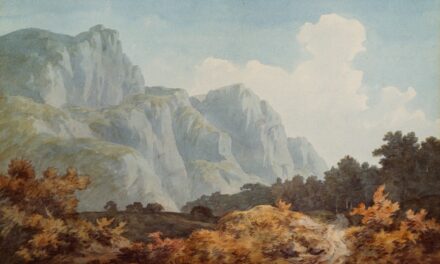
The primary characteristic of Manguin’s work in the South of France is his masterful depiction of light. The intense Mediterranean sun bathed everything in a dazzling glow, and Manguin sought to capture this ephemeral brilliance. His palette exploded with yellows, oranges, and bright blues, reflecting the shimmering light on the water and the heat radiating from the sun-baked earth. He wasn’t interested in photographic accuracy but in conveying the emotional and sensory experience of being bathed in such radiant light.
Iconic Southern Scenes
Manguin’s Saint-Tropez period produced some of his most iconic works. His depictions of the port, with its colourful fishing boats bobbing in the turquoise water, are renowned for their vibrancy and energy. “La Baignade à Saint-Tropez” captures the joyful freedom of bathing in the Mediterranean, with figures rendered in bold strokes of colour against a luminous backdrop. He also painted numerous portraits of his wife and daughters, often set against these idyllic southern landscapes, imbuing them with a sense of domestic bliss and natural beauty.
Evolution Beyond Fauvism: Continued Exploration and Mature Style
While Henri Manguin is undeniably associated with Fauvism, his artistic journey did not end with the movement’s initial explosion. Throughout his career, he continued to evolve, refining his techniques and exploring new avenues of expression. His mature style retained the boldness of his Fauvist beginnings but also incorporated a greater sense of structure and a deeper engagement with form.
A Legacy of Colour and Light
Even as Fauvism as a distinct movement began to wane, Manguin’s commitment to vibrant colour and the expressive power of light remained unwavering. He continued to paint the landscapes of the South of France, but his approach became more nuanced. While still employing bold hues, he also began to explore the interplay of light and shadow with greater subtlety. His brushwork, while still energetic, often became more deliberate, building up layers of paint to create rich textures.
The Female Nude and Intimacy
A significant and recurring theme in Manguin’s mature work is the female nude. Often set in domestic interiors or bathed in the soft light of his Provençal gardens, these nudes are rendered with a tenderness and sensuality that is deeply captivating. Unlike the more overtly decorative nudes of some of his Fauvist contemporaries, Manguin’s nudes possess a quiet dignity and an intimate presence. Paintings like “La Toilette” and “Femme nue se coiffant” showcase his ability to imbue the human form with a profound sense of beauty and vulnerability, using colour and light to explore the complexities of the female experience.
Portraits of Depth and Character
Manguin’s portraiture also evolved. While his early portraits were often bold and direct, his later works reveal a deeper psychological insight. He captured the character and inner life of his sitters through subtle variations in colour and a sensitive rendering of their features. His portraits of family members, in particular, radiate warmth and affection, offering a glimpse into his personal life and his deep connections with those closest to him.
Henri Manguin, a prominent figure in the Fauvist movement, is celebrated for his vibrant use of colour and expressive brushwork, which reflect his deep appreciation for nature and the human form. His life story is intricately woven with the artistic developments of his time, making it a fascinating subject for art enthusiasts. For those interested in exploring more about the cultural context of Manguin’s work, you might find this insightful article on cultural influences in art particularly enlightening, as it delves into the broader movements that shaped artists like Manguin.
A Lasting Legacy: Manguin’s Enduring Influence
Henri Manguin’s contribution to modern art is significant and enduring. While he may not always occupy the forefront of art historical discourse in the same way as some of his more prominent peers, his unique vision and his mastery of colour have left an indelible mark. His legacy is one of passion, innovation, and a profound love for the beauty of the world, captured through the expressive power of paint.
The Quiet Master of Colour
Manguin is often referred to as a “quiet master,” a testament to his less flamboyant personality compared to some of the more boisterous figures of the avant-garde. However, this quietude should not be mistaken for a lack of artistic impact. His influence can be seen in the generations of artists who have been inspired by his daring use of colour and his ability to imbue his canvases with a palpable sense of joy and vitality. He demonstrated that art could be both intensely personal and universally resonant, a celebration of life itself.
The Enduring Appeal of the Mediterranean
Manguin’s lifelong love affair with the Mediterranean continues to captivate viewers. His depictions of Saint-Tropez and the surrounding region evoke a sense of escapism and a longing for the simple pleasures of life – sunshine, sea, and vibrant natural beauty. His paintings transport us to a world bathed in golden light, offering a timeless vision of idyllic existence.
Recognition and Rediscovery
While Manguin achieved significant recognition during his lifetime, his work has seen a renewed appreciation in recent decades. Exhibitions and scholarly research have brought his contributions into sharper focus, allowing a wider audience to discover the brilliance of his art. He is now rightfully acknowledged as a pivotal figure in the Fauvist movement and a master painter in his own right, a testament to the enduring power of his vision. His canvases, brimming with life and light, continue to offer a radiant glimpse into the soul of an artist who found his truest expression under the Mediterranean sun.
FAQs
Who was Henri Manguin?
Henri Manguin was a French painter associated with the Fauvist movement, known for his use of bold colors and expressive brushwork. He was born on March 23, 1874, in Paris, France, and died on September 25, 1949, in Saint-Tropez, France.
What is Henri Manguin known for?
Henri Manguin is known for his vibrant and colorful paintings, which were characteristic of the Fauvist movement. He often depicted landscapes, still lifes, and portraits, and his work is celebrated for its expressive use of color and form.
What influenced Henri Manguin’s art?
Henri Manguin was influenced by the works of artists such as Paul Cézanne and Paul Gauguin. He was also inspired by the vibrant colors and bold brushwork of the Fauvist movement, which had a significant impact on his artistic style.
What are some notable works by Henri Manguin?
Some notable works by Henri Manguin include “The Pink Tablecloth,” “The Open Window,” “Landscape at Cassis,” and “The Three Sisters.” These paintings showcase Manguin’s use of bold colors and his ability to capture the essence of his subjects with expressive brushwork.
What is Henri Manguin’s legacy?
Henri Manguin’s legacy lies in his contribution to the Fauvist movement and his unique artistic style. His vibrant and expressive paintings continue to be celebrated for their bold use of color and their influence on modern art.