Pablo Picasso: An In-Depth Guide to the Twentieth Century’s Most Revolutionary Artist
Pablo Picasso remains an artist who, decades after his death, continues to ignite conversations, command astronomical sums at auction, and populate museum halls with his electrifying creations. His name is synonymous with artistic innovation, a relentless spirit of reinvention, and a body of work so vast and varied it seems almost impossible for one individual to have produced. From the melancholic blues of his early career to the fractured realities of Cubism and the audacious distortions of his later years, Picasso did not simply paint; he fundamentally reshaped the way we see the world and the very language of art itself. This guide delves into the multifaceted genius of Pablo Picasso, exploring his life, his groundbreaking techniques, his enduring influence, and why his work continues to be a subject of intense fascination today.
Born in Málaga, Spain, in 1881, Pablo Ruiz Picasso displayed an astonishing precocious talent for drawing and painting from a remarkably young age. His father, an art teacher, recognised his son’s extraordinary abilities and provided him with early artistic training. This foundation, combined with Picasso’s innate drive and insatiable curiosity, set him on a path that would forever alter the course of art history.
Early Life and Education
Picasso’s formative years were marked by intense study and a rapid assimilation of artistic traditions. He entered art academies in Barcelona and Madrid, quickly mastering academic techniques and demonstrating a maturity beyond his years. However, the rigid confines of formal instruction soon became a constraint for the young artist. He craved a more expressive and personal approach to art, a desire that would fuel his subsequent explorations.
Paris: The Crucible of Innovation
The move to Paris in the early 20th century proved to be a pivotal moment in Picasso’s life and career. This vibrant artistic hub, teeming with avant-garde movements and intellectual discourse, provided the fertile ground for his revolutionary ideas to blossom. It was here that he encountered artists like Georges Braque, Henri Matisse, and Gertrude Stein, individuals who would become crucial influences and collaborators.
The Blue and Rose Periods: Melancholy and Tender Emotion
Before the seismic shift of Cubism, Picasso’s early work revealed a profound emotional depth. The Blue Period (roughly 1901-1904), characterised by its dominant use of cool blues and greens, conveyed a sense of melancholy, poverty, and despair. Subjects often included beggars, prostitutes, and the downtrodden, reflecting Picasso’s own struggles and empathy for the marginalised. This was followed by the Rose Period (roughly 1904-1906), where a warmer palette of pinks and oranges emerged, tinged with a more tender and romantic sensibility. Circus performers, harlequins, and acrobats became frequent motifs, hinting at a more optimistic outlook.
For those interested in exploring the revolutionary impact of Pablo Picasso on the art world, a related article titled “Artful Innovations” delves into the various movements and techniques that shaped modern art. This piece provides valuable insights into how Picasso’s innovative approaches influenced not only his contemporaries but also future generations of artists. To read more about these artistic transformations, visit Artful Innovations.
The Birth of Cubism: Deconstructing Reality
Perhaps Picasso’s most significant contribution to art history is his co-invention of Cubism. This revolutionary movement, developed in collaboration with Georges Braque, shattered traditional notions of perspective and representation, ushering in a new era of artistic expression. The impact of Cubism was profound, influencing not only painting and sculpture but also architecture, design, and literature.
Analytic Cubism: Breaking Down Form
The initial phase of Cubism, known as Analytic Cubism (roughly 1909-1912), involved the rigorous deconstruction of objects and figures. Picasso and Braque would break down their subjects into fragmented geometric shapes, analysing them from multiple viewpoints simultaneously. Colours were often muted, dominated by earthy browns, greys, and ochres, as the focus was on form and structure rather than chromatic representation. The aim was to present a more complete, albeit fractured, reality by showing an object as it might be seen from various angles all at once.
Synthetic Cubism: Building with New Materials
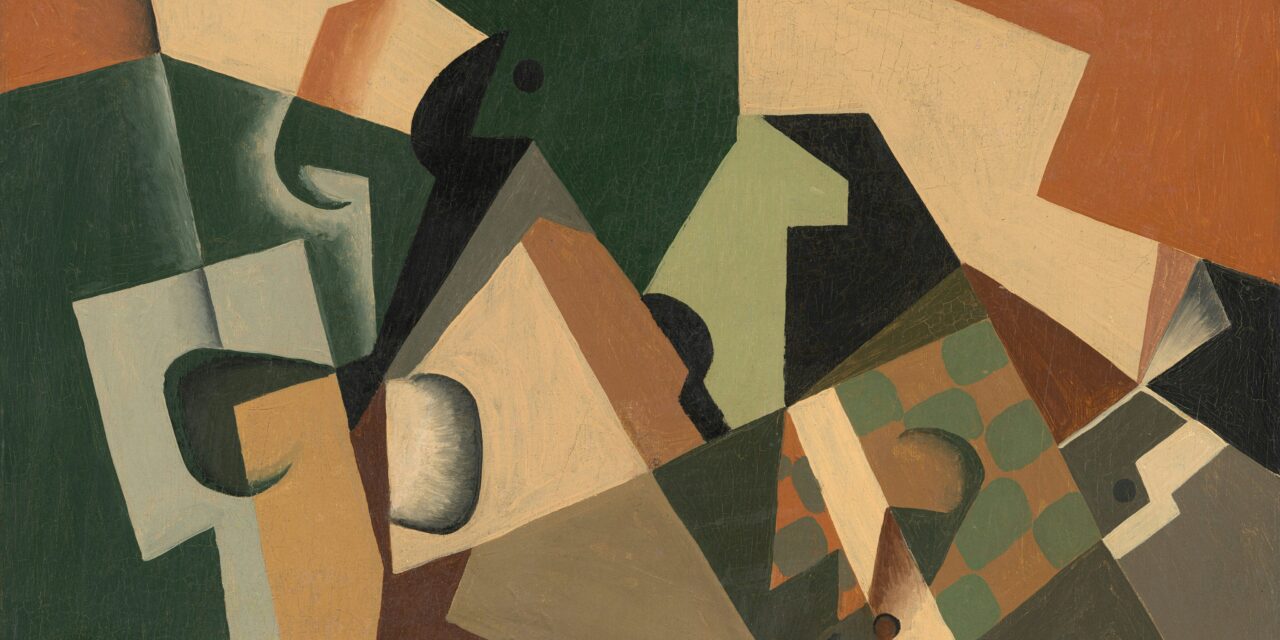
Emerging from Analytic Cubism, Synthetic Cubism (roughly 1912-1919) represented a shift towards constructing images from simpler shapes and bolder colours. Artists began to incorporate collage elements, such as newspaper clippings, wallpaper, and fabric, into their paintings. This allowed for a more direct engagement with reality, bringing fragments of the everyday world into the artwork. Synthetic Cubism also saw the introduction of bolder colours and a more decorative quality, with a renewed emphasis on the flatness of the picture plane.
The Eclectic Genius: Beyond Cubism
While Cubism remains his most celebrated innovation, Picasso’s artistic journey was far from monolithic. He was a restless innovator, constantly experimenting with different styles, techniques, and subject matter throughout his long and prolific career. His ability to absorb and transform influences, to move between seemingly disparate artistic languages, is a testament to his boundless creative energy.
Neoclassicism and Surrealism: New Directions
In the post-World War I era, Picasso surprised the art world with a turn towards Neoclassicism. His works from this period often featured monumental figures, drawing inspiration from classical antiquity. This stylistic detour demonstrated his mastery of traditional draftsmanship and his ability to engage with different historical paradigms. Later, he also flirted with Surrealism, though his relationship with the movement was complex. While he never formally joined the Surrealists, his exploration of the subconscious and his often unsettling imagery resonated with their aims.
Later Works: Boldness and Expressiveness
Picasso’s later works, produced in the decades leading up to his death in 1973, are characterised by an even greater boldness and expressiveness. He continued to revisit and re-interpret his earlier styles, but with a newfound freedom and a willingness to push boundaries further. His late paintings often possess a raw energy, a vibrant palette, and a directness of execution that is both compelling and deeply personal. This period also saw him produce a prodigious amount of work across various mediums, including ceramics, sculpture, and printmaking.
The Enduring Legacy: Picasso’s Impact on Art and Culture
The influence of Pablo Picasso on 20th-century art is immeasurable. He not only introduced groundbreaking artistic concepts but also redefined the role of the artist in society. His relentless drive for innovation, his engagement with the political and social currents of his time, and his sheer prolific output have left an indelible mark on the global cultural landscape.
Exhibitions and Museum Programming: A Living Presence
Even today, Picasso continues to generate major news through exhibitions and museum programming. For instance, Tate Modern’s Theatre Picasso exhibition, which opened in September 2025 and runs through April 2026, focused on performance in his work, showcasing his multifaceted engagement with theatricality. The Picasso Museum in Paris, after a significant facelift, reopened its doors presenting a refreshed permanent collection of approximately 400 works across 22 rooms, offering a vital gateway to his artistic evolution. These ongoing retrospectives and thematic explorations ensure that Picasso’s work remains accessible and a subject of contemporary discourse.
Market Dominance: Astronomical Prices and Accessibility
Picasso’s art continues to command astronomical prices at auction. A prime example is Woman with a Watch (Femme à la montre), which sold for an astonishing $139.3 million at Sotheby’s in New York, underscoring his enduring market appeal. Yet, Picasso’s art is also appearing in more accessible formats, such as charity raffles and public draws. A €1 million Picasso portrait, for example, was raffled in France to support Alzheimer’s research, demonstrating a broader reach and a commitment to charitable causes through his art. This duality highlights his multifaceted presence in both the high-stakes art market and the realm of public engagement.
Rediscoveries and Disputes: A Continuing Narrative
The narrative surrounding Picasso is far from static. News about his works and legacy also includes recoveries, thefts, and legal disputes. Reports of a missing Picasso painting being found in Spain and another work recovered after a French drug raid illustrate the continued intrigue and value associated with his creations. Furthermore, ongoing discoveries and rediscoveries of his works, such as the unveiling of a previously unseen 1943 Dora Maar portrait in Paris, continually add new layers to our understanding of his oeuvre.
Cultural and Political Debates: The Power of Guernica
Picasso’s place in cultural and political debates remains potent, particularly concerning his monumental anti-war masterpiece, Guernica. Renewed discussions surrounding the painting’s location and its potential use in partisan arguments highlight the enduring power of his art to provoke thought and inspire activism. Guernica stands as a stark reminder of the devastating consequences of conflict and serves as a powerful symbol of protest and peace, its relevance undiminished by the passage of time.
For those looking to explore the broader context of modern art and its influential figures, an insightful article on the Museo d’Arte Contemporanea di Roma (MACRO) can provide valuable perspectives on contemporary movements that have shaped the art world. This related article delves into the significance of this museum, which showcases works that resonate with the innovative spirit of artists like Pablo Picasso, highlighting the ongoing dialogue between past and present in the realm of artistic expression.
Conclusion: An Artist for the Ages
Pablo Picasso was more than just a painter; he was a force of nature, an artist whose relentless curiosity and boundless talent propelled him to the forefront of artistic innovation for over seven decades. He challenged conventions, dismantled established norms, and constantly reinvented himself, leaving behind a legacy that continues to inspire, provoke, and captivate. From his early explorations of human emotion to the revolutionary fragmentation of Cubism and the unbridled expressiveness of his later years, Picasso’s work remains a vital and dynamic part of our cultural heritage. His ability to generate headlines through major exhibitions, command record-breaking prices, and spark ongoing debates about his art and its meaning ensures that Pablo Picasso, the twentieth century’s most revolutionary artist, continues to be a figure of enduring fascination and profound importance.
FAQs
Who was Pablo Picasso?
Pablo Picasso was a Spanish painter, sculptor, printmaker, ceramicist, and stage designer who is widely regarded as one of the most influential artists of the 20th century. He is known for co-founding the Cubist movement and for the wide variety of styles that he helped develop and explore.
What are some of Pablo Picasso’s most famous works?
Some of Pablo Picasso’s most famous works include “Les Demoiselles d’Avignon,” “Guernica,” “The Weeping Woman,” “The Old Guitarist,” and “The Young Ladies of Avignon.” These works showcase his diverse range of styles and techniques.
What was Picasso’s contribution to the art world?
Picasso’s contribution to the art world was immense. He is credited with co-founding the Cubist movement, which revolutionized the way artists approached representation and perspective. He also made significant contributions to Surrealism and Symbolism, and his work continues to influence artists and art movements to this day.
What was Picasso’s personal life like?
Picasso had a tumultuous personal life, marked by numerous romantic relationships and marriages. He had four children with three different women and was known for his bohemian lifestyle. He spent much of his life in France, particularly in Paris, where he was a central figure in the city’s vibrant art scene.
What is Picasso’s legacy?
Picasso’s legacy is one of immense influence and innovation in the art world. His work continues to be celebrated and studied, and he is widely regarded as one of the greatest artists of all time. His impact on the development of modern art cannot be overstated, and his legacy continues to inspire artists and art lovers around the world.