Alfred Sisley, though often overshadowed by the more tempestuous figures of Impressionism like Monet and Renoir, stands as a cornerstone of the movement. His dedication to capturing the fleeting beauty of light and atmosphere, particularly in his beloved landscapes of the Île-de-France, has cemented his legacy as one of the most sensitive and consistent Impressionist painters. This in-depth guide will delve into the life, work, and enduring appeal of this distinguished artist, exploring his artistic journey, his unique contributions to Impressionism, and the enduring power of his serene yet profound canvases.
Alfred Sisley’s life was one of contrasts, marked by an early expatriate existence and a lifelong devotion to the French landscape. Born in Paris in 1839 to affluent British parents, his upbringing was steeped in culture, though his father, a prosperous merchant, had initially intended for Alfred to enter the world of commerce. This path, however, held little appeal for the young Sisley, whose artistic inclinations soon became paramount.
A Childhood and Education Abroad
Sisley’s early years were spent in Paris, a vibrant hub of artistic activity, but a significant portion of his formative period was spent in England. This dual cultural immersion would later inform his artistic sensibilities, offering him a perspective that was both rooted in French modernity and tinged with a certain appreciation for English landscape traditions. His formal art education began in the studio of the respected Swiss painter Marc-Charles-Gabriel Gleyre. It was here that Sisley encountered some of the most significant figures of the burgeoning Impressionist movement, including Claude Monet, Pierre-Auguste Renoir, and Frédéric Bazille. This was not merely a classroom setting; it was the crucible where lifelong friendships and artistic alliances were forged.
The Genesis of Impressionism at Gleyre’s Studio
Gleyre’s studio was a remarkable environment. While Gleyre himself painted in a more academic style, he encouraged his students to break free from the conventions of the Salon and to seek inspiration in the world around them. It was during this period that Sisley and his contemporaries began to experiment with painting en plein air – outdoors – a radical departure from the traditional practice of studio work. This direct engagement with nature allowed them to observe and depict the transient effects of light and colour with unprecedented fidelity. The camaraderie and shared artistic ideals within Gleyre’s studio were instrumental in the development of the Impressionist aesthetic.
Financial Fortunes and Artistic Pursuits
The Sisley family’s financial success provided Alfred with a degree of freedom to pursue his artistic passion, but this was tragically disrupted by the Franco-Prussian War. The war had a devastating impact on the family’s wealth, and Alfred was forced to rely on his own artistic production for income. This period of financial uncertainty, while undoubtedly challenging, likely sharpened his focus and determination as an artist. It also meant that, unlike some of his more affluent Impressionist colleagues, Sisley experienced the daily struggles of a professional artist trying to make a living from his work.
For those interested in exploring the works of influential artists, a related article that delves into the intricacies of landscape painting is available. It focuses on the painting “The Large Forest” by Jacob Isaakszoon van Ruisdael, which offers a fascinating perspective on the evolution of natural scenery in art. To read more about this captivating piece and its significance, visit this article.
Sisley’s Artistic Evolution and Impressionist Tenets
Alfred Sisley’s artistic journey was characterised by a steadfast commitment to Impressionist principles, even as the movement itself evolved and faced criticism. His landscapes, largely focused on the region around Paris, became his signature, offering a quiet yet profound contemplation of the natural world.
The Commitment to Plain Air Painting
Sisley was an ardent proponent of painting en plein air. For him, the act of directly observing and interpreting his subject outdoors was not just a technique but a fundamental philosophy. He believed that one could only truly capture the fleeting nuances of light, atmosphere, and colour by immersing oneself in the very environment being depicted. This involved grappling with the challenges of rapidly changing weather conditions, the shifting patterns of sunlight, and the ephemeral qualities of nature. His canvases are testaments to this dedication, brimming with the freshness and immediacy that only outdoor observation can provide.
The Quest for Light and Atmosphere
The central preoccupation of Impressionism, and of Sisley’s work in particular, was the capture of light. He was fascinated by how light transformed a scene, altering colours and creating subtle shifts in mood. His skies are often as important as the land, rendered with an exquisite sensitivity to the atmospheric conditions. Whether depicting a crisp winter’s day, a sun-drenched summer afternoon, or a brooding autumn sky, Sisley’s mastery of atmospheric effects is unparalleled. He understood that light was not merely illumination but a palpable presence that shaped the visual experience of a landscape.
A Subtle and Harmonious Palette
While some of his Impressionist contemporaries employed bold, almost jarring juxtapositions of colour to convey immediacy, Sisley favoured a more subtle and harmonious palette. His colours are often blended with a delicate touch, creating a sense of unity and tranquillity. He was a master of using soft blues, greens, and greys to evoke the silvery light of northern France, juxtaposed with touches of warmer colours to suggest sunlight or autumnal foliage. This refined approach to colour contributed to the serene and contemplative quality that characterises his best works.
Subject Matter: The Beloved Île-de-France
Sisley’s artistic output is almost exclusively devoted to landscape. He found endless inspiration in the familiar scenery of the Île-de-France region, a pastoral area north of Paris. Rivers, canals, fields, villages, and the changing seasons provided him with a rich tapestry of subjects. Unlike Monet, who was often drawn to the dramatic and the picturesque, Sisley’s landscapes are characterized by their quietude and everyday beauty. He found profound artistic meaning in the ordinary, celebrating the humble grandeur of rural life and the subtle poetry of the natural world. His focus on these seemingly unassuming scenes elevated them to subjects of great artistic merit.
Signature Works and Artistic Development
Sisley’s oeuvre, though consistent in its thematic focus, reveals a distinct evolution in his technique and expressive power. His most celebrated works exemplify his ability to translate the ephemeral into enduring art.
Early Masterpieces: “The Flood at Port-Marly” (1876)
This iconic painting, depicting a village inundated by floodwaters, is a powerful example of Sisley’s early engagement with Impressionism. The shimmering reflections on the water, the subdued yet vibrant colours, and the sense of atmospheric moisture all contribute to its remarkable immediacy. Sisley expertly captures the disruption of everyday life by nature, but also a strange beauty in the submerged world. The way he renders the water, allowing it to reflect the sky and the partially submerged buildings, is a testament to his observational skills and his ability to imbue a scene with both realism and poetic feeling.
The Later Years: “The Church at Moret-sur-Loing” Series
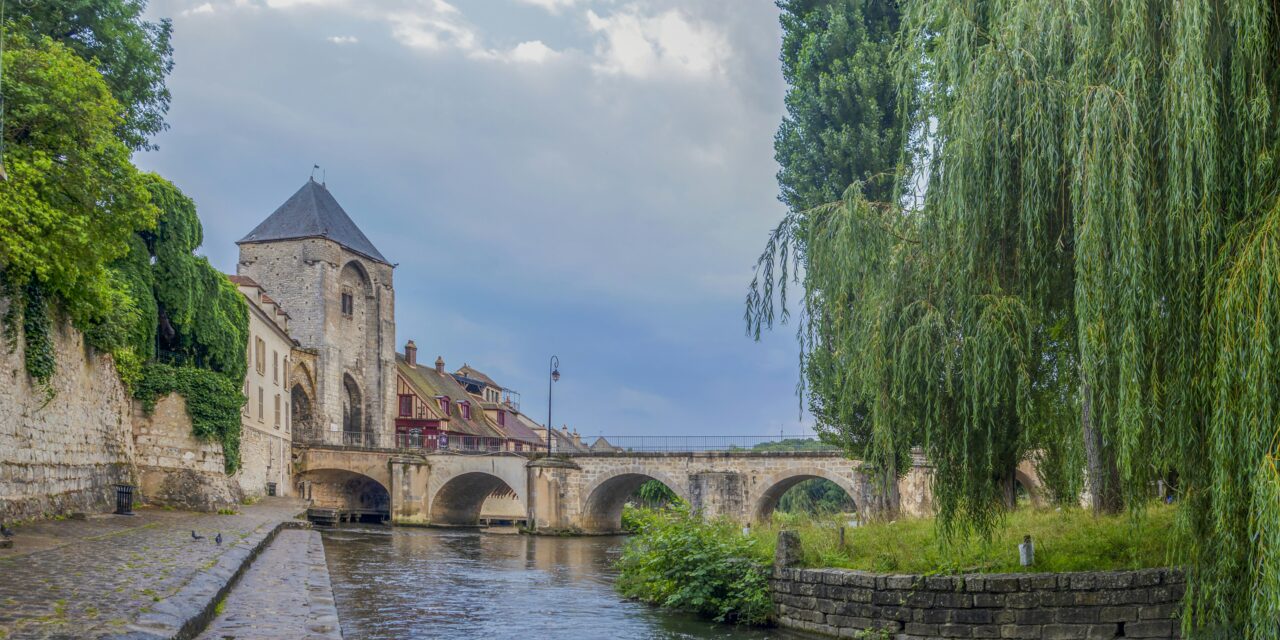
In his later years, Sisley returned to the subject of a particular church in Moret-sur-Loing on multiple occasions, exploring its form under varying light conditions. These series of paintings demonstrate his deep understanding of how light and weather could drastically alter the appearance of a single motif. The subtle variations in brushwork and colour in these works reveal a mature artist at the height of his powers, endlessly dissecting and reinterpreting his chosen subject. The solid, architectural form of the church provides a grounding element against the fluid and ever-changing sky, a juxtaposition that Sisley handled with exceptional skill.
Capturing the Seasons: A Year in the Countryside
Sisley’s dedication to depicting the four seasons is a hallmark of his work. He meticulously observed and rendered the distinct characteristics of spring, summer, autumn, and winter. His winter landscapes, in particular, are notable for their cool palette and the subtle ways in which he conveyed the crispness of the air and the ethereal beauty of snow-covered fields. Conversely, his summer scenes often shimmer with the warmth of the sun and the lushness of vegetation. This year-round engagement with nature allowed him to demonstrate the full spectrum of atmospheric effects and the cyclical beauty of the natural world.
Sisley’s Impressionist Contribution and Legacy
Alfred Sisley’s unwavering dedication to Impressionist ideals and his distinctive artistic voice have had a lasting impact on the appreciation of landscape painting. He stands as a testament to the power of quiet observation and the profound beauty to be found in the everyday.
A Consistent Voice Amidst Artistic Flux
While many Impressionists experimented with different styles and subjects throughout their careers, Sisley remained remarkably consistent in his artistic vision. He was not one for radical stylistic shifts. Instead, he refined and deepened his exploration of the Impressionist approach, consistently producing works of exceptional quality and sensitivity. This consistency, far from being a lack of creativity, speaks to a profound understanding and mastery of his chosen path. He found ample artistic territory within the realm of Impressionism and dedicated his life to its purest expression.
The Poetics of the Ordinary
Sisley’s greatest contribution may lie in his ability to elevate the ordinary into the realm of high art. He found beauty in the mundane – a simple field, a riverbank, a roadside scene. He demonstrated that profound emotional resonance could be achieved through the meticulous and sensitive depiction of familiar landscapes. His paintings invite the viewer to pause, to observe, and to appreciate the quiet grandeur of the world around them. He transformed the seemingly unremarkable into subjects of contemplation and aesthetic delight.
Influence on Later Landscape Painters
Though often overlooked in favour of his more famous contemporaries, Sisley’s influence can be felt in the work of subsequent generations of landscape painters. His refined use of colour, his sensitivity to atmospheric effects, and his dedication to plain air painting provided a valuable model for artists seeking to capture the essence of nature. His quiet mastery inspired a deeper appreciation for the subtle nuances of the natural world among those who followed.
A Retrospective Appreciation
In recent decades, there has been a growing scholarly and public appreciation for Sisley’s oeuvre. Exhibitions and critical reappraisals have highlighted his unique strengths and his vital role within the Impressionist movement. His work continues to resonate with viewers who are drawn to its serenity, its sophisticated use of colour, and its heartfelt portrayal of the natural world. The rediscovery and ongoing celebration of Sisley’s art underscore the enduring power of his artistic vision.
For those interested in exploring the enchanting world of Impressionism further, a related article titled Whimsical Wonders delves into the captivating works of various artists who, like Alfred Sisley, masterfully captured the beauty of nature. This piece provides a broader context for understanding the artistic movements that influenced Sisley and highlights the whimsical elements that define this period in art history.
Exploring Sisley’s Technique and Materials
Sisley’s meticulous approach to his craft was as integral to his artistic success as his choice of subject matter. His techniques were deeply entwilled with the tenets of Impressionism.
The Art of the Brushstroke
Sisley’s brushwork is typically characterized by its delicacy and precision. Unlike the more vigorous and visible impasto favored by some Impressionists, Sisley’s strokes are often shorter and more broken, particularly in his rendering of skies and water. This technique effectively captures the texture of light and the subtle gradations of colour. He would build up layers of colour with careful observation, allowing them to blend optically in the viewer’s eye. His touch was often described as light and airy, contributing to the overall sense of transparency and luminosity in his canvases.
The Importance of Colour Theory
Sisley was a keen observer of colour interactions. He understood how colours influenced each other and how juxtaposing them could create vibrant effects. While his overall palette was harmonious, he was not afraid to use complementary colours sparingly to enhance the luminosity of his scenes. His understanding of colour theory, honed through years of outdoor observation, allowed him to achieve a remarkable fidelity to the natural world while also imbuing his paintings with a subjective emotional resonance. He understood the power of colour to convey mood and atmosphere.
Mediums and Supports
Like his fellow Impressionists, Sisley primarily worked in oil paint. He often used canvas as his support, which allowed for a certain flexibility and responsiveness to his brushwork. The portability of oil paints was crucial for his plein air expeditions, enabling him to work directly from nature. He was known to experiment with different types of varnish to achieve the desired finish and to protect his work, understanding that the longevity of his paintings was as important as their initial creation.
The Evolution of Equipment for Plein Air
The development of pre-packaged paint tubes in the mid-19th century revolutionised outdoor painting. This innovation made it significantly easier for artists to carry their materials and to access a wider range of colours in the field. Sisley, like Monet and Renoir, undoubtedly benefited from these advancements, which liberated him from the more cumbersome traditional methods of preparing paints. This technological shift was integral to the Impressionist movement’s ability to capture fleeting moments en plein air.
For those interested in exploring the techniques used by Alfred Sisley, a related article on blending charcoal offers valuable insights into the methods that can enhance one’s artistic practice. Understanding how to manipulate different mediums can provide a deeper appreciation for Sisley’s work and the impressionist movement as a whole. You can read more about these techniques in the article on blending charcoal, which discusses various tools and approaches that artists can employ to achieve their desired effects.
The Enduring Appeal of Sisley’s Landscapes
Sisley’s enduring appeal lies in his ability to offer a unique perspective on the world, one that is both deeply personal and universally resonant. His paintings are more than just depictions of places; they are invitations to experience the subtle beauties of existence.
A Sense of Tranquillity and Peace
In a world often characterized by speed and turmoil, Sisley’s landscapes offer a welcome respite. His serene compositions, painted with a delicate touch and a harmonious palette, evoke a sense of calm and contemplative peace. Viewers are drawn to the quietude of his scenes, finding solace in their unhurried beauty and their gentle evocation of nature’s rhythms. His work provides a balm for the modern soul, a reminder of simpler pleasures.
The Celebration of Nature’s Ephemeral Beauty
Sisley’s ability to capture the fleeting moments of nature – the changing light, the shifting clouds, the gentle breeze – is a testament to his keen observational powers and his profound appreciation for the ephemeral. He reminds us that beauty resides in the transient, in moments that are gone as quickly as they appear. His paintings encourage us to be more present, to observe the subtle transformations that occur around us each day.
A Deeper Connection to Place
Sisley’s lifelong devotion to the landscapes of the Île-de-France has created a powerful connection between his art and this specific region. His paintings serve as enduring records of these places, capturing their character and their changing moods. For those familiar with the area, his works offer a poignant reminder of its beauty and its history. For those unfamiliar, they offer an enticing glimpse into a tranquil and picturesque corner of the world.
The Timelessness of Skill and Vision
Beyond his Impressionist contemporaries, Sisley’s work possesses a timeless quality. His technical mastery, combined with his unique artistic vision, ensures that his paintings continue to engage and inspire viewers across generations. The quiet sincerity of his approach, the depth of his feeling for his subject matter, and his exquisite execution combine to create art that transcends its historical context. Alfred Sisley, though perhaps less flamboyant than some of his peers, stands as a pillar of Impressionism, a testament to the profound artistic power of quiet observation and unwavering dedication to capturing the fleeting beauty of the world. His serene landscapes continue to offer solace, inspiration, and a deep appreciation for the art of seeing.
FAQs
Who was Alfred Sisley?
Alfred Sisley was a French Impressionist painter, born in Paris in 1839. He is known for his landscapes and outdoor scenes, and was a key figure in the Impressionist movement.
What are some key characteristics of Alfred Sisley’s artwork?
Sisley’s artwork is known for its use of light and colour to capture the atmosphere of the scenes he painted. He often painted en plein air, or outdoors, to capture the natural light and changing conditions.
What are some notable works by Alfred Sisley?
Some of Sisley’s most notable works include “The Seine at Bougival”, “Snow at Louveciennes”, and “Flood at Port-Marly”. These paintings showcase his mastery of capturing light and atmosphere in outdoor scenes.
What influence did Alfred Sisley have on the Impressionist movement?
Sisley was a key figure in the Impressionist movement, alongside artists such as Claude Monet and Pierre-Auguste Renoir. His dedication to painting en plein air and his use of colour and light were influential in shaping the style of Impressionist art.
What is Alfred Sisley’s legacy in the art world?
Alfred Sisley’s legacy in the art world is significant, as he was a pioneering figure in the Impressionist movement. His work continues to be celebrated for its beauty and its influence on subsequent generations of artists.