Alfons Maria Mucha was born on July 24, 1860, in the small town of Ivančice, located in what is now the Czech Republic. His early life was marked by a deep appreciation for the arts, nurtured by his mother, who encouraged his creative inclinations. Mucha’s family, though not affluent, supported his artistic ambitions, allowing him to pursue his passion from a young age. He began his formal education at the local grammar school, where he demonstrated a talent for drawing. However, it was not until he moved to the city of Brno that he truly began to hone his skills.
In Brno, Mucha enrolled at the School of Applied Arts, where he studied under the guidance of prominent artists. His education was further enriched by his exposure to various artistic movements and styles, which would later influence his own work. After completing his studies, Mucha sought to expand his horizons and moved to Vienna, where he worked as a decorative painter. This experience allowed him to develop a keen understanding of composition and colour theory, which would become hallmarks of his distinctive style. Ultimately, it was his time in Paris that would prove pivotal in shaping his artistic identity.
For those interested in exploring the vibrant world of Alphonse Mucha, a related article that delves into the broader context of colour theory in art is available at Palette of Possibilities. This insightful piece examines how colour influences artistic expression and can enhance the understanding of Mucha’s distinctive style, characterised by its intricate patterns and harmonious hues. By reading both articles, one can gain a deeper appreciation for Mucha’s contributions to the Art Nouveau movement and the significance of colour in his work.
Artistic Style and Influences
Mucha’s artistic style is often characterised by its intricate detail, flowing lines, and harmonious colour palettes. He drew inspiration from a variety of sources, including the natural world, Slavic folklore, and the burgeoning Art Nouveau movement. The latter was particularly influential in shaping Mucha’s aesthetic sensibilities. Art Nouveau sought to break away from traditional artistic conventions, embracing organic forms and decorative elements that celebrated beauty and craftsmanship. Mucha’s work epitomised this ethos, as he seamlessly blended fine art with commercial design.
In addition to Art Nouveau, Mucha was influenced by the Symbolist movement, which emphasised the use of symbolism and allegory in art. This influence is evident in many of his works, where he often incorporated mythological and allegorical themes. Furthermore, Mucha’s Czech heritage played a significant role in his artistic development. He sought to elevate Slavic culture through his art, often incorporating motifs and themes that reflected his national identity. This desire to celebrate his roots would become a defining aspect of his oeuvre.
The Mucha Style: A Closer Look
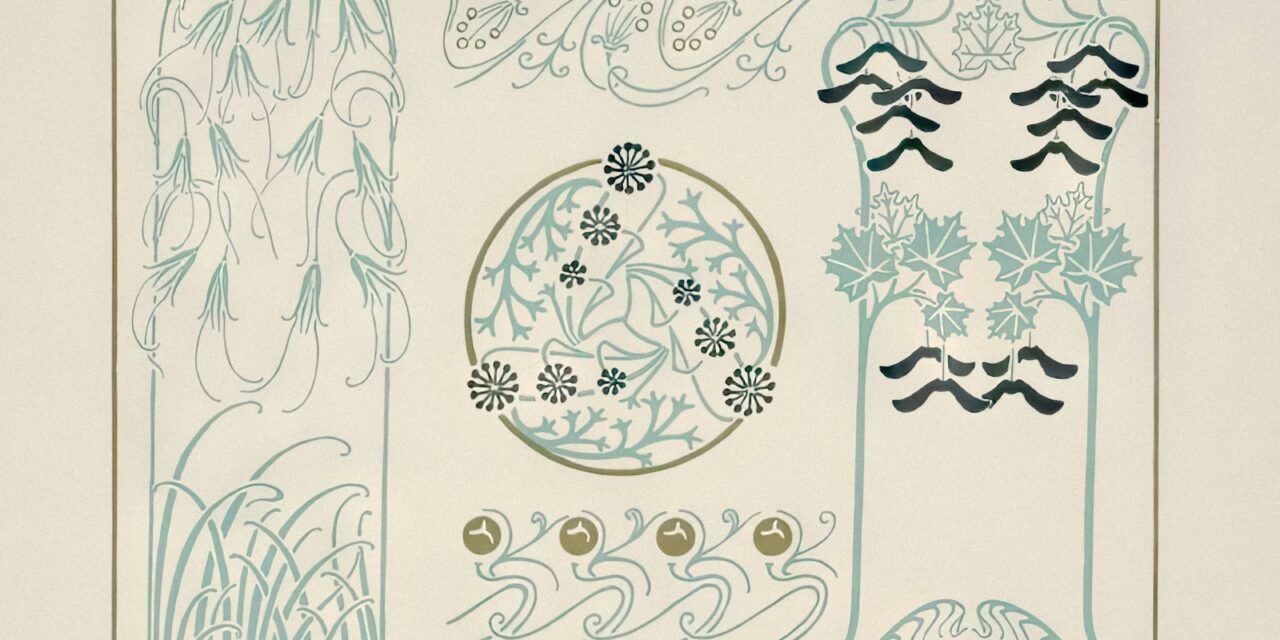
The Mucha style is instantly recognisable, characterised by its elegant lines and elaborate ornamentation. One of the most notable features of Mucha’s work is his use of flowing curves and sinuous forms, which create a sense of movement and dynamism. This fluidity is often complemented by intricate patterns and decorative elements that enhance the overall composition. Mucha’s mastery of colour is also noteworthy; he employed a soft yet vibrant palette that imbued his works with a sense of warmth and vitality.
Another defining characteristic of the Mucha style is the incorporation of female figures, often depicted as ethereal and idealised representations of beauty. These figures are frequently surrounded by floral motifs and natural elements, reinforcing the connection between humanity and nature. Mucha’s ability to convey emotion through facial expressions and body language adds depth to his work, inviting viewers to engage with the narratives he presents. The combination of these elements creates a harmonious visual language that resonates with audiences across generations.
The Mucha Legacy: Impact on Art Nouveau
Mucha’s contributions to the Art Nouveau movement cannot be overstated. His innovative approach to design and illustration helped to define the aesthetic of the era, influencing countless artists and designers who followed in his footsteps. Mucha’s work transcended traditional boundaries between fine art and commercial design, demonstrating that art could be both beautiful and functional. His posters, in particular, became iconic representations of the Art Nouveau style, showcasing the potential for graphic design to elevate everyday life.
The impact of Mucha’s work extended beyond the confines of the Art Nouveau movement; it also played a significant role in shaping modern graphic design. His emphasis on typography and layout in poster design set new standards for visual communication. The integration of text and image in a cohesive manner became a hallmark of modern advertising, paving the way for future generations of designers. Mucha’s legacy is evident in contemporary design practices that continue to draw inspiration from his unique blend of artistry and commercial appeal.
For those interested in exploring the intricate world of Alphonse Mucha, a related article on the importance of balancing positive and negative space can provide valuable insights into his artistic techniques. Understanding how Mucha utilised these elements can enhance one’s appreciation of his work and its visual impact. You can read more about this concept in the article here, which delves into how artists create harmony in their compositions.
Mucha’s Most Famous Works
Among Mucha’s extensive body of work, several pieces stand out as particularly iconic. One such work is “Gismonda,” created in 1894 for a theatrical production starring Sarah Bernhardt. This poster not only catapulted Mucha to fame but also established him as a leading figure in the Art Nouveau movement. The striking composition features Bernhardt as a powerful figure draped in flowing garments, surrounded by intricate floral designs that enhance her ethereal presence.
Another notable work is “The Seasons,” a series of four panels representing spring, summer, autumn, and winter. Each panel showcases Mucha’s signature style, with graceful female figures embodying the essence of each season. The series exemplifies his ability to blend natural elements with human form, creating a harmonious visual narrative that resonates with viewers. Additionally, “The Slav Epic,” a monumental series of paintings celebrating Slavic history and culture, further solidifies Mucha’s status as a cultural icon. This ambitious project reflects his deep commitment to his heritage and showcases his artistic prowess on a grand scale.
Mucha’s Collaborations and Commissions
Throughout his career, Mucha engaged in numerous collaborations and commissions that allowed him to explore various artistic avenues. His partnership with Sarah Bernhardt proved particularly fruitful; not only did he create posters for her theatrical productions, but he also designed sets and costumes that complemented her performances. This collaboration not only elevated Bernhardt’s productions but also solidified Mucha’s reputation as a versatile artist capable of working across different mediums.
In addition to theatrical commissions, Mucha also collaborated with various businesses and organisations to create promotional materials that showcased his distinctive style. His work for companies such as Job cigarette papers and Moët & Chandon champagne exemplifies how he seamlessly integrated art into commercial contexts. These collaborations not only expanded his reach as an artist but also demonstrated the potential for art to enhance branding and marketing efforts.
Mucha’s Later Years and Legacy
In the latter part of his life, Mucha returned to Czechoslovakia after spending several years in Paris. He became increasingly involved in promoting Czech culture and nationalism during this period, using his art as a means of advocating for independence and cultural identity. His later works often reflected this commitment to his homeland, incorporating themes that celebrated Slavic heritage and history.
Mucha’s legacy endures long after his passing on July 14, 1939. His influence can be seen not only in the realm of graphic design but also in various artistic movements that followed him. The revival of interest in Art Nouveau in recent decades has led to a renewed appreciation for Mucha’s contributions to the art world. Museums around the globe continue to showcase his work, ensuring that future generations will recognise the significance of this remarkable artist.
Mucha’s Influence on Modern Art
Mucha’s impact on modern art is profound and far-reaching. His innovative approach to design has inspired countless artists across various disciplines, from graphic design to illustration and beyond. The principles he established regarding composition, colour theory, and the integration of text with imagery continue to resonate with contemporary creators seeking to push the boundaries of visual communication.
Moreover, Mucha’s celebration of beauty and craftsmanship has influenced movements such as the Arts and Crafts movement and contemporary design aesthetics that prioritise artisanal quality over mass production. His ability to infuse emotion into his work has also inspired modern artists who seek to convey deeper narratives through their creations. As we look at the landscape of contemporary art today, it is clear that Alfons Mucha’s legacy remains alive and vibrant, reminding us of the enduring power of beauty in art.
FAQs
Who was Alphonse Mucha?
Alphonse Mucha was a Czech artist known for his distinctive Art Nouveau style, which was popular in the late 19th and early 20th centuries. He was a painter, illustrator, and designer, and is best known for his iconic posters, particularly those featuring the actress Sarah Bernhardt.
What is Art Nouveau?
Art Nouveau was an international style of art, architecture, and design that was popular from the 1890s to the early 1910s. It is characterized by its use of organic, flowing lines, and motifs inspired by nature, as well as its emphasis on decorative arts and craftsmanship.
What are some of Alphonse Mucha’s most famous works?
Some of Alphonse Mucha’s most famous works include his posters for Sarah Bernhardt, such as “Gismonda” and “La Dame aux Camelias,” as well as his decorative panels “The Seasons” and “The Arts: Dance, Poetry, Music, Painting.”
What influence did Alphonse Mucha have on the art world?
Alphonse Mucha’s Art Nouveau style had a significant impact on the art world, influencing not only visual arts but also architecture, interior design, and fashion. His use of decorative motifs and flowing lines continues to inspire artists and designers to this day.
Where can I see Alphonse Mucha’s work?
Alphonse Mucha’s work can be found in museums and galleries around the world, including the Mucha Museum in Prague, the Musée d’Orsay in Paris, and the Victoria and Albert Museum in London. Additionally, his iconic posters are often reproduced and can be found in art books and online collections.