Egon Schiele was born on June 12, 1890, in Tulln, a small town in Austria, situated along the banks of the Danube River. His early life was marked by a complex family dynamic; his father, a railway official, passed away when Schiele was just 15 years old, leaving a profound impact on his psyche. This loss, coupled with a somewhat strained relationship with his mother, who was often described as overbearing, contributed to the artist’s tumultuous emotional landscape. Schiele’s childhood was steeped in the natural beauty of the Austrian countryside, which would later serve as a backdrop for many of his works. His artistic inclinations were evident from a young age, and he pursued formal education at the Akademie der Bildenden Künste in Vienna, where he enrolled in 1906.
At the academy, Schiele was exposed to a variety of artistic styles and philosophies. However, he found the traditional teaching methods stifling and often clashed with his instructors. This tension spurred him to seek inspiration outside the confines of the academy. He became enamoured with the works of contemporary artists such as Gustav Klimt and the broader Symbolist movement, which encouraged personal expression and emotional depth. Schiele’s education was not merely academic; it was a crucible that forged his unique artistic voice, one that would later challenge societal norms and conventions.
Egon Schiele, renowned for his expressive and emotive style, often explored themes of identity and the human condition in his artwork. His life story, marked by both personal struggles and artistic brilliance, is a testament to the power of creativity. For those interested in enhancing their own artistic skills, a related article on creating rich textures in oil using palette knife techniques can provide valuable insights. You can read more about these techniques in the article here: Creating Rich Textures in Oil: Palette Knife Techniques.
Influences and Artistic Development
Schiele’s artistic development was significantly shaped by the cultural milieu of early 20th-century Vienna, a city teeming with intellectual and artistic innovation. The influence of the Vienna Secession movement, which sought to break away from traditional artistic constraints, resonated deeply with Schiele. He was particularly drawn to Klimt’s emphasis on symbolism and eroticism, which would later permeate his own work. Additionally, the writings of philosophers such as Friedrich Nietzsche and Sigmund Freud provided a philosophical framework that informed Schiele’s exploration of human psychology and sexuality in his art.
As Schiele honed his skills, he began to experiment with form and colour in ways that were both radical and personal. His early works displayed a fascination with the human figure, often rendered in distorted proportions that conveyed emotional intensity rather than realistic representation. This departure from traditional aesthetics marked the beginning of his distinctive style, characterised by bold lines and vivid colours. The influence of Expressionism became increasingly apparent as he sought to express raw emotion through his art, leading him to develop a visual language that was both provocative and deeply introspective.
The Vienna Secession and the Wiener Werkstätte
The Vienna Secession was a pivotal movement in Schiele’s career, providing him with a platform to showcase his work alongside other avant-garde artists. Founded in 1897 by Klimt and others, the Secession aimed to promote innovative art that broke away from established norms. Schiele’s participation in exhibitions organised by this group allowed him to gain recognition and connect with like-minded artists who shared his vision for a new artistic direction. The Secession’s emphasis on individuality and emotional expression resonated with Schiele’s own artistic philosophy, encouraging him to push boundaries further.
In addition to the Secession, Schiele was influenced by the Wiener Werkstätte, an association of artists and craftsmen dedicated to creating functional art that combined beauty with utility. This movement emphasised the importance of design in everyday life and sought to elevate applied arts to the level of fine arts. Schiele’s exposure to this ethos encouraged him to explore various mediums beyond painting, including printmaking and drawing. The interplay between fine art and design in Vienna during this period profoundly shaped Schiele’s approach to composition and aesthetics, leading him to create works that were not only visually striking but also conceptually rich.
Personal Life and Controversies
Schiele’s personal life was as tumultuous as his artistic career, marked by passionate relationships and societal controversies. His intense emotional experiences often found their way into his art, reflecting his struggles with love, desire, and identity. One of the most significant relationships in his life was with Wally Neuzil, a model and muse who inspired many of his most famous works. Their relationship was fraught with tension and passion, mirroring the themes of longing and despair that permeated Schiele’s oeuvre. However, their love affair also drew criticism from society, as it challenged conventional norms regarding sexuality and relationships.
Controversy followed Schiele throughout his career, particularly due to the provocative nature of his work. His depictions of nudes and erotic themes often sparked outrage among conservative audiences. In 1912, he faced legal troubles when he was arrested for allegedly corrupting minors through his art. This incident not only highlighted the societal tensions surrounding sexuality but also underscored Schiele’s role as a provocateur within the art world. Despite these challenges, or perhaps because of them, Schiele remained steadfast in his commitment to exploring themes that others deemed taboo.
Egon Schiele, known for his raw and emotive style, often explored themes of existentialism and the human condition in his work. His life story is intricately tied to the broader context of early 20th-century art, which also saw the emergence of other influential figures. For instance, the dramatic and powerful painting “The Raft of the Medusa” by Théodore Géricault serves as a poignant example of how artists grappled with human suffering and societal issues during that era. To delve deeper into this fascinating period, you can read more about Géricault’s masterpiece in this article on The Raft of the Medusa.
The Expressionist Movement and Schiele’s Unique Style
Egon Schiele is often regarded as one of the foremost figures of the Expressionist movement, which sought to convey emotional experience rather than physical reality. His unique style is characterised by its raw intensity and psychological depth, employing distorted forms and vivid colours to evoke powerful emotions. Unlike many of his contemporaries who adhered to more traditional representations of beauty, Schiele embraced imperfection and vulnerability in his subjects. This approach allowed him to delve into the complexities of human existence, exploring themes such as isolation, desire, and existential angst.
Schiele’s use of line is particularly noteworthy; he employed bold contours that often exaggerated anatomical features to convey emotional states. This technique not only set him apart from other artists but also created a sense of immediacy in his work. His figures often appear contorted or in dynamic poses, reflecting inner turmoil or ecstatic joy. This emphasis on movement and expression over realism is a hallmark of Expressionism and serves as a testament to Schiele’s innovative spirit. His ability to capture the essence of human emotion through abstraction has left an indelible mark on the art world.
Collaboration with Gustav Klimt
The relationship between Egon Schiele and Gustav Klimt was one of mutual admiration and influence that significantly impacted both artists’ careers. Klimt, already an established figure in the Viennese art scene when Schiele emerged as a young artist, served as both a mentor and an inspiration for Schiele. Their collaboration extended beyond mere friendship; it was a creative exchange that allowed Schiele to explore new ideas while grounding him in the rich tradition of Viennese art.
Klimt’s emphasis on decorative elements and symbolism resonated deeply with Schiele, who sought to incorporate these aspects into his own work while maintaining his distinct voice. The two artists shared an interest in exploring themes of sexuality and identity, often pushing societal boundaries through their art. Their interactions fostered an environment where experimentation flourished; Klimt encouraged Schiele to embrace his individuality while also challenging him to refine his technique. This collaboration ultimately enriched Schiele’s artistic development and solidified his place within the avant-garde movement.
The Krumau Period and Rural Landscapes
The Krumau period marked a significant turning point in Schiele’s artistic journey as he retreated from urban life to the serene landscapes of rural Austria. In 1911, he moved to Krumau (now Český Krumlov in the Czech Republic), where he found inspiration in the natural beauty surrounding him. This period allowed him to explore themes of solitude and introspection while also experimenting with landscape painting—a departure from his earlier focus on figure studies.
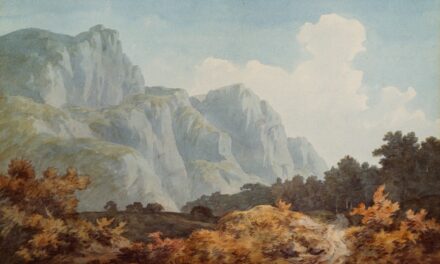
In Krumau, Schiele produced a series of landscapes that captured the essence of the region’s rolling hills and tranquil rivers. These works are characterised by their vibrant colours and expressive brushwork, reflecting both the beauty of nature and Schiele’s emotional state during this time. The rural setting provided him with a sense of peace that contrasted sharply with the chaos of urban life, allowing him to delve deeper into his artistic exploration. The landscapes from this period reveal a softer side of Schiele’s artistry while still retaining the emotional intensity that defines much of his work.
Schiele’s Portraits and Self-Portraits
Egon Schiele is perhaps best known for his striking portraits and self-portraits that delve into the complexities of identity and self-perception. His approach to portraiture is marked by an unflinching honesty; he often depicted his subjects with exaggerated features or unconventional poses that revealed their inner turmoil or vulnerability. This departure from traditional portraiture allowed Schiele to explore themes of alienation and existential angst while challenging societal norms regarding beauty.
Self-portraits played a particularly significant role in Schiele’s oeuvre, serving as both an exploration of self-identity and a means of confronting his own insecurities. Through these works, he grappled with notions of masculinity, sexuality, and mortality—topics that were deeply personal yet universally resonant. His self-portraits often feature stark contrasts between light and shadow, enhancing the emotional weight of each piece. By laying bare his own struggles through these intimate depictions, Schiele created a powerful dialogue between artist and viewer that continues to captivate audiences today.
The Nude and Controversial Works
Schiele’s exploration of nudity is one of the most controversial aspects of his work, often eliciting strong reactions from critics and audiences alike. His depictions of the human form are characterised by their rawness and emotional intensity; he sought to capture not just physical beauty but also the psychological complexities inherent in human sexuality. This approach challenged conventional representations of nudity in art, which often idealised or objectified the body.
Many of Schiele’s nude studies feature contorted poses or exaggerated anatomical features that convey a sense of vulnerability or discomfort rather than mere eroticism. This focus on emotional truth over aesthetic perfection set him apart from many artists of his time who adhered to more traditional standards of beauty. As a result, Schiele’s work often sparked outrage among conservative audiences who deemed it immoral or indecent. However, it is precisely this willingness to confront taboo subjects that has solidified Schiele’s legacy as a pioneering figure in modern art.
Tragedy and Legacy
Tragedy marked both Schiele’s life and career; he faced numerous personal challenges throughout his short existence before succumbing to influenza at the age of 28 during the 1918 pandemic. His untimely death cut short what many believe could have been an even more prolific career had he lived longer. Despite this brevity, Schiele left behind an extraordinary body of work that continues to resonate with audiences today.
His legacy is one defined by innovation; he pushed boundaries within art while exploring themes that remain relevant across generations—identity, sexuality, isolation—making him an enduring figure within modern art history. The emotional depth present in his work invites viewers into an intimate dialogue about their own experiences while challenging societal norms surrounding beauty and expression.
Schiele’s Impact on Modern Art
Egon Schiele’s impact on modern art cannot be overstated; he is often regarded as one of the pioneers of Expressionism whose influence extends far beyond his lifetime. His innovative approach to form, colour, and subject matter paved the way for future generations of artists seeking to explore emotional depth through abstraction rather than realism. The raw intensity present in his work has inspired countless artists across various movements—from German Expressionism to contemporary art practices—who continue to grapple with similar themes.
Moreover, Schiele’s willingness to confront taboo subjects such as sexuality has opened doors for discussions around representation within art that persist today. His legacy serves as a reminder that art can be both personal and political—a powerful tool for self-expression capable of challenging societal norms while fostering empathy among viewers. As we reflect on Egon Schiele’s contributions to modern art history, it becomes clear that his work remains not only relevant but essential in understanding our shared human experience.
FAQs
Who was Egon Schiele?
Egon Schiele was an Austrian painter known for his expressive and provocative style. He was a prominent figure in the Vienna Secession movement and is considered one of the leading figures of Austrian Expressionism.
What were Egon Schiele’s major artistic influences?
Egon Schiele was heavily influenced by the work of Gustav Klimt, as well as the Symbolist and Art Nouveau movements. He also drew inspiration from the human form and often depicted raw and emotive portrayals of the human body.
What were some of Egon Schiele’s most famous works?
Some of Egon Schiele’s most famous works include “The Self-Seer”, “The Embrace”, and “Portrait of Wally”. His paintings often featured distorted and elongated figures, reflecting his unique and expressive style.
What was Egon Schiele’s personal life like?
Egon Schiele led a tumultuous personal life, marked by scandal and controversy. He had a brief and intense relationship with his mentor Gustav Klimt’s muse, Wally Neuzil, and was known for his provocative and sexually charged artwork.
What was Egon Schiele’s legacy in the art world?
Egon Schiele’s work continues to be celebrated for its raw emotion and bold expression. Despite his short life, his impact on the art world has been significant, and his paintings are highly sought after by collectors and art enthusiasts.