George Morland: A Palette of Promise and Peril
George Morland (1763-1804) was a figure of undeniable talent within late 18th-century English art, yet his life was as turbulent and complex as the burgeoning social landscape in which he operated. While celebrated for his rustic scenes, genre paintings, and depictions of humble country life, his personal conduct frequently overshadowed his artistic accomplishments, creating a narrative of squandered potential and tragic decline. He remains an intriguing case study in the intersection of prodigious ability, societal pressures, and the destructive nature of addiction.
Morland’s artistic inclinations were nurtured from his earliest years, a consequence of his lineage and environment. Born in London into a family steeped in artistic practice, his destiny seemed almost preordained.
A Family of Artists
His father, Henry Robert Morland, was a painter, engraver, and picture restorer, known particularly for his mezzotints and genre scenes. His grandfather, George Henry Morland, was also an artist. This familial immersion meant that George was exposed to the tools and techniques of the trade from infancy. The pungent smell of linseed oil and turpentine, the tactile sensation of brushes and canvases, were the very fabric of his childhood.
Childhood Training and Precocity
Henry Robert, recognizing his son’s innate talent, began to train George from a remarkably young age. This intense apprenticeship, while undoubtedly fostering his skills, also laid the groundwork for future resentment. It is said that George was drawing competently by the age of four and exhibiting astonishing proficiency by ten. His early works, often copies after Dutch and Flemish masters, demonstrated a remarkable understanding of form, light, and composition. His father would often exhibit these early drawings and paintings, sometimes even selling them under his own name, a practice that, while perhaps intended to promote his son, undoubtedly fostered a sense of being exploited rather than supported.
Early Public Recognition
By his teenage years, Morland’s talent was widely acknowledged. He exhibited at the Royal Academy from the age of ten, an almost unheard-of feat. His early works, often small and finely detailed, attracted the attention of connoisseurs and collectors. This early success, however, also exposed him to the temptations of an adult world and the pressures of sustained expectation. The transition from child prodigy to professional artist, often fraught for many, proved particularly challenging for Morland.
George Morland, a prominent British artist known for his evocative landscapes and animal scenes, has a fascinating life story that reflects the complexities of his time. His ability to capture the essence of rural life and the natural world has left a lasting impact on the art community. For those interested in exploring the techniques that can enhance artistic composition, a related article on framing and cropping can provide valuable insights. You can read more about these concepts in the article available at Framing and Cropping: Composing Dynamic Scenes.
The Ascendance of a Popular Painter
As Morland matured, so did his artistic voice. He moved beyond mere imitation and began to develop the distinctive style for which he is best remembered.
Developing a Signature Style
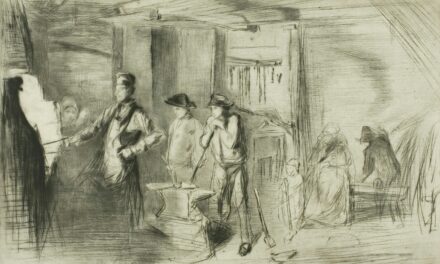
Morland’s artistic output largely focused on rural genre scenes, often featuring farm animals, rustic figures, and picturesque landscapes. He was drawn to the unsentimental realities of country life, depicting carters, smugglers, fishermen, stable boys, and gypsies with an empathetic eye. His animal portraiture, particularly of horses, pigs, and sheep, is especially notable for its vitality and anatomical accuracy. These were not idealized Arcadian visions, but rather honest, sometimes gritty, portrayals of everyday existence. He embraced a palette of earthy tones, warm browns, and muted greens, often employing a rich impasto that gave his paintings a tangible quality.
Patronage and Commercial Success
During the 1780s and 1790s, Morland achieved significant commercial success. His works were highly sought after, readily purchased by a rising middle class eager for art that reflected their domestic sensibilities and an idealised vision of rural England. Engravers quickly capitalized on the popularity of his paintings, producing numerous prints that further disseminated his work and made him a household name. This period saw him producing a vast quantity of work, maintaining a prolific output that speaks to both his talent and the constant demand for his art. His subjects, often sentimental or reassuringly familiar, resonated with a public seeking solace from the rapid social and industrial changes of the era.
Important Works and Themes
Key works from this period include “The Benevolent Sportsman,” “The Comforts of Industry,” “The Pleasures of Idleness,” and numerous scenes of pigs, donkeys, and horses. His depictions of poor children, such as “The Children of the Wood,” also garnered much attention for their tender pathos. He was one of the first British artists to consistently depict working-class life without condescension or caricature, lending dignity to the ordinary. He effectively captured the mood and atmosphere of the English countryside, from bustling inns to quiet village lanes, often imbuing his scenes with a narrative quality.
A Life of Dissipation and Debt
Despite his artistic triumphs, Morland’s personal life was characterized by escalating struggles and self-destructive tendencies. His meteoric rise was mirrored by an equally rapid descent into financial ruin and chronic ill-health.
Marriage and Its Consequences
In 1786, Morland married Anne Ward, the sister of the prominent engravers William and James Ward. Anne was also an artist, exhibiting at the Royal Academy. While initially a period of domestic stability, the marriage soon faced the strain of Morland’s increasingly erratic behaviour. His brother-in-law, William Ward, became a primary engraver of his work, highlighting the intertwined nature of their professional and personal lives. However, marital harmony was frequently disrupted by Morland’s nocturnal excursions and profligate spending.
Mounting Debts and Erratic Behaviour
Morland’s earnings, though substantial, were consistently outstripped by his extravagant lifestyle. He developed habits of heavy drinking and gambling, frequently associating with low company in taverns and public houses. He would often paint at these establishments to settle debts or pay for his next round of drinks, producing rapid, sometimes hurried, works. His studios were chaotic, often filled with animals that served as his models, but also with disreputable characters and ever-present creditors. He was constantly on the move, fleeing from bailiffs and attempting to evade financial responsibility. This nomadic existence, shifting from one lodging to another, was detrimental to his health and mental well-being.
The Influence of Alcohol and Addiction
Alcohol played a pervasive and ultimately destructive role in Morland’s life. What likely began as social drinking spiralled into full-blown alcoholism. This addiction fueled his erratic behaviour, impaired his judgment, and severely damaged his health. He frequently painted under the influence, a testament to his innate ability but also a tragic indicator of his dependency. His life became a vicious cycle of painting furiously to earn money, only to squander it on drink and gambling, leading to further debt and more frantic painting. The constant pressure of creditors and his own destructive habits created an environment ripe for exploitation by those around him.
The Tragic Decline
The latter years of Morland’s life were a chronicle of increasing hardship, marked by ill-health, imprisonment, and a relentless pursuit by his creditors.
Imprisonment and Further Hardship
By the late 1790s, Morland’s financial situation became untenable. He was repeatedly arrested for debt and, in 1799, he was incarcerated in a debtors’ prison. While periods of leniency allowed him to paint to pay off his debts, the experience was undoubtedly humiliating and deeply damaging to his already fragile health. Even within the confines of prison, his artistic drive, though diminished, persisted. He continued to paint, driven by necessity and perhaps a residual love for his craft, but the quality of his work often suffered from the urgency and lack of ideal conditions. His physical appearance deteriorated, mirroring the decline in his personal circumstances.
Exploitation and Artistic Decline
During this period, Morland became increasingly vulnerable to exploitation. Opportunistic dealers and publicans would provide him with drink and temporary shelter in exchange for paintings, often paying him paltry sums for work that would then fetch significant prices. This cycle further entrenched his dependency and prevented him from ever truly recovering his financial stability. While his fluency and skill never entirely left him, the hurried production and the influence of alcohol led to a noticeable decline in the subtlety and finish of many of his later works. The freshness and vitality that had characterized his earlier pieces often gave way to a coarser, more rushed execution.
Deteriorating Health
The years of heavy drinking, poor diet, and constant stress took an irreversible toll on Morland’s health. His body, once robust, began to fail him. He suffered from episodes of paralysis and increasingly debilitating illnesses. His physical and mental deterioration became painfully evident to those around him. The sparkle in his eye, the exuberance in his brushwork, gradually diminished, replaced by a weariness that often permeated his later canvases.
George Morland, a prominent British painter known for his evocative depictions of rural life and animals, has a fascinating life story that reflects the complexities of his artistic journey. His works often showcase a unique blend of realism and sentimentality, which has captivated art enthusiasts for generations. For those interested in exploring different artistic techniques that can complement an understanding of Morland’s style, you might find it enlightening to read about the innovative approach of rubbing art in this related article. This technique offers a fresh perspective on texture and form, much like Morland’s own exploration of the natural world.
Legacy and Re-evaluation
George Morland’s life was cut short at the age of 41, a consequence of his relentless self-destruction, yet his influence on British art is undeniable.
Death and Immediate Aftermath
Morland died in October 1804 at the age of 41, succumbing to what was described as a brain fever, exacerbated by his chronic alcoholism. His death was a tragic end to a life marked by both brilliance and self-sabotage. His wife, Anne Ward, died shortly after him, reportedly from grief, a poignant testament to the enduring, if turbulent, bond they shared. His passing sparked a wave of posthumous interest, with many memoirs and anecdotes appearing, often focusing on his eccentricities and tragic life rather than solely on his artistic merits.
Influence on British Art
Despite his personal failings, Morland left a significant mark on British art. He helped popularize rural genre painting and animal painting, subjects that would continue to be explored by later artists for decades. His empathetic portrayal of country life, without excessive sentimentality, offered an alternative to the grand historical or mythological canvases that dominated earlier art. He was a master colourist and observer of nature, and his technical skill, even when diminished in his later years, remained impressive. His work anticipated aspects of the Victorian era’s fondness for narrative genre scenes and animals as subjects.
Enduring Appeal and Re-evaluation
Morland’s works continue to hold appeal for collectors and art historians. His best pieces exhibit a freshness and vitality that few of his contemporaries could match. While his life story is often romanticized or cautionary, art historical scholarship has moved beyond merely recounting his personal failings to a more nuanced appreciation of his artistic achievements. He is now recognised not just as a dissolute painter, but as a significant figure who captured the essence of English rural life at a pivotal moment in its history, bridging the gap between Rococo elegance and the developing realism of the 19th century. His life remains a compelling narrative, a testament to the complexities of artistic genius intertwined with human frailty.
FAQs
Who was George Morland?
George Morland was an English painter known for his rural and rustic scenes, as well as his troubled personal life. He lived from 1763 to 1804 and was considered a prodigy in his early years.
What was George Morland known for?
George Morland was known for his paintings of rural and domestic scenes, often featuring animals and people engaged in everyday activities. He was also known for his tumultuous personal life, which included financial troubles and alcoholism.
What style of painting did George Morland use?
George Morland was known for his use of the “picturesque” style, which emphasized the beauty of the countryside and rural life. He often depicted scenes of farmyards, cottages, and animals, and his work was popular with the middle and lower classes.
What impact did George Morland have on the art world?
George Morland’s work had a significant impact on the art world, particularly in the 18th and 19th centuries. His paintings were widely popular and influential, and he was considered one of the leading British artists of his time.
What is George Morland’s legacy?
George Morland’s legacy is that of a talented and troubled artist whose work continues to be admired and studied. Despite his personal struggles, his paintings remain highly regarded for their skillful depictions of rural life and the English countryside.