Jacob Maris was born on February 24, 1837, in The Hague, Netherlands, into a family that would significantly influence his artistic journey. His father, a successful painter and lithographer, provided an environment rich in artistic exposure. From a young age, Jacob was surrounded by the vibrant world of art, which undoubtedly shaped his aspirations. His early education was marked by a keen interest in drawing, and he began to develop his skills under the guidance of his father. This familial connection to the arts not only nurtured his talent but also instilled in him a profound appreciation for the craft.
As a young man, Maris pursued formal education at the Royal Academy of Art in The Hague. Here, he was exposed to a rigorous curriculum that emphasised both technical skill and artistic expression. The academy’s environment fostered creativity and encouraged students to explore various styles and techniques. Maris thrived in this setting, absorbing knowledge from his instructors and fellow students alike. His time at the academy laid the foundation for his future endeavours, equipping him with the tools necessary to navigate the evolving landscape of 19th-century art.
The life story of the artist Jacob Maris is intricately connected to the broader context of 19th-century Dutch painting, which is explored in detail in a related article. This piece delves into the artistic legacy of the Hague School and its influence on subsequent generations of artists, providing valuable insights into Maris’s contributions and the environment in which he thrived. For a deeper understanding of this artistic movement and its significance, you can read more in the article available at Artistic Legacy.
The Hague School and Influence
Jacob Maris is often associated with the Hague School, a movement that emerged in the late 19th century, characterised by its focus on naturalism and the depiction of everyday life. This school sought to capture the essence of Dutch landscapes and the lives of ordinary people, moving away from the grand historical themes that had dominated earlier art. Maris, along with his contemporaries such as Anton Mauve and Willem de Zwart, embraced this ethos, finding beauty in the mundane and celebrating the subtleties of light and atmosphere.
The influence of the Hague School on Maris’s work is evident in his choice of subjects and his approach to colour and composition. He often painted scenes of rural life, landscapes, and intimate moments that resonated with viewers on a personal level. The emphasis on natural light and its effects on colour became a hallmark of his style. Maris’s ability to convey emotion through his depictions of everyday scenes set him apart from many of his peers, allowing him to carve out a unique niche within the broader movement.
Travels and Inspirations
Throughout his career, Jacob Maris embarked on numerous travels that profoundly impacted his artistic vision. His journeys took him across Europe, exposing him to diverse cultures and artistic traditions. Notably, he spent time in France, where he encountered the burgeoning Impressionist movement. The vibrant colours and innovative techniques employed by artists such as Claude Monet and Pierre-Auguste Renoir left an indelible mark on Maris’s work. He began to experiment with brushwork and colour palettes that reflected the influences he absorbed during these travels.
In addition to France, Maris found inspiration in the picturesque landscapes of Italy and Belgium. The serene beauty of these regions resonated with him, prompting him to capture their essence on canvas. His travels not only enriched his artistic repertoire but also allowed him to forge connections with other artists across Europe. These interactions fostered a spirit of collaboration and exchange that would further shape his artistic identity.
Jacob Maris’ Unique Style
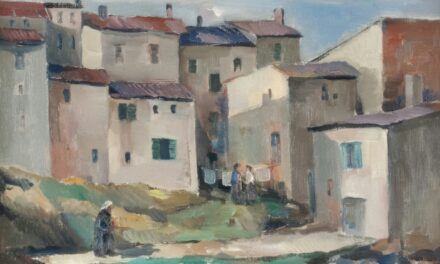
Jacob Maris developed a distinctive style that set him apart from his contemporaries within the Hague School. His approach to painting was characterised by a masterful use of colour and light, which he employed to evoke mood and atmosphere in his works. Unlike some of his peers who adhered strictly to realism, Maris embraced a more expressive interpretation of his subjects. This allowed him to infuse his paintings with a sense of emotion that resonated deeply with viewers.
One of the defining features of Maris’s style was his innovative brushwork. He often employed loose, fluid strokes that created a sense of movement and dynamism within his compositions. This technique not only added depth to his landscapes but also conveyed the transient nature of light and shadow. Maris’s ability to capture the ephemeral qualities of nature became a hallmark of his work, inviting viewers to experience the world through his eyes.
Jacob Maris, a prominent figure in the Dutch landscape painting movement, is often celebrated for his evocative use of colour and light. His life story reveals not only his artistic evolution but also the influences that shaped his work. For those interested in exploring the tools that artists like Maris used to create their masterpieces, a fascinating article on the importance of brushes in painting can be found here. This resource delves into the various types of brushes and techniques that have been pivotal in the development of art throughout history, complementing the understanding of Maris’s artistic journey.
Success and Recognition
As Jacob Maris’s career progressed, he garnered increasing recognition for his contributions to Dutch art. His participation in exhibitions both domestically and internationally showcased his talent to a broader audience. The acclaim he received at various exhibitions solidified his reputation as one of the leading figures within the Hague School. Critics praised his ability to capture the essence of Dutch landscapes with unparalleled sensitivity and skill.
Maris’s success extended beyond exhibitions; he also received numerous commissions from private collectors and institutions eager to acquire his works. This demand for his art not only provided financial stability but also affirmed his status as a prominent artist of his time. His paintings began to grace the walls of esteemed galleries, further cementing his legacy within the canon of Dutch art history.
Family and Personal Life
Jacob Maris’s personal life was intertwined with his artistic pursuits, as he married fellow artist Marie de Vries in 1864. Their partnership was marked by mutual support and encouragement, fostering an environment conducive to creativity. Together, they navigated the challenges of being artists in a competitive landscape while raising their family. Their home became a hub for artistic discourse, attracting fellow artists and intellectuals who shared their passion for art.
Despite the demands of family life, Maris remained dedicated to his craft. He often sought solace in nature, using it as both inspiration and refuge from the pressures of daily life. This connection to nature not only informed his artistic practice but also provided him with a sense of balance amidst the chaos of family responsibilities. The interplay between his personal life and artistic endeavours enriched both aspects, allowing him to draw from his experiences as he created.
Legacy and Influence on Dutch Art
Jacob Maris’s legacy is firmly entrenched in the history of Dutch art, particularly within the context of the Hague School. His innovative approach to colour, light, and composition influenced subsequent generations of artists who sought to capture the beauty of everyday life. Maris’s ability to convey emotion through landscape painting inspired many who followed in his footsteps, encouraging them to explore their own interpretations of nature.
Moreover, Maris’s contributions extended beyond his own work; he played a pivotal role in shaping the direction of Dutch art during a transformative period. His emphasis on naturalism and emotional resonance paved the way for future movements that sought to explore similar themes. As art continued to evolve throughout the 20th century, Maris’s influence remained palpable, reminding artists of the power inherent in capturing the world around them.
Notable Works and Exhibitions
Throughout his prolific career, Jacob Maris produced numerous notable works that exemplified his unique style and artistic vision. One such piece is “The Beach at Scheveningen,” which captures the essence of coastal life with its vibrant colours and dynamic brushwork. This painting exemplifies Maris’s ability to convey movement and atmosphere while celebrating the beauty of everyday moments.
Maris’s works were frequently exhibited at prestigious venues such as the Royal Academy in Amsterdam and various international exhibitions across Europe. These exhibitions provided him with opportunities to showcase his talent alongside other prominent artists of the time. His participation in these events not only elevated his profile but also contributed to the broader recognition of Dutch art on an international stage.
Challenges and Setbacks
Despite his success, Jacob Maris faced challenges throughout his career that tested his resilience as an artist. The competitive nature of the art world often posed obstacles, as emerging artists sought recognition alongside established figures like himself. Additionally, personal struggles, including health issues and financial pressures, occasionally hindered his creative output.
However, Maris’s determination allowed him to navigate these setbacks with grace. He continued to evolve as an artist, using adversity as fuel for growth rather than allowing it to stifle his creativity. This tenacity not only contributed to his artistic development but also served as an inspiration for others facing similar challenges within their own creative journeys.
Collaborations and Relationships with Other Artists
Throughout his career, Jacob Maris cultivated relationships with fellow artists that enriched both his personal life and artistic practice. He formed close bonds with members of the Hague School, engaging in collaborative projects that fostered a spirit of camaraderie among artists dedicated to similar ideals. These relationships provided opportunities for dialogue and exchange, allowing them to share insights into their respective techniques and approaches.
Maris also collaborated with artists outside of the Hague School, broadening his artistic horizons through these interactions. His friendships with figures such as Vincent van Gogh and Paul Gauguin exemplified this willingness to engage with diverse perspectives within the art community. These collaborations not only influenced Maris’s work but also contributed to a sense of unity among artists striving for innovation during a period marked by significant change.
Honors and Awards
Jacob Maris’s contributions to art did not go unnoticed; throughout his career, he received numerous honours and awards that recognised his talent and dedication. His participation in prestigious exhibitions often resulted in accolades that affirmed his status as a leading figure within Dutch art. These recognitions served not only as validation for Maris but also as encouragement for aspiring artists who looked up to him as a role model.
In addition to exhibition awards, Maris was honoured by various institutions for his contributions to cultural heritage in the Netherlands. These accolades underscored not only his artistic achievements but also highlighted the importance of preserving artistic traditions for future generations. As an artist who dedicated himself to capturing the beauty of everyday life through paint, Jacob Maris left an indelible mark on both Dutch art history and the broader narrative of European art movements.
FAQs
Who was Jacob Maris?
Jacob Maris was a Dutch artist born in 1837 and known for his landscape and genre paintings. He was part of the Hague School, a group of artists who were influenced by the Barbizon School and focused on realistic depictions of rural life.
What were Jacob Maris’s major artistic achievements?
Jacob Maris is best known for his atmospheric landscapes, particularly his views of the Dutch countryside and seascapes. He also painted genre scenes and cityscapes, and was highly regarded for his use of light and shadow in his work.
What was Jacob Maris’s artistic style?
Jacob Maris’s artistic style was influenced by the Barbizon School and the Hague School, and he was known for his use of loose brushwork and a muted color palette. His paintings often depicted everyday scenes with a sense of tranquility and harmony.
What impact did Jacob Maris have on the art world?
Jacob Maris was a prominent figure in the Hague School and played a significant role in the development of Dutch landscape painting. His work had a lasting impact on subsequent generations of artists, and he is considered one of the most important Dutch painters of the 19th century.
What is Jacob Maris’s legacy?
Jacob Maris’s legacy is evident in the continued appreciation of his work, which is held in major museum collections around the world. His influence on Dutch landscape painting and his contributions to the Hague School have secured his place in art history.