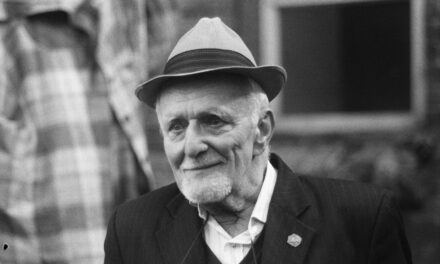
Jan Toorop was born on 20th December 1858 in Purworejo, Java, which was then part of the Dutch East Indies. His father, a Dutchman, was a civil servant, while his mother was of mixed Dutch and Javanese descent. This multicultural background would later influence Toorop’s artistic vision, as he navigated the complexities of identity and culture throughout his life. In 1869, when Toorop was just eleven years old, his family moved to the Netherlands, where he would spend the majority of his formative years. The transition from the lush landscapes of Java to the more austere environment of the Netherlands marked a significant turning point in his life, shaping both his worldview and artistic sensibilities.
Toorop’s education began in earnest when he enrolled at the Academy of Fine Arts in The Hague in 1875. Here, he honed his skills in drawing and painting, immersing himself in the techniques of the Old Masters. His early works were influenced by the realism that dominated the art scene at the time, but he soon began to explore more avant-garde styles. The exposure to various artistic movements during his studies, including Impressionism and Symbolism, would lay the groundwork for his later innovations. Toorop’s education was not merely confined to formal training; he also sought inspiration from the vibrant art community around him, engaging with fellow artists and intellectuals who would further shape his artistic journey.
Jan Toorop, a prominent figure in the Symbolist movement, is celebrated for his intricate and emotive artworks that often reflect themes of spirituality and identity. His life story is not only a testament to his artistic genius but also serves as an inspiration for contemporary artists. For those interested in preserving their own masterpieces, a related article on acrylic varnishing offers valuable insights into techniques that can help maintain the vibrancy and longevity of artwork. You can read more about it in this informative piece on acrylic varnishing: Acrylic Varnishing 101: Preserve Your Masterpiece.
Influences and Inspirations
Toorop’s artistic development was profoundly influenced by a myriad of sources, both personal and cultural. The duality of his heritage played a crucial role in shaping his perspective as an artist. The rich traditions of Javanese art and culture provided a unique lens through which he viewed Western art movements. This blend of Eastern and Western influences became a hallmark of his work, allowing him to create pieces that resonated with a diverse audience. Additionally, Toorop was inspired by the Symbolist movement, which sought to express deeper truths through metaphor and symbolism rather than mere representation. This philosophical approach encouraged him to delve into themes of spirituality, nature, and human emotion.
Moreover, Toorop was deeply affected by the works of contemporaries such as Vincent van Gogh and Paul Gauguin. Their bold use of colour and emotive brushwork inspired him to experiment with his own palette and techniques. The Symbolist poets and writers of the time also left an indelible mark on Toorop’s artistic vision. He found resonance in their exploration of the subconscious and the mystical aspects of existence. This confluence of influences allowed Toorop to carve out a distinctive niche within the art world, one that celebrated both his heritage and the broader currents of European art.
The Symbolist Movement
The Symbolist movement emerged in the late 19th century as a reaction against the constraints of realism and naturalism. Artists sought to convey emotions and ideas through symbolic imagery rather than direct representation. Jan Toorop became an integral part of this movement, using his art as a means to explore complex themes such as spirituality, love, and the human condition. His works often featured dreamlike landscapes and figures that evoked a sense of mystery and introspection. This approach allowed him to transcend mere visual representation, inviting viewers to engage with the deeper meanings embedded within his compositions.
Toorop’s participation in the Symbolist movement was not limited to his artistic output; he also engaged with its philosophical underpinnings. He was drawn to the idea that art could serve as a conduit for exploring the metaphysical aspects of existence. This belief is evident in works such as “The Three Stages of Woman,” where he depicted the life cycle of women through allegorical figures that embody innocence, experience, and wisdom. Such pieces exemplify Toorop’s ability to weave together personal narrative with broader existential themes, making him a significant figure within the Symbolist canon.
Toorop’s Unique Style
Jan Toorop’s artistic style is characterised by its distinctive blend of influences and techniques that set him apart from his contemporaries. His use of vibrant colours and intricate patterns reflects both his Javanese heritage and his engagement with European art movements. Toorop often employed a technique known as “pointillism,” where small dots of colour are applied to create a cohesive image when viewed from a distance. This method not only added depth to his works but also allowed for a dynamic interplay between light and shadow, enhancing the emotional resonance of his subjects.
In addition to his innovative use of colour, Toorop’s compositions frequently featured elongated forms and flowing lines that evoke a sense of movement and rhythm. This stylistic choice can be seen in works such as “The Dance,” where figures appear to swirl gracefully across the canvas, embodying both physicality and ethereality. His ability to merge decorative elements with profound thematic content resulted in a unique visual language that captivated audiences and critics alike. Through this synthesis of styles, Toorop established himself as a pioneering figure in the realm of Symbolism, leaving an indelible mark on the trajectory of modern art.
Jan Toorop, a prominent figure in the Symbolist movement, is known for his unique blend of influences that shaped his artistic journey. His life story is intricately tied to the evolution of art in the late 19th and early 20th centuries, reflecting the cultural shifts of his time. For those interested in exploring techniques that resonate with Toorop’s innovative spirit, an insightful article on using ink resist methods with masking fluid can provide valuable inspiration. You can read more about it here.
Family and Personal Life
Jan Toorop’s personal life was marked by both joy and tragedy, elements that would inevitably influence his artistic output. In 1886, he married Anna de Klerk, with whom he had two daughters. However, their marriage faced challenges, particularly due to Anna’s declining health. The emotional strain of her illness weighed heavily on Toorop, leading him to seek solace in his art as a means of coping with personal turmoil. This period of hardship is reflected in some of his more introspective works, where themes of loss and longing emerge prominently.
Despite these challenges, Toorop found moments of happiness within his family life. He often drew inspiration from his daughters, incorporating their innocence and vitality into his art. The interplay between familial bonds and artistic expression became a recurring motif in his work, allowing him to explore themes of love and connection amidst adversity. As he navigated the complexities of family life, Toorop’s experiences enriched his understanding of human emotion, ultimately informing the depth and nuance present in his artistic creations.
Jan Toorop, a prominent figure in the Symbolist movement, is celebrated for his unique ability to blend various artistic influences, creating a distinctive style that resonates with many. His life and work reflect a deep connection to the cultural currents of his time, much like the fascinating world of contemporary street art. For those interested in exploring how modern artists employ trompe-l’œil techniques to transform public spaces, a related article can be found here. This exploration of 3D chalk art highlights the ongoing evolution of artistic expression, echoing Toorop’s innovative spirit.
International Recognition
As Jan Toorop’s career progressed, he began to garner international recognition for his innovative approach to art. His participation in exhibitions across Europe showcased his unique style and thematic explorations, attracting attention from critics and collectors alike. Notably, he exhibited at prestigious venues such as the Salon des Artistes Français in Paris and the Venice Biennale, where his works were met with acclaim for their emotive power and technical prowess.
Toorop’s growing reputation also led to collaborations with other prominent artists and intellectuals of the time. He became involved with various artistic circles, including the influential Amsterdam-based group known as “De Stijl,” which sought to promote modernist ideals through abstraction and simplicity. This engagement not only solidified Toorop’s status within the art community but also allowed him to contribute to broader discussions about the future of art in an increasingly modern world.
Toorop’s Impact on Art
Jan Toorop’s contributions to the art world extend far beyond his individual works; he played a pivotal role in shaping the trajectory of modern art in Europe. His unique synthesis of Eastern and Western influences challenged prevailing notions of artistic expression during a time when many artists were grappling with questions of identity and cultural representation. By incorporating elements from Javanese art into his Symbolist works, Toorop opened new avenues for exploration within European art, encouraging others to embrace diverse cultural narratives.
Furthermore, Toorop’s innovative techniques and thematic explorations inspired subsequent generations of artists who sought to push boundaries within their own practices. His emphasis on emotional depth and symbolic meaning resonated with movements such as Expressionism and Surrealism, which emerged in the early 20th century. As artists continued to grapple with complex themes related to identity, spirituality, and human experience, Toorop’s legacy served as a touchstone for those seeking to navigate these intricate landscapes.
Political and Social Activism
Beyond his contributions to art, Jan Toorop was also an active participant in political and social discourse during his lifetime. He was deeply concerned about issues related to colonialism and cultural identity, particularly given his own mixed heritage. Toorop used his platform as an artist to advocate for greater understanding between cultures, challenging prevailing stereotypes associated with colonial narratives. His works often reflected these concerns, incorporating themes that highlighted the richness of Javanese culture while critiquing colonial attitudes.
Toorop’s activism extended beyond mere representation; he actively engaged with social movements advocating for change within society. He participated in discussions surrounding women’s rights and education reform, recognising the importance of these issues in shaping a more equitable world. Through both his art and activism, Toorop sought to bridge divides between cultures while championing social justice—a commitment that remains relevant today.
Later Years and Legacy
In the later years of his life, Jan Toorop continued to evolve as an artist while grappling with personal challenges. The death of his wife Anna in 1918 profoundly affected him, leading him into a period of introspection that influenced his subsequent works. Despite these hardships, Toorop remained dedicated to his craft, producing pieces that reflected both his emotional state and ongoing exploration of spiritual themes.
Toorop passed away on 2nd November 1928 in The Hague, leaving behind a rich legacy that continues to resonate within contemporary art discourse. His innovative approach to blending cultural influences paved the way for future artists seeking to explore identity through their work. As scholars continue to examine Toorop’s contributions within the context of modern art history, it becomes increasingly clear that he played an essential role in shaping conversations around cultural representation and artistic expression.
The Legacy of Jan Toorop
The legacy of Jan Toorop is multifaceted; it encompasses not only his artistic achievements but also his impact on cultural discourse during a transformative period in history. His ability to navigate complex themes related to identity—both personal and cultural—has made him an enduring figure within discussions surrounding post-colonialism and multiculturalism in art. As contemporary artists grapple with similar issues today, Toorop’s work serves as a reminder of the power inherent in embracing diverse narratives.
Moreover, Toorop’s innovative techniques continue to inspire artists across various disciplines who seek new ways to express emotion through visual language. His emphasis on symbolism invites viewers into deeper engagement with artworks while encouraging them to reflect on their own experiences within broader societal contexts. As such, Jan Toorop’s legacy remains vital not only for understanding historical developments within art but also for fostering ongoing dialogues about culture, identity, and expression.
Rediscovering Jan Toorop’s Art
In recent years, there has been a resurgence of interest in Jan Toorop’s work as scholars and curators seek to rediscover this remarkable artist’s contributions to modern art history. Exhibitions showcasing his paintings have emerged across Europe, allowing new audiences to engage with his unique vision firsthand. These exhibitions often highlight not only Toorop’s technical prowess but also the profound emotional depth present within each piece—a testament to his ability to connect with viewers across time.
Additionally, academic research focusing on Toorop’s life and work has expanded our understanding of his significance within both Dutch art history and broader European movements such as Symbolism. As contemporary artists continue exploring themes related to identity through their practices today—often drawing inspiration from diverse cultural backgrounds—Toorop’s legacy serves as an important touchstone for those seeking meaningful connections between past experiences and present realities.
In conclusion, Jan Toorop’s journey as an artist reflects not only personal struggles but also broader societal shifts during a pivotal moment in history. His innovative approach continues inspiring generations while challenging us all to engage thoughtfully with questions surrounding culture, identity—and ultimately—the human experience itself.
FAQs
Who was Jan Toorop?
Jan Toorop was a Dutch-Indonesian painter and graphic artist, known for his contributions to the Art Nouveau movement and Symbolism.
What were Jan Toorop’s major artistic influences?
Toorop was influenced by a variety of artistic styles, including Pointillism, Javanese culture, and Japanese prints. He also drew inspiration from the works of Vincent van Gogh and Georges Seurat.
What are some of Jan Toorop’s most famous works?
Some of Toorop’s most famous works include “The Three Brides” (1893), “The Sea” (1891), and “The Dancer” (1893). He also created a series of posters for the Dutch cigar company, Van Nelle.
What impact did Jan Toorop have on the art world?
Toorop’s innovative use of line and form, as well as his exploration of spiritual and social themes, had a significant impact on the development of modern art in the Netherlands and beyond.
What is Jan Toorop’s legacy?
Jan Toorop’s legacy includes his influence on the Art Nouveau movement, his role in popularizing the use of symbolism in art, and his lasting impact on the Dutch art world. His works continue to be celebrated and studied by art enthusiasts and scholars worldwide.