Alfons Maria Mucha was born on July 24, 1860, in the small town of Ivančice, located in what is now the Czech Republic. His early life was marked by a deep appreciation for the arts, nurtured by his mother, who was a talented amateur painter. Mucha’s artistic inclinations were evident from a young age, and he pursued his passion with fervour. After completing his basic education, he enrolled at the local grammar school, where he began to hone his skills in drawing and painting. However, the financial constraints of his family meant that he had to seek alternative means to support his artistic ambitions.
In 1879, Mucha moved to Prague to study at the Academy of Fine Arts. His time there was pivotal, as he was exposed to a variety of artistic styles and techniques. He studied under prominent artists such as Václav Brožík and Karel Vítězslav Mašek, who encouraged him to explore his creativity. Despite facing challenges, including a lack of financial resources, Mucha’s determination never wavered. He supplemented his studies by working as a decorative painter and illustrator, which provided him with valuable experience and insight into the commercial aspects of art.
Alphonse Mucha, renowned for his distinctive Art Nouveau style, has left an indelible mark on the world of art with his intricate designs and captivating posters. His life story is a fascinating journey through the realms of creativity and cultural influence. For those interested in exploring another significant piece of art history, you may find the article on Ilya Repin’s masterpiece, “Reply of the Zaporozhian Cossacks to Sultan Mehmed IV of Turkey” quite enlightening. This work, created between 1880 and 1891, showcases the dramatic narrative and emotional depth that characterises Repin’s style, much like Mucha’s own artistic expressions. You can read more about it in this article.
The Parisian Years
In 1885, Mucha’s journey took a significant turn when he moved to Paris, a city that was then the epicentre of artistic innovation and cultural exchange. Arriving in the bustling metropolis, he found himself captivated by the vibrant art scene and the diverse array of artistic movements that flourished there. Mucha initially struggled to establish himself in this competitive environment, taking on various jobs to make ends meet. However, his fortunes changed dramatically in 1894 when he created a poster for the actress Sarah Bernhardt, which catapulted him to fame.
The poster for Bernhardt’s play “Gismonda” showcased Mucha’s distinctive style and marked the beginning of his illustrious career in commercial art. The success of this work led to a series of commissions for theatrical posters, advertisements, and illustrations. Mucha’s time in Paris was characterised by an intense creative output, as he developed his unique aesthetic that combined elements of symbolism, realism, and decorative art. His work resonated with the public and critics alike, establishing him as a leading figure in the Art Nouveau movement.
The Mucha Style
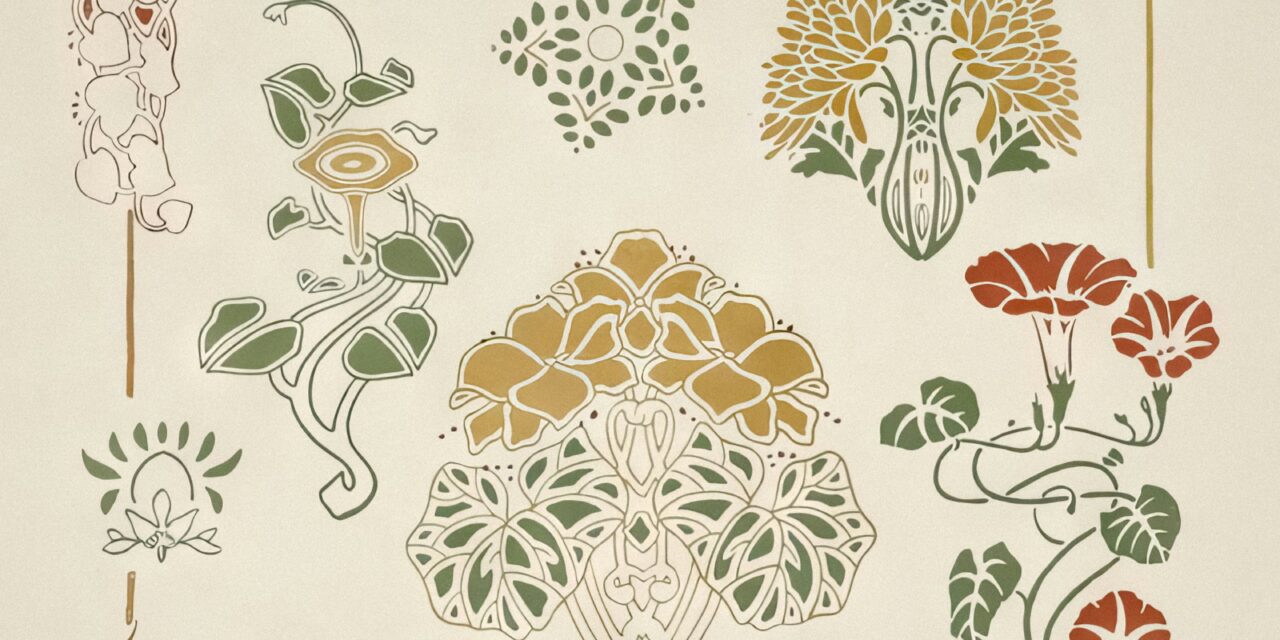
Mucha’s artistic style is often described as a harmonious blend of natural forms and intricate ornamentation. Characterised by flowing lines, organic shapes, and vibrant colours, his work embodies the essence of Art Nouveau. Mucha drew inspiration from various sources, including Slavic folklore, mythology, and the natural world. His ability to infuse his art with a sense of movement and rhythm set him apart from his contemporaries.
One of the hallmarks of the Mucha style is the use of decorative borders and elaborate patterns that frame his subjects. This approach not only enhances the visual appeal of his work but also creates a sense of unity between the figure and the surrounding environment. Mucha’s posters often featured women adorned with flowing hair and elaborate costumes, embodying an idealised vision of femininity. His attention to detail and mastery of colour further contributed to the enchanting quality of his art, making it instantly recognisable.
The Slav Epic
In the early 20th century, Mucha embarked on one of his most ambitious projects: “The Slav Epic.” This monumental series of paintings was intended to celebrate Slavic history and culture, reflecting Mucha’s deep sense of national pride and identity. Comprising twenty large canvases, “The Slav Epic” depicts significant events and figures from Slavic history, ranging from ancient times to the modern era.
Mucha’s vision for “The Slav Epic” was not merely artistic; it was also deeply political. He sought to inspire a sense of unity among Slavic peoples and promote their cultural heritage in the face of political oppression. The series was completed over several years and showcased Mucha’s mastery of composition and storytelling through visual art. Each painting is rich in symbolism and detail, inviting viewers to engage with the narratives presented. The work ultimately became a testament to Mucha’s dedication to his homeland and his desire to elevate Slavic culture on the global stage.
Alphonse Mucha, renowned for his distinctive Art Nouveau style, has left an indelible mark on the world of art, influencing countless artists and movements. His life story is a fascinating journey through the realms of creativity and innovation, showcasing his passion for beauty and harmony. For those interested in exploring more about influential artists and their contributions, a related article on the Kunstmuseum Basel and the legacy of Jean Tinguely can be found here, offering insights into the vibrant world of modern art.
Mucha’s Influence on Art Nouveau
Alfons Mucha is often regarded as one of the most influential figures in the Art Nouveau movement. His distinctive style not only defined an era but also inspired countless artists across Europe and beyond. Mucha’s ability to merge fine art with commercial design set a precedent for future generations of artists who sought to blur the lines between art and commerce.
The impact of Mucha’s work can be seen in various forms of visual culture, including graphic design, illustration, and architecture. His emphasis on decorative elements and organic forms resonated with other artists who embraced the Art Nouveau ethos. Moreover, Mucha’s innovative use of typography in his posters paved the way for modern graphic design practices. His legacy continues to be felt today, as contemporary artists draw upon his aesthetic principles while exploring new mediums and technologies.
Mucha’s Commercial Success
Mucha’s commercial success was not merely a byproduct of his artistic talent; it was also a result of his keen understanding of marketing and audience engagement. His posters became synonymous with popular culture in late 19th-century Paris, capturing the imagination of both the public and advertisers alike. Mucha’s ability to create visually striking images that conveyed a sense of glamour and allure made him a sought-after artist for various commercial projects.
His collaborations with theatre companies, fashion houses, and product manufacturers allowed him to reach a wide audience. The popularity of his work led to lucrative contracts and commissions that further solidified his status as a leading figure in commercial art. Mucha’s success exemplified the potential for artists to thrive within the commercial sphere while maintaining their artistic integrity—a balance that remains relevant in today’s art world.
Mucha’s Political Activism
Beyond his artistic pursuits, Alfons Mucha was deeply engaged in political activism throughout his life. A fervent advocate for Czech nationalism, he used his art as a means to promote social change and raise awareness about issues affecting his homeland. Mucha believed that art could serve as a powerful tool for political expression and cultural identity.
His involvement in various nationalist movements culminated in his participation in the establishment of Czechoslovakia after World War
Mucha’s Legacy
Alfons Mucha’s legacy is multifaceted, encompassing not only his contributions to art but also his impact on culture and society at large. His distinctive style continues to inspire artists across various disciplines, while his commitment to promoting Slavic culture has left an indelible mark on national identity in Central Europe. Mucha’s work serves as a reminder of the importance of cultural heritage and the role that art plays in shaping collective memory.
In addition to his artistic achievements, Mucha’s influence can be seen in contemporary design practices that prioritise aesthetics alongside functionality. His ability to create visually compelling narratives has paved the way for modern storytelling through visual media. As we reflect on Mucha’s contributions, it becomes clear that his work transcends time and continues to resonate with audiences today.
The Mucha Museum
In recognition of Alfons Mucha’s enduring legacy, the Mucha Museum was established in Prague in 1998. This dedicated space houses an extensive collection of Mucha’s works, including paintings, drawings, posters, and decorative arts. The museum serves as both a celebration of Mucha’s artistic achievements and an educational resource for those interested in learning more about his life and contributions.
Visitors to the museum can explore various exhibitions that highlight different aspects of Mucha’s career, from his early works to his later projects like “The Slav Epic.” The museum also hosts temporary exhibitions featuring contemporary artists influenced by Mucha’s style, ensuring that his legacy continues to inspire new generations. Through its commitment to preserving Mucha’s work and promoting awareness of Art Nouveau, the museum plays a vital role in keeping his spirit alive.
The Later Years
In the latter part of his life, Alfons Mucha returned to Czechoslovakia after spending many years abroad. He continued to create art but faced challenges due to changing political landscapes and shifting artistic trends. Despite these obstacles, Mucha remained dedicated to his vision of celebrating Slavic culture through art.
During this period, he focused on projects that reflected his deep-rooted nationalism and desire for cultural revival. However, much of his work went unrecognised during this time due to the rise of modernist movements that overshadowed traditional styles like Art Nouveau. Nevertheless, Mucha persevered in creating works that resonated with his ideals until his passing on July 14, 1939.
Remembering Mucha
Alfons Mucha’s contributions to art continue to be celebrated worldwide through exhibitions, publications, and academic studies dedicated to understanding his impact on culture and society. His unique style remains influential not only within the realm of fine arts but also across various design disciplines today.
As we remember Alfons Mucha, we honour not just an artist but also a visionary who used creativity as a means for cultural expression and social change. His legacy serves as an enduring reminder that art has the power to transcend boundaries—both geographical and temporal—uniting people through shared experiences and aspirations for a better future.
FAQs
Who was Alphonse Mucha?
Alphonse Mucha was a Czech artist and decorative designer, known for his distinctive Art Nouveau style. He was born in 1860 and became famous for his iconic posters, illustrations, and designs.
What is Art Nouveau?
Art Nouveau is an international style of art, architecture, and applied art, especially the decorative arts, that was most popular between 1890 and 1910. It is characterized by its use of organic, flowing lines and motifs inspired by nature.
What are some famous works by Alphonse Mucha?
Some of Alphonse Mucha’s most famous works include “The Slav Epic” – a series of 20 large paintings depicting the history of the Slavic people, and his iconic posters for actress Sarah Bernhardt, such as “Gismonda” and “La Dame aux Camelias”.
Where can I see Alphonse Mucha’s artwork?
Alphonse Mucha’s artwork can be found in various museums and galleries around the world, including the Mucha Museum in Prague, the Musée d’Orsay in Paris, and the National Gallery of Prague.
What is Alphonse Mucha’s legacy?
Alphonse Mucha’s legacy lies in his significant contribution to the Art Nouveau movement and his influence on graphic design and decorative arts. His work continues to inspire artists and designers to this day.