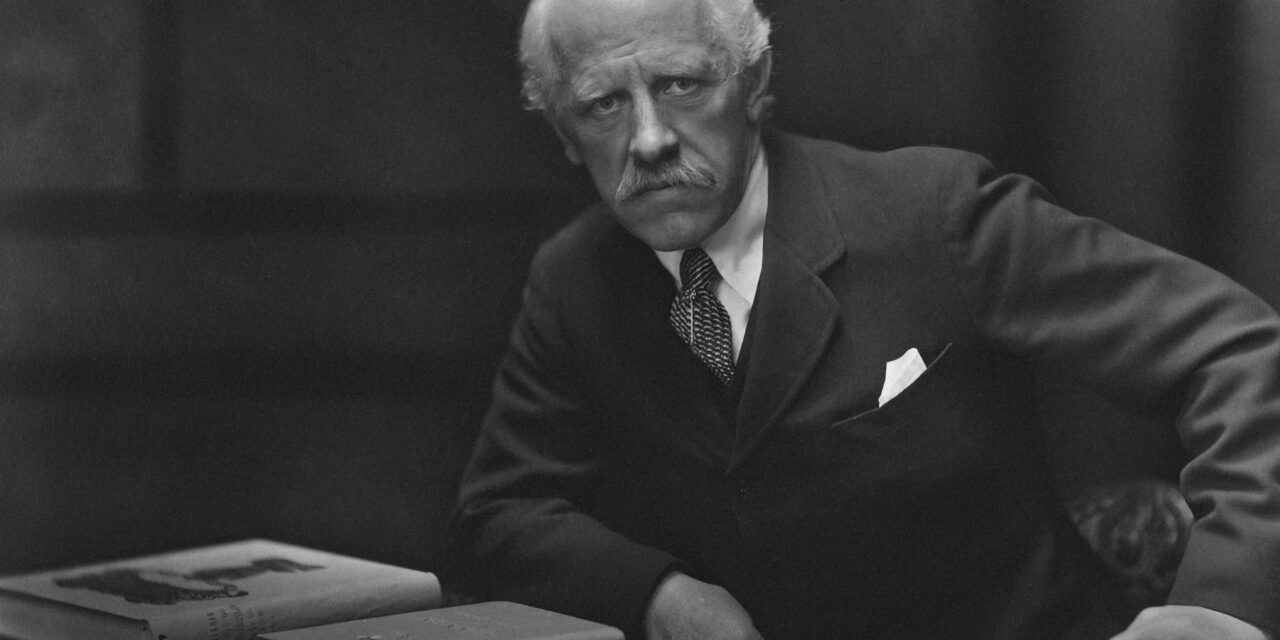
The world of art is a vast and ever-expanding universe, populated by luminaries whose visions continue to inspire and challenge us. Among these is Otto Mueller, a painter whose unique contribution to German Expressionism, particularly his distinctive approach to colour and form, merits a thorough exploration. Often overshadowed by his more boisterous contemporaries, Mueller’s work possesses a quiet intensity and a profound emotional resonance that speaks to the enduring power of the human spirit and the beauty of the natural world. This in-depth guide aims to illuminate his life, artistic development, key themes, and lasting legacy, offering a comprehensive understanding of this significant, yet sometimes underappreciated, artist.
Otto Mueller’s journey into the realm of art was shaped by his upbringing and the artistic currents of his time. Born on 16th October 1874 in Liebau, Silesia (now Poland), Mueller’s early life was steeped in the rural landscape, an environment that would profoundly influence his later artistic output. His father was a landowner, and while the family was not affluent, there was a connection to the land that fostered an appreciation for nature from a young age.
Silesian Roots and Influences
Silesia, a region with a complex cultural history, offered Mueller a unique backdrop. The landscape, characterised by its rolling hills, forests, and agricultural fields, provided a constant source of inspiration. This close connection to nature was not merely a scenic backdrop; it became an integral part of Mueller’s artistic consciousness. The colours, textures, and the rhythms of rural life seeped into his early sketches and observations, laying the groundwork for his later artistic explorations.
Formal Training and Early Developments
Mueller’s formal artistic training began in Dresden. He attended the Royal Academy of Fine Arts in Dresden from 1896 to 1901, a period when academic traditions still held considerable sway. However, even within this structured environment, Mueller displayed an independent spirit. He was initially apprenticed to the painter Bernhard Butters, a more conservative figure, but it was his exposure to Impressionism and Neo-Impressionism that truly began to ignite his artistic imagination. These movements, with their emphasis on light, colour, and subjective perception, offered a departure from the rigid academicism he encountered, encouraging him to experiment and develop his own visual language. He also spent time studying in Munich, another important centre of artistic activity in Germany, further broadening his horizons.
For those interested in exploring the broader context of Otto Mueller’s work, a related article that delves into the significance of art institutions is available at the Queensland Art Gallery in Brisbane, Australia. This article provides insights into the gallery’s collection and its role in promoting various artists, including those from the Expressionist movement, which influenced Mueller. You can read more about it in the article An Introduction to the Queensland Art Gallery, Brisbane, Australia.
The Dresden Secession and the Blue Rider
Mueller’s artistic evolution coincided with significant shifts in the European art scene, particularly in Germany. His involvement with the Dresden Secession and his subsequent association with the influential Blue Rider group were pivotal moments in his career, shaping his mature style and solidifying his place within the Expressionist movement.
The Dresden Secession and Early Expressionist Tendencies
The Dresden Secession, founded in 1903, was a movement of artists seeking to break away from the conservative artistic establishment and explore new avenues of artistic expression. Mueller was a founding member of this group, and his early works displayed a burgeoning interest in bolder colours and more subjective interpretations of his subjects. While not as overtly radical as some of his peers, his contributions to the Secession exhibitions marked him as an artist moving beyond traditional representation. This period saw him exploring landscapes and portraits, gradually infusing them with a heightened emotional quality.
Joining the Blue Rider: A Spiritual and Artistic Connection
Perhaps the most significant turning point in Mueller’s career was his invitation to join the Der Blaue Reiter (The Blue Rider) group in 1911. This collective, co-founded by Wassily Kandinsky and Franz Marc, was a radical avant-garde movement that championed spiritual and symbolic art, pushing the boundaries of abstraction and emotional expression. Mueller’s inclusion in this prestigious group speaks volumes about the unique qualities of his art. He found common ground with artists like Kandinsky, Marc, August Macke, and Gabriele Münter, who were all seeking to imbue their art with a deeper, more personal meaning, often drawing inspiration from folk art, spiritualism, and nature. Within the Blue Rider, Mueller’s distinctive colour palette and his focus on the human form in relation to its environment found a receptive audience and an encouraging context for further development.
Key Artistic Themes and Techniques
Mueller’s oeuvre is characterised by a remarkable consistency of themes and a highly personal approach to technique. His subject matter, though seemingly simple, is imbued with a profound emotional depth, and his distinctive use of colour and line sets him apart from his contemporaries.
The Human Figure: Vulnerability and Intimacy
Central to Mueller’s artistic exploration is the human figure, often depicted in intimate and vulnerable moments. Unlike the more agitated or distorted figures favoured by some Expressionists, Mueller’s figures exude a quiet dignity and a profound sense of humanity. He frequently depicted nudes, particularly women, often in natural settings or in contemplative poses. These figures are not objectified; rather, they are presented with a tender gaze, revealing their inner lives and their connection to the world around them. His studies of couples and groups often convey a sense of shared solitude or unspoken understanding, hinting at the complexities of human relationships.
Landscape and Nature: A Symbiotic Relationship
The natural world was a constant and vital source of inspiration for Otto Mueller. His landscapes are not mere backdrops but rather active participants in the emotional narrative of his paintings. He was particularly drawn to the desolate beauty of the Silesian countryside, its rolling hills, rugged plains, and the subtle shifts of light and colour throughout the seasons. His depiction of nature often carries a spiritual or elemental quality, suggesting a deep, almost symbiotic relationship between humanity and the environment. The colours he employed, often muted yet rich, evoke the tactile qualities of the earth and the atmospheric conditions of the landscape.
Colour as Emotion and Symbolism
Mueller’s mastery of colour is arguably his most defining characteristic. He moved away from strict naturalism, employing colour to convey mood, emotion, and spiritual resonance. His palette is often characterised by earthy tones, ochres, greens, and blues, but he also incorporated vibrant splashes of colour to create striking contrasts and to imbue his subjects with a heightened sense of life. He was particularly adept at creating a sense of light and atmosphere through his subtle gradations of colour, evoking the soft glow of dawn or the muted hues of twilight. For Mueller, colour was not merely descriptive; it was a direct conduit to the viewer’s emotional experience.
Line and Form: Grace and Delicacy
While colour dominated his palette, Mueller’s use of line and form also contributed significantly to the unique character of his work. His lines are often fluid and organic, lending a sense of grace and delicacy to his figures and landscapes. He avoided harsh, angular forms, favouring softer contours that reflected the natural world and the inner states of his subjects. Even in his more expressive moments, there is an underlying sense of balance and harmony. His compositions are carefully constructed, ensuring that the emotional impact is conveyed through a harmonious interplay of form and colour.
Later Years and Legacy
Otto Mueller’s artistic output continued to evolve throughout his later years, and his legacy has continued to resonate with artists and art historians alike. His unique contribution to Expressionism and his profound understanding of colour and form solidify his position as a significant figure in 20th-century art.
The Impact of War and Continued Exploration
The First World War cast a long shadow over Europe, and while Mueller did not directly experience the front lines in the same way some other artists did, the societal upheaval and personal losses undoubtedly influenced his work. His later paintings often carry a more introspective and melancholic tone, reflecting the anxieties of the era. Despite these challenges, he continued to paint and teach, remaining a vital presence in the German art scene. His commitment to his artistic vision remained unwavering.
Teaching and Influence on Younger Generations
Mueller was also an accomplished teacher. From 1919 until his death in 1930, he served as a professor at the Academy of Fine Arts in Breslau (now Wrocław, Poland). Here, he nurtured a new generation of artists, imparting his distinctive approach to colour and form. His students, such as Adolf⅝ Kaufmann and Alexander Kortschak, carried forward aspects of his style, ensuring that his artistic philosophy continued to influence the art world. His mentorship provided a crucial bridge between the radical experiments of early Expressionism and the evolving artistic landscape of the interwar period.
Enduring Significance and Recognition
Otto Mueller’s work is distinguished by its lyrical quality, its emotional depth, and its profound connection to nature. While he may not have courted the sensationalism of some of his contemporaries, his art possesses a quiet power and an enduring beauty that continues to captivate viewers. His emphasis on subjective experience, his innovative use of colour, and his tender portrayal of the human figure have cemented his place as a vital contributor to German Expressionism. His paintings are held in major museum collections worldwide, and his oeuvre continues to be studied and admired for its unique vision and its timeless appeal.
For those interested in exploring the broader context of early 20th-century art, a related article delves into Edvard Munch’s poignant work, “Ashes” (1894-95), which captures the emotional turmoil of its time. This piece not only complements the study of Otto Mueller’s expressive style but also highlights the shared themes of existential angst and human experience prevalent among their contemporaries. To read more about Munch’s compelling painting, visit this insightful article.
Notable Works and Artistic Milestones
Examining some of Otto Mueller’s most celebrated works provides a more tangible understanding of his artistic development and the recurring motifs that define his oeuvre. These pieces offer insights into his evolving techniques and his enduring thematic concerns.
Early Masterpieces and the Dawn of his Style
- “Silesian Landscape” (c. 1908-1910): This early landscape exemplifies Mueller’s emerging interest in capturing the essence of his native region. While still retaining some representational elements, the colours are already more vibrant and expressive than purely academic works, hinting at the emotional weight he would later imbue in his landscapes.
- “The Blue Horseman” (1911): Painted in response to Franz Marc’s famous “Blue Horse,” Mueller’s interpretation is softer and more contemplative. It showcases his affinity with the Blue Rider group and his understanding of symbolism, where colour itself carries profound meaning. This work is a testament to his engagement with the spiritual aspects of art.
The Maturity of his Expressionist Vision
- “Nude with Red Scarf” (c. 1917): A quintessential example of Mueller’s nudes, this painting demonstrates his ability to combine sensuality with a profound sense of vulnerability. The vibrant red scarf creates a striking contrast with the softer, earthy tones of the skin and background, highlighting his masterful use of colour to create focal points and evoke emotion.
- “Two Women on a Meadow” (c. 1919): This work epitomises Mueller’s depiction of human intimacy within a natural setting. The figures are rendered with a gentle touch, their connection conveyed through their shared presence and the harmonious colours of the landscape. It speaks to a sense of quiet companionship and the solace found in nature.
- “Girl with Flowers” (c. 1920): Characterised by its delicate rendering of a young woman surrounded by vibrant flora, this painting showcases Mueller’s ability to capture innocence and ephemeral beauty. The colours are bright and lyrical, evoking the freshness of youth and the vitality of nature.
Later Works and Reflective Themes
- “The Great Meadow” (c. 1925): In his later landscapes, Mueller often returned to the expansive vistas of his homeland. This painting, with its broad strokes and evocative colour palette, captures the vastness and elemental power of the natural world. It represents a mature reflection on his lifelong engagement with landscape.
- “Reclining Nude with Cat” (c. 1928): This later nude study demonstrates a continued exploration of the human form, imbued with a sense of peace and introspection. The presence of the cat adds a domestic and gentle element, reinforcing the intimacy of the scene. The colours remain nuanced and expressive, a hallmark of his late style.
These selected works, representing different phases of his career, illustrate the consistent evolution of his style while showcasing the recurring themes of landscape, the human figure, and the expressive power of colour that define Otto Mueller’s enduring artistic contribution.
For those interested in exploring the intricate techniques employed by Otto Mueller, a fascinating article on the role of texture in art can provide valuable insights. Understanding how artists balance smooth and rough surfaces can enhance one’s appreciation of Mueller’s work and the emotional depth it conveys. To delve deeper into this topic, you can read the article on texture in composition, which complements the exploration of Mueller’s artistic style.
Artistic Influences and Contemporaries
Understanding Otto Mueller’s place within the art historical landscape requires an appreciation of the artists and movements that shaped his vision and the contemporaries with whom he shared artistic dialogue. His interactions and influences were crucial to his development as a unique voice within German Expressionism.
The Shadow of Impressionism and Post-Impressionism
While Mueller firmly belongs to the Expressionist camp, his early artistic development was significantly shaped by the innovations of Impressionism and Post-Impressionism. The Impressionists’ focus on capturing fleeting moments of light and colour, and their departure from rigid academic representation, provided a crucial liberation for young artists like Mueller. Furthermore, the Post-Impressionists, particularly artists like Van Gogh, Gauguin, and Cézanne, offered a path towards a more subjective and emotionally charged approach to art.
- Van Gogh’s Emotional Intensity: The raw emotional power and expressive use of colour in Van Gogh’s work undoubtedly resonated with Mueller, who himself sought to convey deep feeling through his paintings.
- Gauguin’s Symbolism and Colour: Gauguin’s experiments with symbolic colour and his interest in primal, untamed nature also provided a conceptual framework for Mueller’s own explorations.
- Cézanne’s Structural Approach: While less overtly evident, Cézanne’s methodical exploration of form and his ability to construct paintings from colour planes may have influenced Mueller’s sophisticated compositional choices, even if expressed through a more fluid and organic style.
The German Expressionist Scene: A Diverse Family
Mueller was a central figure within the broader German Expressionist movement, a diverse and dynamic force that encompassed various groups and individual styles. While he shared common ground with many artists, his approach was distinctly his own.
- The Brücke Artists (e.g., Kirchner, Nolde): The artists of Die Brücke (The Bridge), such as Ernst Ludwig Kirchner and Emil Nolde, were known for their more confrontational and socially critical Expressionism, often depicting urban life and societal anxieties with jagged lines and intense, often jarring, colour. While Mueller shared their interest in subjective experience, his style was generally more lyrical and less strident.
- Franz Marc’s Spiritual Abstraction: Mueller shared a deep spiritual connection with Franz Marc, another key figure of the Blue Rider. Marc’s fascination with the symbolic meaning of animals and his move towards abstract colour harmonies provided a crucial intellectual and spiritual counterpoint to Mueller’s more figurative approach. Their shared belief in art as a spiritual force was a significant bond.
- Wassily Kandinsky’s Pioneering Abstraction: As a co-founder of the Blue Rider, Kandinsky’s radical pursuit of pure abstraction and his theories on the spiritual in art significantly influenced the group’s overall direction. Mueller, while retaining a connection to figuration, absorbed the emphasis on colour as a primary expressive element that Kandinsky championed.
Dialogue and Divergence within the Blue Rider
The Blue Rider was a deliberately loose collective, allowing for individual artistic trajectories within a shared spirit of innovation. Mueller’s engagement with artists like August Macke, Alexej von Jawlensky, and Gabriele Münter was characterised by mutual respect and artistic dialogue.
- August Macke’s Lyrical Sensibility: Macke shared Mueller’s appreciation for colour and light, often depicting idyllic scenes of modern life with a joyous and harmonious palette. Their artistic sensibilities, though distinct, often found common ground in their pursuit of beauty and emotional resonance.
- Gabriele Münter’s Personal Vision: Münter, who was Kandinsky’s partner, also pursued a highly personal and expressive style, often focusing on portraits and domestic scenes with bold colours and simplified forms. Her work, like Mueller’s, demonstrated the power of individual artistic vision within the larger movement.
Mueller’s genius lies in his ability to absorb these influences and synthesise them into a style that is both deeply personal and universally resonant. He offered a gentler, more contemplative, yet no less powerful, form of Expressionism, one that prioritised inner harmony and the profound beauty of existence.
Otto Mueller’s Place in Art History
Otto Mueller’s unique artistic contributions have secured his significant place within the broader narrative of 20th-century art, particularly within the context of German Expressionism. While often discussed alongside his more flamboyant peers, his distinctive approach warrants dedicated recognition.
A Lyrical Counterpoint to Radical Expressionism
German Expressionism, as a movement, was often characterised by its bold, sometimes jarring, representations of emotional turmoil, societal critique, and the darker aspects of the human psyche. Artists like Kirchner and Nolde captured a raw, visceral energy that reflected the anxieties of their time. Mueller, while undeniably an Expressionist, offered a distinct counterpoint. His work is marked by a lyrical beauty, a profound empathy, and a deep connection to the restorative power of nature. He found expression not through outright angst, but through a sensitive portrayal of vulnerability, intimacy, and the quiet joys of existence. His use of colour, though often intense, was employed to evoke harmony and spiritual resonance rather than shock or agitation.
The Enduring Power of Colour and Form
Mueller’s technical mastery, particularly his sophisticated understanding and application of colour, remains a cornerstone of his artistic legacy. He moved beyond mere representation to imbue his canvases with emotional and symbolic weight, demonstrating how colour itself could function as a primary vehicle for meaning. His subtle gradations, harmonious juxtapositions, and his ability to capture the nuances of light and atmosphere continue to inspire and influence. Similarly, his fluid, organic lines and balanced compositions reveal a profound understanding of form that lends his work a timeless elegance. This ability to transcend fleeting trends and to create art that speaks to fundamental human experiences is a hallmark of his lasting significance.
A Bridge Between Inner Vision and External Reality
Mueller successfully bridged the gap between an intensely personal, inner vision and the external realities of the world around him. His landscapes are not mere depictions of places but rather emotional responses to them. His figures, whether nudes or portraits, are imbued with a palpable sense of inner life and a quiet dignity. He demonstrated that profound emotional expression could be found in the subtle beauty of a human form, the gentle curve of a landscape, or the harmonious interplay of colours. This ability to imbue the ordinary with extraordinary depth and sensitivity is what elevates his work beyond mere artistic production to a profound statement on the human condition.
Continued Relevance and Recognition
In contemporary art discourse, Otto Mueller is increasingly recognised for his unique contributions. Museum exhibitions, scholarly research, and the enduring appeal of his works in galleries and private collections underscore his sustained importance. His influence can be seen in artists who continue to explore the expressive potential of colour, the intimate portrayal of the human figure, and the profound connection between humanity and the natural world. He represents a vital branch of Expressionism that offers a gentler, yet equally potent, avenue for exploring the complexities of life and the enduring search for beauty and meaning. His legacy is one of quiet power, profound sensitivity, and an unwavering dedication to the transformative potential of art.
FAQs
Who was Otto Mueller?
Otto Mueller was a German painter and printmaker who was associated with the expressionist movement. He was known for his depictions of the human figure, particularly of the Roma and Sinti people.
What was Otto Mueller’s artistic style?
Mueller’s artistic style was characterized by its use of bold colors, simplified forms, and a focus on the human figure. He often depicted scenes of rural life and the marginalized communities of the Roma and Sinti people.
What were some of Otto Mueller’s notable works?
Some of Otto Mueller’s notable works include “Gypsy with a Child” (1926), “Three Gypsies” (1928), and “Bathers” (1929). These works showcase his distinctive style and subject matter.
What influence did Otto Mueller have on the art world?
Otto Mueller was a significant figure in the expressionist movement and his work had a lasting impact on the art world. His depictions of the Roma and Sinti people brought attention to their culture and way of life, and his artistic style influenced many other artists of his time.
Where can I see Otto Mueller’s artwork?
Otto Mueller’s artwork can be found in various museums and galleries around the world, including the Museum of Modern Art in New York, the National Gallery in Berlin, and the Art Institute of Chicago. Additionally, his work is often featured in special exhibitions dedicated to expressionist art.