A Glimpse into the World of Reginald Marsh: Chronicler of Urban Life
Reginald Marsh (1898-1954) stands as a pivotal figure in American art, a quintessential chronicler of New York City’s vibrant, often chaotic, and perpetually fascinating street life during the interwar years and beyond. His work offers a raw, energetic, and unapologetically humanistic portrayal of the city’s inhabitants, capturing their everyday struggles, triumphs, and fleeting moments of joy amidst the urban sprawl. Far from idealising his subjects, Marsh depicted them with an almost journalistic eye, observing and recording the ebb and flow of humanity on the Coney Island boardwalk, in burlesque theatres, and on the bustling streets of Manhattan. His distinct style, characterised by dynamic compositions, a masterful use of line, and a keen sense of social observation, cemented his legacy as a vital interpreter of the American urban experience. For any art enthusiast or aspiring artist seeking to understand the power of narrative in visual art, delving into the oeuvre of Reginald Marsh is an enriching and illuminating journey.
Early Life and Formative Influences
Born in Paris in 1898 to American artist parents, Reginald Marsh’s early life was steeped in an artistic environment. His father, Fred Dana Marsh, was a muralist, and his mother, Alice Randall Marsh, was a painter. This immersion in art from a young age undoubtedly shaped his sensibilities and provided him with an early exposure to various artistic techniques and philosophies. The family relocated to Nutley, New Jersey, when Reginald was two years old, marking the beginning of his lifelong connection to America.
Marsh’s formal art education began at Yale University, where he initially pursued a more traditional academic path, studying at the Yale School of Art from 1916 to 1920. While there, he gained a solid foundation in drawing and painting, honing his technical skills. However, it was his subsequent move to New York City and his enrolment at the Art Students League that truly ignited his artistic voice. At the League, he studied under a series of influential figures who would profoundly impact his development.
One of the most significant mentors was John Sloan, a prominent member of the Ashcan School. Sloan’s philosophy of depicting the gritty realities of urban life, focusing on everyday scenes and ordinary people rather than romanticised ideals, resonated deeply with Marsh. From Sloan, Marsh learned the importance of direct observation and the power of drawing to capture the essence of a moment. Sloan’s emphasis on capturing the authentic spirit of the city’s inhabitants, often with a sense of empathy and a touch of humour, laid a crucial groundwork for Marsh’s own artistic trajectory.
Another key influence was Kenneth Hayes Miller, a teacher at the Art Students League who stressed the importance of compositional structure and the enduring principles of Renaissance art. Miller encouraged his students to study the old masters, particularly their use of form and narrative. This seemingly classical influence might appear contradictory to Marsh’s subject matter, but it provided him with a robust framework for organising his complex and often crowded compositions, ensuring a sense of order beneath the surface chaos. Marsh’s meticulous attention to drawing, evident in his numerous sketchbooks, can be traced back to these foundational teachings. He absorbed these diverse influences, blending Sloan’s social realism with Miller’s structural discipline to forge his unique artistic identity.
For those interested in exploring the artistic techniques that complement the vibrant works of Reginald Marsh, a related article on ink wash techniques can provide valuable insights. This piece delves into the methods of achieving subtle gradients, which can enhance the depth and texture of artworks. To read more about these techniques, visit this article.
The Burlesque and the Beach: Marsh’s Iconic Subject Matter
Reginald Marsh is arguably best known for his vivid and unvarnished portrayals of New York City’s vibrant, often boisterous, and sometimes risqué entertainment scenes, alongside his depictions of the teeming masses at leisure. His choice of subject matter was deliberately focused on the human element, capturing the energy and spectacle of life in a metropolis.
The World of Burlesque
Marsh was a regular patron of burlesque theatres, drawn to the raw energy, theatricality, and candid display of human form. His burlesque paintings and prints are not merely voyeuristic; they are keenly observed studies of performers and audiences alike. He depicted the dancers with a blend of admiration for their athleticism and a clear-eyed view of their profession, often highlighting the contrast between their stage personas and the more mundane reality of their lives. These works are characterised by their dynamic compositions, exaggerated gestures, and a palpable sense of movement. Marsh’s fascination lay not just in the spectacle itself, but in the human stories unfolding within it – the allure, the vulnerability, and the sheer effort involved in these performances. He meticulously rendered the costumes, the stage lights, and the expressions of both the performers and the audience, creating a comprehensive visual record of a bygone era of entertainment. These pieces, such as “Twenty Cent Movie” or “The Bowery,” often convey a sense of bustling activity and a slightly melancholic undertone, reflecting the transient nature of such spectacles.
Coney Island and the Urban Masses
Equally iconic are Marsh’s depictions of Coney Island, particularly its beaches and boardwalk. Here, he found a microcosm of New York society, a democratic space where people from all walks of life congregated to escape the summer heat and enjoy simple pleasures. Marsh captured the sheer density of humanity, with bathers sprawled across the sand, families strolling the boardwalk, and vendors hawking their wares. His Coney Island scenes are a riot of colour and movement, filled with a myriad of figures, each rendered with individual characteristics and expressions. He was particularly adept at capturing the gestures and body language of people at ease, their forms often exaggerated or stylised to convey a sense of vitality and abundance. These works, like “Coney Island Beach” or “Atlantic City,” offer a fascinating insight into the social dynamics of the time, celebrating the communal experience of leisure while simultaneously highlighting the anonymity of the crowd. Marsh’s ability to imbue each figure, no matter how small, with a distinct presence is a testament to his observational skills and his dedication to portraying the diverse tapestry of urban life.
Artistic Techniques and Distinctive Style
Reginald Marsh’s artistic output is marked by a distinctive style that combines academic draughtsmanship with a vibrant, almost Expressionistic energy. His work is instantly recognisable for its dynamic compositions, masterful use of line, and a colour palette that, while not always bright, is always purposeful.
Master of Drawing and Composition
At the core of Marsh’s artistic practice was an unwavering commitment to drawing. He filled countless sketchbooks with observations from life, meticulously recording figures, gestures, and architectural details. This rigorous drawing practice formed the foundation for his more elaborate paintings and prints. His line work is fluid, energetic, and often serves to define form and convey movement with remarkable precision. Marsh’s compositions are frequently dense and crowded, reflecting the urban environments he depicted. However, despite the multitude of figures and details, his compositions never feel chaotic. This is due to his astute understanding of classical compositional principles, learned from Kenneth Hayes Miller. He employed strong diagonals, overlapping forms, and carefully placed focal points to guide the viewer’s eye through his complex scenes, creating a sense of visual coherence and narrative flow. He often utilised a shallow pictorial space, bringing the action close to the viewer, enhancing the immediacy of the experience.
Media and Colour Palette
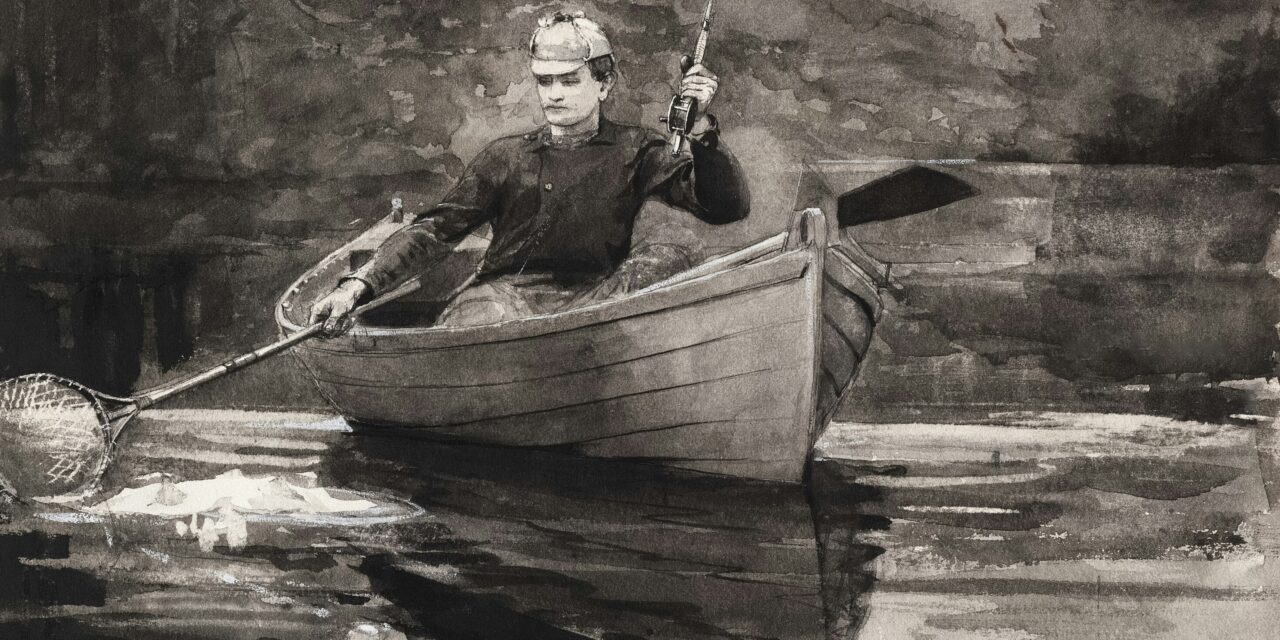
Marsh was a prolific artist who experimented with various media, often choosing the medium best suited to convey the particular energy of his subject. He worked extensively in tempera, a fast-drying, opaque paint that allowed him to build up layers of colour and achieve a precise, almost linear quality. His tempera paintings often possess a slightly muted, earthy palette, though he could also employ vibrant hues when depicting the artificial lights of the theatre or the bright swimsuits on the beach. He was also a master printmaker, particularly in etching and engraving, where his virtuosity with line truly shone. His prints often exhibit a starker, more graphic quality, emphasising the interplay of light and shadow and the expressive power of the drawn line. Additionally, Marsh produced numerous watercolours and ink wash drawings, which allowed for greater spontaneity and fluidity in capturing fleeting moments. His approach to colour was generally descriptive rather than purely expressive, used to define forms, create atmosphere, and draw attention to specific elements within his bustling scenes. He wasn’t afraid to use a somewhat gritty or subdued palette when depicting the less glamorous aspects of city life, but could also infuse his work with bursts of unexpected colour to highlight the vitality of his subjects.
Social Commentary and Cultural Significance
Reginald Marsh’s work transcends mere documentation; it functions as a potent form of social commentary, offering a nuanced reflection on American society during a period of significant change. His canvases provide invaluable insights into the cultural landscape of the 1920s, 30s, and 40s, capturing the zeitgeist of an era shaped by economic boom, the Great Depression, and the burgeoning modern city.
Observing Society Without Judgement
One of Marsh’s most compelling qualities was his ability to observe and depict social strata without explicit moralising. While his subjects often came from the working class or the margins of society – burlesque dancers, unemployed men on the Bowery, crowds seeking cheap entertainment – his gaze was generally empathetic rather than condemnatory. He was interested in the human condition itself, the shared experiences of joy, boredom, struggle, and resilience that define urban existence. He captured the flamboyant and the mundane, the beautiful and the grotesque, often placing them side-by-side in his teeming compositions. His work is a testament to the idea that every individual, regardless of their social standing or circumstances, possesses an inherent dignity and narrative worth. This non-judgmental approach allowed his viewers to connect with his subjects on a human level, fostering empathy and understanding rather than simply presenting stereotypes.
A Record of a Changing America
Marsh’s art serves as a remarkable historical document, chronicling the visual and social dynamics of a rapidly evolving America. His depictions of the city’s architecture, its evolving fashion, and its popular entertainment venues offer a vivid snapshot of a particular time and place. The economic realities of the Great Depression are subtly woven into his narratives, visible in the faces of the unemployed, the crowded penny arcades, and the pursuit of inexpensive diversions. His work captures the optimism and excitement of a nation embracing modernity, juxtaposed with the underlying anxieties and inequalities that persisted. Furthermore, his focus on popular culture and entertainment provided a counter-narrative to the more conservative art traditions of the time, aligning him with the burgeoning interest in American scene painting and social realism. In many ways, Marsh’s work anticipated the visual culture of the mid-20th century, laying groundwork for later artists who would explore similar themes of urban life and popular culture. His legacy lies not only in his artistic skill but also in his profound ability to hold a mirror up to society, reflecting its complexities and contradictions with honesty and artistic flair.
For those looking to explore the vibrant world of American art, a related article that delves into the diverse influences and techniques of various artists can be found in the Palette of Possibilities. This piece complements the in-depth guide to Reginald Marsh by highlighting the broader context of artistic expression during his time, providing readers with a richer understanding of the movements that shaped his work.
Legacy and Influence of Reginald Marsh
Reginald Marsh’s contribution to American art is undeniable, and his influence continues to resonate within contemporary artistic practices and historical scholarship. His distinctive style and keen observational skills have left an indelible mark on how we perceive and portray urban life in art.
Enduring Relevance in Art History
Marsh remains a significant figure in the canon of American realism. He is often studied alongside artists like Edward Hopper and the Ashcan School, yet his unique approach to narrative and his vibrant energy set him apart. Art historians consistently refer to his work when discussing the depiction of the modern city, social realism, and the documentation of American popular culture during the early to mid-20th century. His paintings and prints are held in major museum collections worldwide, including the Metropolitan Museum of Art, the Museum of Modern Art, and the Whitney Museum of American Art, attesting to their enduring artistic and historical value. Scholars continue to analyse his compositional strategies, his choice of subject matter, and the subtle social commentary embedded within his bustling scenes, finding new layers of meaning and relevance in his extensive oeuvre.
Impact on Subsequent Generations of Artists
Marsh’s legacy extends beyond art history textbooks, directly influencing subsequent generations of artists. His commitment to drawing from life, his ability to capture the dynamic energy of crowds, and his unapologetic embrace of popular culture resonated with many who came after him. Artists interested in narrative painting, urban landscapes, and social observation often look to Marsh for inspiration. His masterful handling of line and form provided a model for expressive draughtsmanship, while his candid depictions of human figures in their natural environments offered a powerful alternative to more academic or abstract approaches. While his direct stylistic influence might be less immediately apparent in an era dominated by diverse artistic movements, his spirit of engaging directly with the human experience and the fabric of contemporary life continues to inspire artists working in various mediums today. He demonstrated that art could be both technically sophisticated and deeply rooted in the everyday, a powerful lesson that continues to echo through studios and galleries in 2026. Reginald Marsh’s work remains a vital and endlessly fascinating chapter in the ongoing story of American art.
FAQs
Who was Reginald Marsh?
Reginald Marsh was an American painter and printmaker, born on March 14, 1898, in Paris, France. He is best known for his depictions of urban life in New York City during the 1920s and 1930s, capturing the vibrancy and diversity of the city through his artwork.
What artistic style is Reginald Marsh associated with?
Marsh is primarily associated with the American Scene Painting movement, which focused on realistic depictions of everyday life in America. His work often features a blend of realism and expressionism, showcasing the energy and dynamism of urban environments.
What are some notable themes in Marsh’s artwork?
Marsh’s artwork frequently explores themes such as the hustle and bustle of city life, the working class, and the cultural melting pot of New York City. He often portrayed scenes of entertainment, leisure, and social interactions, reflecting the complexities of urban existence.
What mediums did Reginald Marsh use in his art?
Reginald Marsh worked primarily with oil paints, but he was also skilled in printmaking techniques, particularly lithography and etching. His versatility allowed him to create a wide range of works, from detailed prints to large-scale paintings.
Where can one view Reginald Marsh’s works today?
Many of Reginald Marsh’s works are held in prestigious collections, including the Whitney Museum of American Art and the Metropolitan Museum of Art in New York City. Additionally, various galleries and exhibitions occasionally showcase his art, allowing the public to appreciate his contributions to American art.