A Painter of the People: The Enduring Legacy of Jacob Lawrence
Jacob Lawrence, born in Atlantic City, New Jersey, in 1917, was an artist who painted with an urgency and a purpose that resonated profoundly throughout the 20th century. His life story is not merely a chronicle of artistic development but a powerful testament to the resilience of the human spirit, the struggle for civil rights, and the indelible impact of migration on American society. From his humble beginnings in the vibrant, yet often challenging, urban landscapes of the Great Migration, Lawrence honed a distinctive style that fused narrative power with bold, modern abstraction, creating a visual language that remains as relevant today as it was nearly a century ago. His work, characterized by its vibrant colours, rhythmic compositions, and unflinching portrayal of African American life, offers a unique lens through which to understand the complex tapestry of American history.
Jacob Lawrence, renowned for his vivid portrayals of African American life and history, has often been discussed in the context of various art movements. His work serves as a significant bridge between modernism and the evolving narratives of postmodern art. For those interested in exploring the broader implications of artistic movements and how they relate to artists like Lawrence, an insightful article can be found at this link. It delves into the characteristics of postmodern art and its impact on contemporary artists, providing a valuable framework for understanding Lawrence’s contributions within the larger tapestry of art history.
Early Life and the Crucible of Harlem
Jacob Lawrence’s formative years were deeply shaped by the societal shifts and cultural vibrancy of the early 20th century. His parents, originally from the South, were part of the Great Migration, a massive demographic movement of African Americans from the rural South to the industrial cities of the North. This exodus, driven by the desire to escape racial oppression and seek economic opportunity, profoundly influenced Lawrence’s perspective and provided a rich wellspring of subject matter for his later work.
The Move to Harlem
After a brief period in Pennsylvania, Lawrence’s mother, struggling to raise three children alone, moved the family to Harlem, New York, in 1930. This was a pivotal moment. Harlem, at that time, was not just a neighbourhood; it was a burgeoning cultural epicentre, the heart of the Harlem Renaissance. This period was a golden age of African American artistic and intellectual output, and its vibrant energy undoubtedly seeped into the consciousness of the young Lawrence. He was immersed in a community that, despite facing immense economic hardship during the Great Depression, was brimming with creative energy, intellectual discourse, and a strong sense of racial pride.
The Influence of the Harlem Art Workshop
It was in Harlem that Lawrence’s artistic journey truly began. At the age of 13, his mother enrolled him in an after-school art programme at the Utopia Children’s House. This initial exposure to art proved to be a turning point. He soon gravitated towards the Harlem Art Workshop, an initiative funded by the Works Progress Administration (WPA). Here, he received formal instruction from artists such as Charles Alston and Henry Bannarn, who became instrumental mentors. These artists, themselves products of the Harlem Renaissance, not only taught him technical skills but also instilled in him a profound appreciation for African American culture and history as legitimate and vital subjects for artistic expression. The workshop provided a safe haven and a creative outlet, allowing Lawrence to develop his unique style and storytelling abilities within a supportive artistic community. It was here that he began to understand art not just as an aesthetic pursuit, but as a powerful tool for social commentary and historical documentation.
Developing a Distinctive Style and Narrative Approach
From his early days, Jacob Lawrence displayed a remarkable aptitude for storytelling through his art. He was less interested in strictly realistic representation and more focused on conveying emotion, movement, and narrative flow. His style, often described as “dynamic cubism” or “narrative modernism,” was forged through a combination of personal experience, artistic influences, and a deep commitment to historical accuracy.
Form, Colour, and Social Commentary
Lawrence’s artistic language is instantly recognizable. He eschewed traditional oil painting techniques for a more direct and immediate approach, often working with tempera paint on cardboard or hardboard. This choice of medium contributed to the flat, graphic quality of his images and allowed him to apply colours in bold, unblended areas. His palette was typically vibrant and expressive, using bright reds, yellows, and blues to evoke strong emotional responses and create a sense of dynamism. Figures in his paintings are often simplified, almost abstracted, yet they convey a remarkable sense of character and movement. They are often depicted in action, engaged in work, struggle, or daily life, emphasizing the human element within broader historical narratives.
The strength of Lawrence’s work lies in his masterful use of form and colour to convey social commentary. He understood that art could be a powerful medium for speaking truth to power and for giving voice to those whose stories had been marginalized or ignored. His compositions are often characterized by strong diagonal lines and rhythmic repetition, creating a sense of urgency and progression, much like the historical movements he depicted. Every element, from the tilt of a head to the sweep of a hand, contributes to the overarching narrative, ensuring that his message is both clear and compelling.
The Power of the Series
Perhaps the most defining characteristic of Jacob Lawrence’s artistic practice was his commitment to creating extensive narrative series. Rather than single, isolated canvases, he conceived of his artistic projects as sequential narratives, much like a graphic novel or a visual history book. This approach allowed him to explore complex historical events and biographical subjects with depth and nuance. Each panel in a series contributed to a larger story, building momentum and offering a comprehensive overview of his chosen subject.
His method involved careful research, often spending months in libraries and archives, immersing himself in historical documents, photographs, and oral histories. He would then create detailed drawings and sketches for each panel before commencing with the painting. This meticulous planning ensured a cohesive and impactful narrative across the entire series. This innovative approach to art-making distinguished him from many of his contemporaries and cemented his reputation as a groundbreaking storyteller.
The Migration Series: A Magnum Opus
The culmination of Jacob Lawrence’s early artistic development and narrative genius was undoubtedly “The Migration Series” (originally titled “The Migration of the Negro”). Completed in 1941, when Lawrence was just 23 years old, this monumental work comprises 60 panels, each a powerful vignette contributing to the overarching narrative of the Great Migration. It is not merely a collection of paintings; it is a visual epic, a groundbreaking historical document that captured the profound experience of millions of African Americans.
Unpacking the Narrative
“The Migration Series” meticulously charts the journey of African Americans from the rural South to the industrial cities of the North, detailing the motivations, challenges, and hopes that characterized this mass exodus. The series begins by depicting the harsh realities of life in the South: economic exploitation, social injustice, and the constant threat of racial violence. Panels depict sharecroppers toiling in the fields, impoverished families, and the pervasive shadow of Jim Crow laws.
As the series progresses, Lawrence portrays the decision to leave, the arduous journeys by train, and the initial experiences in the North. He does not shy away from depicting the new challenges faced by migrants – overcrowding, discrimination, and the struggle to find meaningful employment – but also highlights the cultural vibrancy and opportunities that the North offered. He shows men and women working in factories, building communities, and contributing to the burgeoning urban landscape. The series concludes with a sense of cautious optimism, acknowledging that while challenges persisted, a new foundation had been laid for African American life in America.
Critical Acclaim and Enduring Impact
Upon its exhibition in 1941 at the Downtown Gallery in New York, “The Migration Series” catapulted Jacob Lawrence to national prominence. It was an unprecedented success for an African American artist, receiving widespread critical acclaim and bringing his work to a mainstream audience. The series was acquired jointly by the Museum of Modern Art (MoMA) and The Phillips Collection, a testament to its artistic and historical significance. Today, the panels are divided between the two institutions, with MoMA owning the even-numbered panels and The Phillips Collection holding the odd-numbered ones.
“The Migration Series” remains a cornerstone of American art history. Its enduring impact lies not only in its artistic merit but also in its profound humanistic message. It gave voice to an entire generation of African Americans, validating their experiences and ensuring that their pivotal role in shaping American society would not be forgotten. It served as a powerful visual record of a transformative period, resonating deeply with those who had lived through the migration and educating those who had not.
Jacob Lawrence, renowned for his vivid portrayal of African American life and history, has a compelling narrative that intertwines with various artistic movements. His work not only reflects the struggles and triumphs of his community but also resonates with broader themes in art. For those interested in exploring how different styles influenced artists like Lawrence, a related article on abstract expressionism provides valuable insights into the evolution of modern art. You can read more about this fascinating subject in the article here.
A Life of Continued Artistic Output and Advocacy
Following the groundbreaking success of “The Migration Series,” Jacob Lawrence continued to produce a remarkable body of work, expanding his thematic range while maintaining his distinctive artistic voice. His career spanned several decades, during which he witnessed and actively participated in the evolving landscape of civil rights and social change in America.
Subsequent Major Series and Thematic Expansions
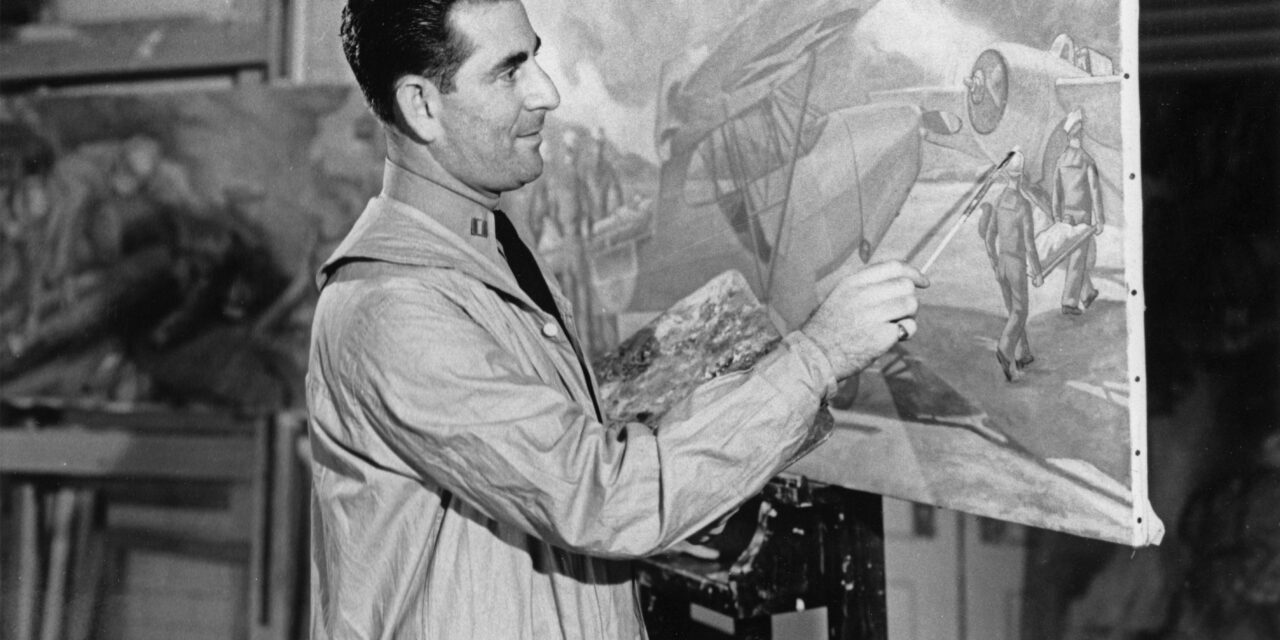
While “The Migration Series” remains his most iconic work, Lawrence embarked on numerous other significant series throughout his career. These included “The War Series” (1947), which depicted his experiences as a member of the U.S. Coast Guard during World War II, offering a stark portrayal of military life and the continued presence of racial segregation even within the armed forces. Other notable series explored historical figures such as Toussaint L’Ouverture, the leader of the Haitian Revolution, and John Brown, the abolitionist. These works underscored Lawrence’s ongoing commitment to highlighting stories of resistance, struggle, and heroism within the African diaspora.
He also explored more universal themes, such as the struggles of everyday life, education, and the dignity of labour. His later works often focused on the civil rights movement, depicting iconic events and figures with the same narrative power and emotional resonance that characterized his earlier work. Throughout his career, Lawrence remained committed to depicting the human condition through the lens of the African American experience, believing that these stories were essential to a comprehensive understanding of American identity.
Teaching, Recognition, and Legacy
Beyond his prolific artistic output, Jacob Lawrence was also a dedicated educator and a revered figure within the art world. He held teaching positions at prestigious institutions, including Black Mountain College and the University of Washington, where he became a Professor of Art. Through his teaching, he influenced countless young artists, instilling in them not only technical skills but also a sense of purpose and a commitment to art as a means of communication and social engagement.
Lawrence received numerous accolades and honours throughout his life, including the National Medal of Arts in 1990, the highest honour bestowed upon artists by the U.S. government. His work was exhibited extensively in major museums and galleries around the world, solidifying his position as one of the most important American artists of the 20th century. He was the first African American artist to be represented by a major New York gallery, and his consistent success paved the way for future generations of Black artists.
Jacob Lawrence passed away in 2000, leaving behind an extraordinary legacy. His art continues to speak volumes about the struggles and triumphs of African Americans, about the enduring fight for justice, and about the power of art to illuminate history and inspire change. His commitment to narrative, his bold use of colour and form, and his unwavering dedication to depicting the human experience have left an indelible mark on the landscape of modern art.
The Enduring Relevance of Lawrence’s Vision
More than two decades after his passing, Jacob Lawrence’s art remains profoundly relevant in the 21st century. His themes of migration, identity, social justice, and the resilience of the human spirit resonate deeply in a world still grappling with complex issues of race, inequality, and displacement.
A Voice for the Marginalized
Lawrence’s work gave a powerful voice to those who had historically been marginalized and silenced. By meticulously documenting the experiences of African Americans, he ensured that their narratives became an undeniable part of the broader American story. In an era where discussions around systemic racism and historical injustices continue to be at the forefront, his unflinching portrayals offer crucial historical context and serve as a reminder of the ongoing struggle for equity and recognition. His ability to distill complex historical events into compelling visual narratives makes his work an invaluable educational tool, bridging gaps in understanding and fostering empathy.
Artistic Innovation and Influence
Artistically, Lawrence’s innovative approach to narrative series and his distinctive modernist style have influenced generations of artists. His ability to fuse historical research with artistic expression, creating works that are both aesthetically compelling and historically significant, continues to inspire contemporary artists working across various mediums. He proved that art could be both beautiful and purposeful, that it could challenge conventions while remaining deeply rooted in the human experience. His legacy extends to the current movements that seek to reclaim and celebrate diverse narratives within art and history.
The enduring power of Jacob Lawrence’s art lies in its unwavering commitment to truth and its profound belief in the dignity of all people. His life story, from the vibrant streets of Harlem to the hallowed halls of art museums, is a testament to the transformative power of art and the enduring spirit of an artist who painted not just what he saw, but what he knew to be true. His works serve as powerful reminders of where we have come from and continue to guide us as we navigate the complexities of our present and future.
FAQs
Who was Jacob Lawrence?
Jacob Lawrence was an influential African American painter, born on September 7, 1917, in Atlantic City, New Jersey. He is best known for his vivid, narrative paintings that depict the African American experience, particularly the Great Migration, where many African Americans moved from the rural South to urban areas in the North.
What are some notable works by Jacob Lawrence?
Some of Jacob Lawrence’s most notable works include the “Migration Series,” which consists of 60 panels illustrating the journey of African Americans during the Great Migration. Other significant works include “The Builders” and “The Life of Harriet Tubman,” which showcase his unique style and storytelling ability through art.
What artistic style did Jacob Lawrence use?
Jacob Lawrence is known for his distinctive style that combines bold colours, geometric shapes, and dynamic compositions. His work often features flat, simplified forms and a strong sense of rhythm, which reflects his background in both painting and storytelling.
What impact did Jacob Lawrence have on the art world?
Jacob Lawrence had a profound impact on the art world by bringing attention to African American history and culture through his art. He was one of the first African American artists to gain national recognition, and his work has inspired countless artists and movements focused on social justice and representation in the arts.
When did Jacob Lawrence pass away?
Jacob Lawrence passed away on June 9, 2000, in Seattle, Washington. His legacy continues to influence contemporary artists and is celebrated through various exhibitions and retrospectives of his work.