Alfred Sisley was born on October 30, 1839, in Paris, France, to a British father and a French mother. This bicultural background would later influence his artistic sensibilities, as he navigated the complexities of identity and belonging throughout his life. His family moved to London when he was just a child, where he spent a significant portion of his formative years. It was in this vibrant city that Sisley was exposed to the rich tapestry of art and culture that would shape his future career. He returned to Paris in 1857, where he began to immerse himself in the burgeoning art scene, attending the prestigious Lycée Louis-le-Grand and later enrolling at the École des Beaux-Arts.
Sisley’s education was marked by a growing fascination with painting, particularly landscape art. He studied under notable artists such as Camille Corot and Charles Gleyre, who encouraged his exploration of light and colour. It was during this period that he developed a keen interest in plein air painting, a technique that involved working outdoors to capture the natural world directly. This approach would become a hallmark of his style, allowing him to convey the ephemeral qualities of light and atmosphere in his work. Despite his formal training, Sisley often felt overshadowed by his contemporaries, which would later fuel his determination to carve out a distinct artistic identity.
Alfred Sisley, a prominent figure in the Impressionist movement, is renowned for his captivating landscapes that beautifully capture the essence of nature. His life story is intricately woven with themes of perseverance and artistic dedication, which can be further explored in a related article that delves into the broader context of artistic narratives. For those interested in understanding the influences and experiences that shaped artists like Sisley, I recommend reading this insightful piece at Artistic Narratives.
Influences and Inspirations
Sisley’s artistic journey was profoundly influenced by the natural beauty surrounding him, particularly the landscapes of the French countryside. The serene rivers, lush fields, and tranquil skies of places like the Seine Valley became his primary subjects. His admiration for the works of earlier landscape painters, such as John Constable and J.M.W. Turner, also played a significant role in shaping his artistic vision. The way these artists captured the interplay of light and atmosphere resonated deeply with Sisley, inspiring him to explore similar themes in his own work.
Moreover, Sisley was significantly influenced by the burgeoning Impressionist movement, which sought to break away from traditional artistic conventions. The emphasis on capturing fleeting moments and the effects of light in everyday scenes aligned perfectly with Sisley’s own artistic inclinations. He found camaraderie with fellow Impressionists like Claude Monet and Pierre-Auguste Renoir, who shared his passion for depicting the beauty of nature. This collective spirit of experimentation and innovation provided Sisley with a supportive environment in which to develop his unique style.
The Impressionist Movement
The Impressionist movement emerged in the late 19th century as a radical departure from the established norms of academic painting. Artists sought to capture the immediacy of their experiences, often working en plein air to depict scenes of everyday life with spontaneity and vibrancy. Sisley was an integral part of this movement, contributing significantly to its evolution through his distinctive approach to landscape painting. His works often featured soft brushstrokes and a delicate palette that conveyed the transient qualities of light and atmosphere.
Sisley participated in several Impressionist exhibitions, where he showcased his innovative techniques alongside other prominent artists. His paintings often depicted idyllic rural scenes, reflecting a deep appreciation for nature’s beauty. Unlike some of his contemporaries who ventured into urban themes, Sisley remained devoted to landscapes, capturing the essence of the French countryside with remarkable sensitivity. His commitment to this subject matter not only defined his artistic identity but also solidified his place within the Impressionist canon.
Sisley’s Style and Techniques
Alfred Sisley’s style is characterised by a harmonious blend of colour and light, achieved through his masterful use of brushwork and composition. He employed a technique known as “broken colour,” where he applied small strokes of pure colour side by side rather than blending them on the palette. This method allowed him to create vibrant landscapes that shimmered with life and movement. The interplay of light across water surfaces or through foliage became a signature element of his work, evoking a sense of immediacy and atmosphere.
In addition to his innovative brushwork, Sisley’s compositions often featured a sense of balance and tranquillity. He had an innate ability to arrange elements within his paintings in a way that drew the viewer’s eye through the landscape. His use of perspective created depth, inviting observers to immerse themselves in the serene beauty of his scenes. Whether depicting a quiet riverbank or a sun-drenched field, Sisley’s attention to detail and mastery of light transformed ordinary moments into extraordinary visual experiences.
Alfred Sisley, a prominent figure in the Impressionist movement, is celebrated for his exquisite landscapes that capture the essence of nature with remarkable sensitivity. His life story is intricately woven with the evolution of his artistic style, reflecting the changing times in which he lived. For those interested in exploring the techniques employed by artists like Sisley, a fascinating article on the versatility of acrylic painting can be found here, which discusses how various surfaces can influence the final outcome of a piece. This connection between materials and artistry highlights the innovative spirit that Sisley embodied throughout his career.
Relationships and Personal Life
Sisley’s personal life was marked by both joy and hardship, particularly in his relationships with family and friends. He maintained close ties with fellow artists within the Impressionist circle, forming deep bonds with figures such as Monet and Renoir. These friendships provided him with both emotional support and artistic inspiration throughout his career. However, Sisley’s romantic life was less stable; he had a long-term relationship with a woman named Eugénie Lescouezec, with whom he had three children. Despite their enduring partnership, financial struggles often strained their relationship.
The challenges Sisley faced in his personal life were compounded by the socio-political climate of France during his lifetime. The Franco-Prussian War (1870-1871) disrupted many artists’ lives, including Sisley’s, who found himself grappling with uncertainty and loss during this tumultuous period. Nevertheless, he remained committed to his art, using it as an outlet for expression amidst personal turmoil. His relationships with fellow artists provided him with a sense of community that helped him navigate these challenges while remaining dedicated to his craft.
Alfred Sisley, a prominent figure in the Impressionist movement, is celebrated for his exquisite landscapes that capture the essence of nature with remarkable sensitivity. His life story is intertwined with the evolution of this artistic style, showcasing his dedication to plein air painting and his unique approach to light and colour. For those interested in exploring the techniques that underpin such captivating works, a related article offers valuable insights into the art of acrylic painting, which has become a popular medium for many contemporary artists. You can read more about it here.
Struggles and Setbacks
Despite his undeniable talent, Sisley faced numerous struggles throughout his career that hindered his path to recognition. Financial instability plagued him for much of his life; unlike some of his contemporaries who enjoyed greater commercial success, Sisley often struggled to sell his works. This lack of financial security created significant stress for him and his family, forcing him to rely on the support of friends and fellow artists during difficult times.
Additionally, Sisley’s commitment to landscape painting set him apart from other Impressionists who explored more diverse subject matter. While this dedication allowed him to develop a unique style, it also limited his appeal in an art market that increasingly favoured more varied themes. As a result, Sisley often felt overshadowed by more commercially successful peers like Monet and Degas. Despite these setbacks, he remained resolute in his artistic vision, continuing to produce remarkable works that would eventually earn him posthumous recognition.
Recognition and Success
It was not until later in life that Alfred Sisley began to receive the recognition he so richly deserved. His participation in Impressionist exhibitions gradually garnered attention from critics and collectors alike. The beauty and sensitivity of his landscapes began to resonate with audiences who appreciated the emotional depth conveyed through his brushwork and colour choices. By the late 1880s, Sisley’s work was being exhibited more widely across Europe, leading to increased sales and commissions.
Despite this newfound recognition, Sisley remained humble about his achievements. He continued to focus on perfecting his craft rather than seeking fame or fortune. His dedication to capturing the essence of nature remained unwavering, even as he gained popularity within artistic circles. The late 19th century marked a turning point for Sisley; he became increasingly celebrated for his contributions to Impressionism, solidifying his legacy as one of its foremost landscape painters.
Travels and Landscapes
Throughout his life, Alfred Sisley travelled extensively across France and beyond in search of inspiring landscapes to paint. His journeys took him from the banks of the Seine River to the picturesque villages of Normandy and Brittany. Each location offered unique opportunities for exploration and artistic expression; Sisley’s keen eye for detail allowed him to capture the distinct character of each setting with remarkable precision.
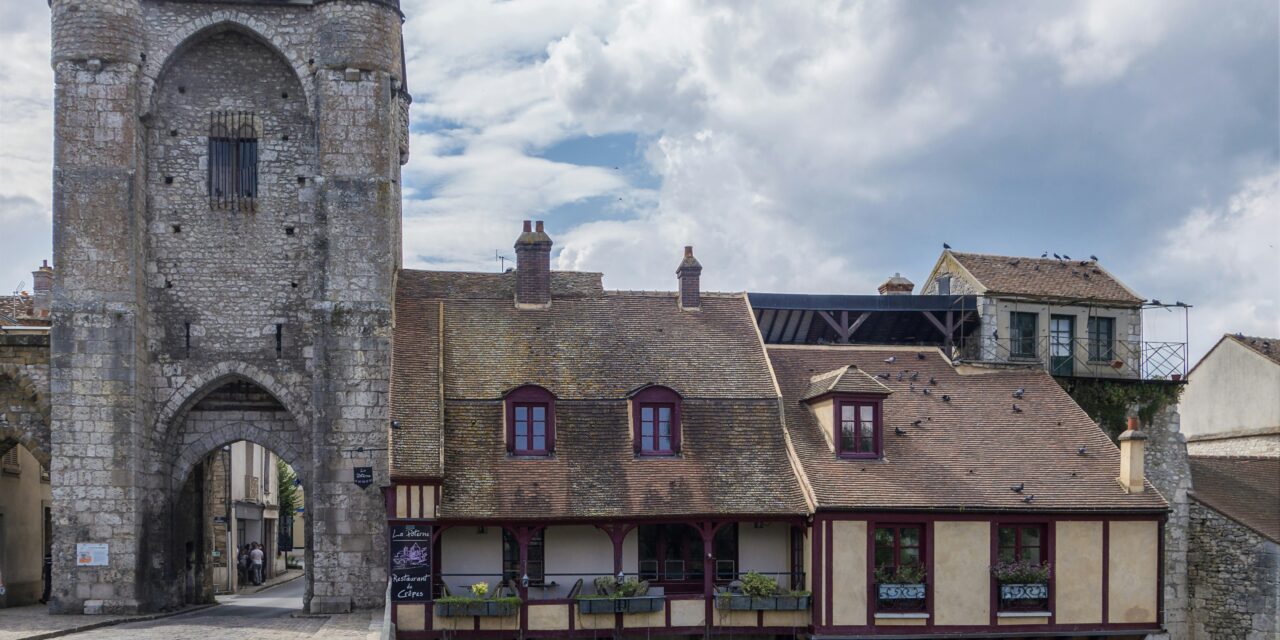
One notable destination for Sisley was the town of Moret-sur-Loing, where he found an abundance of natural beauty that inspired many of his most celebrated works. The interplay between water and light became a recurring theme in this idyllic locale, allowing him to experiment with reflections and atmospheric effects. His travels not only enriched his artistic repertoire but also deepened his appreciation for the diverse landscapes that defined France’s rural charm.
Later Years and Legacy
In the final years of Alfred Sisley’s life, he continued to paint prolifically despite ongoing financial difficulties and health challenges. His dedication to capturing the beauty of nature never waned; even as he faced adversity, he remained committed to his craft until the end. Tragically, Sisley passed away on January 29, 1899, in Moret-sur-Loing after battling cancer.
Sisley’s legacy is one marked by resilience and artistic integrity. Although he did not achieve widespread fame during his lifetime, subsequent generations have come to recognise him as one of the leading figures of Impressionism. His ability to convey emotion through landscape painting has left an indelible mark on art history; today, many consider him one of the finest landscape painters of the 19th century.
Sisley’s Impact on Art
Alfred Sisley’s impact on art extends far beyond his own body of work; he played an essential role in shaping the trajectory of landscape painting within the Impressionist movement. His innovative techniques influenced countless artists who followed in his footsteps, inspiring them to explore new ways of representing nature through colour and light. The emotional resonance found in Sisley’s landscapes continues to captivate audiences today.
Moreover, Sisley’s commitment to capturing fleeting moments within nature has paved the way for future movements such as Post-Impressionism and even Modernism. Artists like Vincent van Gogh drew inspiration from Sisley’s exploration of colour dynamics and atmospheric effects in their own works. As art continues to evolve over time, Sisley’s contributions remain relevant; they serve as a reminder of the power inherent in observing and interpreting the world around us.
Remembering Alfred Sisley
Alfred Sisley’s legacy endures through exhibitions showcasing his remarkable landscapes in galleries around the world. His works are celebrated not only for their technical brilliance but also for their emotional depth; they invite viewers into serene moments captured amidst nature’s beauty. As we reflect on Sisley’s life and contributions to art history, we are reminded of the importance of perseverance in pursuing one’s passion despite adversity.
In remembering Alfred Sisley, we honour not only an exceptional artist but also a man whose dedication to capturing the essence of nature continues to inspire generations of artists today. His ability to convey emotion through landscape painting serves as a testament to the enduring power of art—a reminder that beauty can be found even amidst life’s challenges.
FAQs
Who was Alfred Sisley?
Alfred Sisley was a French Impressionist painter, born in Paris in 1839. He is known for his landscapes and outdoor scenes, and is considered one of the leading figures of the Impressionist movement.
What were some of Alfred Sisley’s most famous works?
Some of Alfred Sisley’s most famous works include “The Seine at Bougival,” “Snow at Louveciennes,” and “Flood at Port-Marly.” His paintings often depicted scenes of the countryside and rivers, capturing the effects of light and atmosphere.
What influenced Alfred Sisley’s artistic style?
Alfred Sisley was heavily influenced by the Impressionist movement, particularly the works of Claude Monet and Pierre-Auguste Renoir. He was also inspired by the landscapes of the French countryside, and often painted en plein air, capturing the natural light and colours of his surroundings.
What was Alfred Sisley’s personal life like?
Alfred Sisley faced financial struggles throughout his life, as his paintings did not sell well during his lifetime. He lived in poverty and was supported by his family and friends. He also faced personal tragedy, losing his wife and one of his children.
What is Alfred Sisley’s legacy in the art world?
Alfred Sisley’s contributions to the Impressionist movement have left a lasting impact on the art world. His paintings are celebrated for their use of light and colour, and he is remembered as a key figure in the development of modern art. Today, his works are held in major museums and collections around the world.